Welcome to Seed Story
There’s a moment in every gardener’s story when a seed refuses to sprout, a plant wilts without warning, or the soil you swore was perfect turns out to be the problem. You check the instructions, double-check the sunlight, and still—nothing grows as it should.
This is where the real work begins.
Seed Story is for the rest of that story. Whether you’re a beginner with a windowsill and a handful of basil seeds or a seasoned grower troubleshooting a failed tomato crop, this is where you’ll find the answers that matter.
No vague advice, no assumptions about your soil or your climate. Just the lessons learned from the dirt up.
Our story
The first time Valerie Alvarado planted a seed, it didn’t grow. Not because she did anything wrong, but because the soil was too dense, the light too weak, and the instructions she’d followed were written for a different kind of earth.
She was twelve, standing in her grandpa’s backyard in Arizona, holding a packet of marigold seeds and wondering why nothing was happening.
That failure didn’t stop her. Over the years, she collected notes from every botched transplant, every overwatered seedling, and every plant that outlived its welcome.
The patterns started to emerge: the way cacti needed sunlight but hated humidity, how tomatoes thrived in heat but despised being moved once they set fruit, and the quiet art of reading the soil without a test kit.
The turning point came at 3:17 PM on a Tuesday in March, in a rented greenhouse in New Mexico. Valerie was adjusting the drip irrigation for a batch of heirloom beans when she realized something: the mistakes weren’t just hers. They were everyone’s.
The internet was full of gardening advice, but almost none of it accounted for the real variables—your tap water’s pH, your balcony’s afternoon shade, the way your dog digs up your compost pile at midnight. That’s when Seed Story became more than a notebook.
It became a place to document the truth.
What we stand for
Seed Story exists to cut through the gardening myths and give you the information you actually need. No fluff, no guesswork, and no pretending that every garden is the same.
What you will always get here
- Practical advice for the conditions you’re working with—not someone else’s perfect setup.
- Troubleshooting that starts with the obvious (like checking your water temperature) before moving to the obscure.
- Lessons from real gardens, including the ones that failed and why they mattered.
- A no-nonsense approach to seasons, soil, and the plants that refuse to behave.
Meet the team
Behind Seed Story is a small group of gardeners who’ve spent years learning what works—and what doesn’t—in soil, sunlight, and the spaces between. We’re not scientists, not master growers, just people who’ve spent too much time wondering why their zucchini vines turned to powder or their peppers refused to ripen.
Our backgrounds range from urban balconies to family farms, but the questions we answer are the same: *Why isn’t this working?* and *How do I fix it?*
Valerie Alvarado
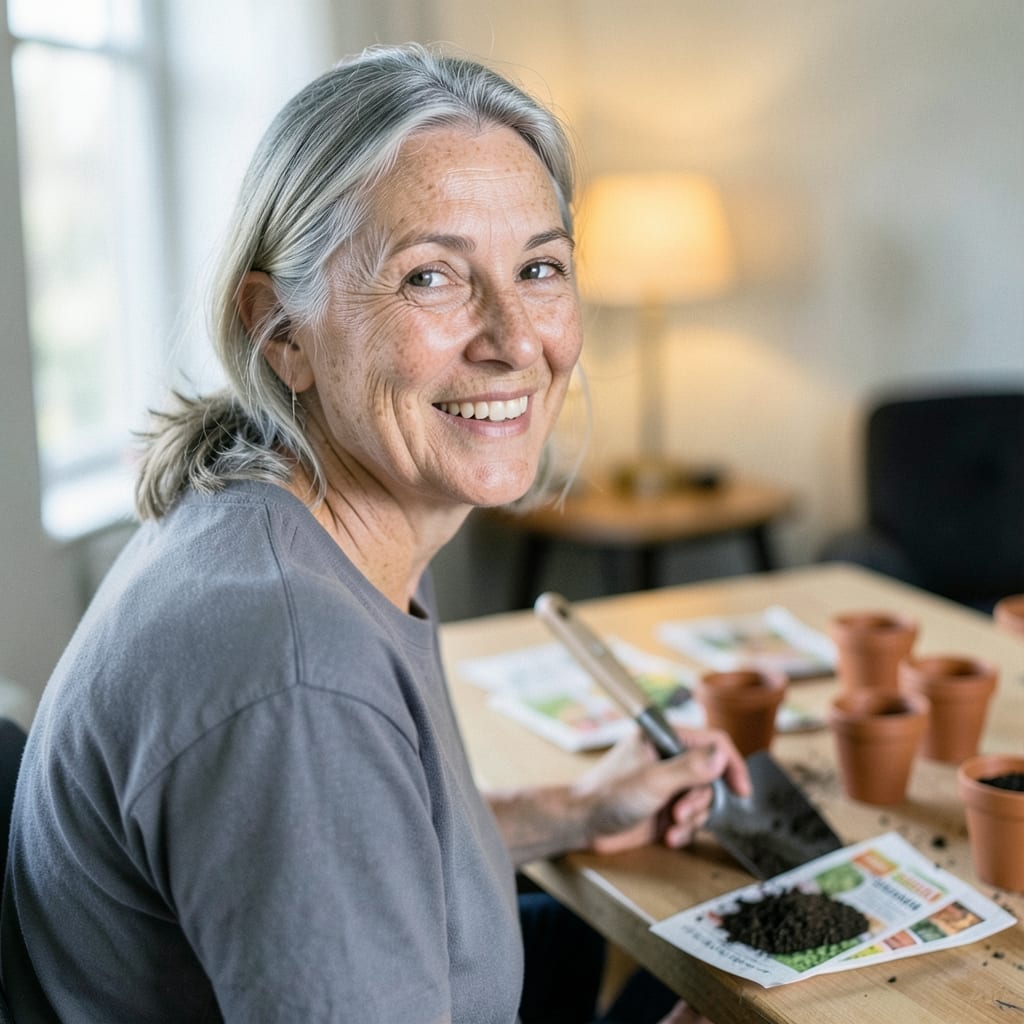
Valerie Alvarado is the founder and editor of Seed Story, and her work here is shaped by a lifetime of gardening mistakes.
She started with her grandpa’s tomato plants in Arizona, moved on to sneaking seeds from grocery store produce, and eventually turned her shoebox experiments into a system for diagnosing garden problems.
Her desk is always cluttered with seed packets, a magnifying glass, and at least three half-empty watering cans—one for acid-loving plants, one for succulents, and one she’s not sure what for yet.
She’s terrible at remembering to water her own houseplants but can spot a nutrient deficiency in a tomato leaf from across the room.
Before Seed Story, Valerie ran a small urban farming collective in Albuquerque, where she learned that the biggest gardening problems aren’t about the plants—they’re about the people, the tools, and the stubbornness of both.
She still keeps a journal of every garden failure, not to dwell, but to spot the next lesson.
I’d rather tell you why your basil kept bolting than pretend I’ve never had it happen myself. The best gardens grow from the dirt up—and from the mistakes down.
Valerie Alvarado
How we create our content
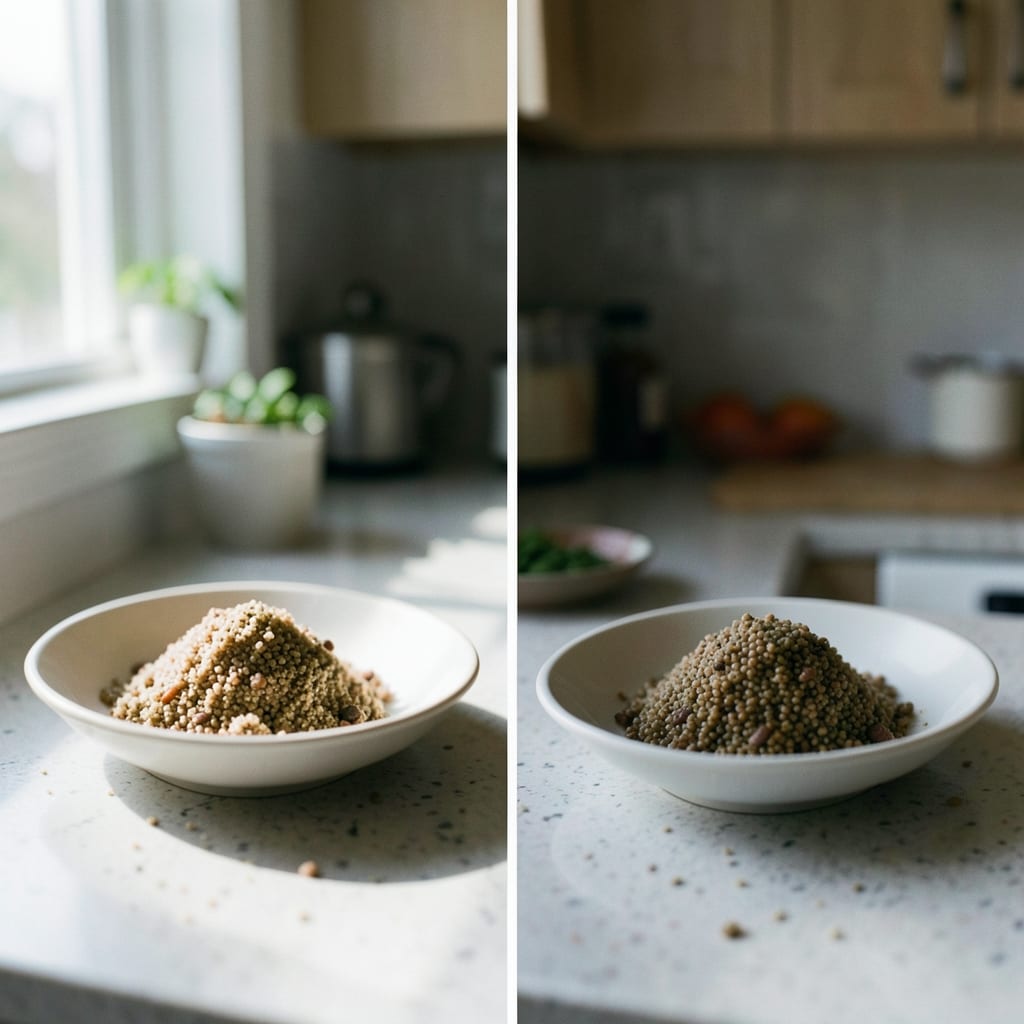
Every piece on Seed Story starts with a question someone asked—or one we wished we’d had before digging up another failed transplant. We don’t begin with a theory or a perfect garden; we start with the problem, the soil, and the tools you’re actually using.
Step 1: the diagnosis
The first step is never about the plant. It’s about the conditions.
We test soil pH with a cheap kit (not a lab report), measure sunlight with a phone app, and track water temperature for a full week—because the same tap water that works for your roses might kill your peppers.
If a seed won’t sprout, we check moisture levels, seed age, and whether the tray is buried under a layer of condensation. No assumption, no shortcut. Just the facts, as they appear in your garden.
Step 2: the fix
Once we know what’s wrong, we test solutions in real time. That might mean adjusting the watering schedule, swapping out the soil mix, or moving the plant to a different spot—even if it’s just rotating the pot to give roots even light.
We never stop at ‘this usually works’; we ask *why* it works here, and what happens if you skip a step. The goal isn’t a perfect garden. It’s a garden that tells you what’s happening—and how to change it.
Join our community
This site thrives on the questions you bring. Whether you’re wondering why your mint is taking over the garden, how to save your frost-bitten lettuce, or what to do with a sudden infestation of aphids, your problem is the start of the answer.
Others chime in with their own fixes, their past failures, and the one trick that finally worked for them. And if your question leads to a breakthrough, it might just become the next guide here—credited to you.
Let's connect
We love hearing about the gardens you’re nurturing, the plants that surprise you, and the lessons you’ve learned the hard way. Bring your questions, your triumphs, and your total failures to the contact page—we’re here to grow with you.
The guides are grouped by category: Advice, Aphids, Blooming, Companion Plants, Container Gardens and Diseases.