
Lawn
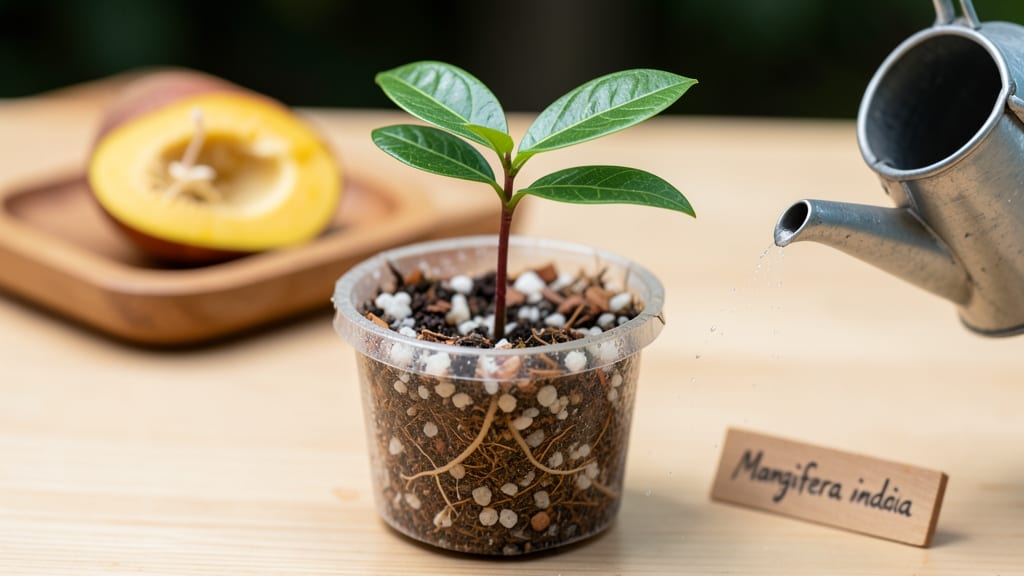
Growing a mango tree from the mango seed growth gives you a living piece of tropical paradise—even if your first sprouts take 30 days to appear. 🌱 The secret isn’t just patience; it’s mimicking the warm, humid conditions where mango seeds naturally germinate.
I’ve turned store-bought mango pits into thriving seedlings by following a few simple tricks that skip the months-long wait some gardeners face.
You’ll need just three supplies: a mango pit (fresh is best), a small pot with drainage, and a plastic bag to create humidity. No fancy tools or expensive soil—just what you already have.
The process starts with soaking the pit overnight, then planting it at a slight angle in moist soil. Within weeks, you’ll see a tiny shoot pushing through, and that’s when the real magic begins.
By the time your seedling reaches 6 inches tall, it’ll be ready for its first transplant into a bigger pot. With proper sunlight (at least 6 hours daily) and consistent watering (keep soil damp but not soggy), your mango tree will grow 2-3 feet in its first year.
The best part? Even if growth slows in cooler months, the roots keep building strength for future fruit production.
This method works best in USDA Zones 9-11, but with a little creativity (like overwintering indoors), you can grow one almost anywhere. The first flowers might take 3-5 years, but the journey is what makes it rewarding. Let’s get those seeds sprouting!
📚 In This Guide
- What you need
- Instructions
- Tips and common mistakes
- Wrapping up and next steps
What you need
- ● Mango seeds: 3–5 fresh, plump seeds (harvested from ripe, organic mangoes for best results). Pro tip: 💡 Avoid seeds from store-bought mangoes treated with fungicides.
- ● Small pots or containers: 3–5 (4–6 inches deep) with drainage holes. Options: Biodegradable peat pots, plastic cups, or nursery pots.
- ● Well-draining potting mix: 1–2 bags (look for a blend labeled "seed starting mix" or "cactus/succulent mix" for aeration).
- ● Watering can or spray bottle: With a fine mist nozzle for gentle hydration.
- ○ Plastic wrap or clear lid: To create a humidity dome (optional but helpful for germination).
- ○ Heat source (optional): A seedling heat mat (70–85°F) or a sunny windowsill (south-facing is ideal).
- ● Fertilizer (for later stages): Balanced liquid fertilizer (e.g., 10-10-10) or compost tea, only after sprouts emerge.
- ● Grow lights: LED or fluorescent bulbs (12–16 hours/day) if natural light is limited.
- ● Humidity tray: A shallow tray with pebbles and water to boost moisture levels.
- ● Label markers: To track seed varieties or planting dates.
- ● Pruning shears: Small, sharp pair for trimming future seedlings.
Step-by-step mango seed germination for rapid growth
Here’s how to coax those stubborn mango seeds into sprouts in under a month—no fancy equipment needed.
🌱 Step 1: Extract and Prepare the Seed
Start by splitting open a ripe mango seed with a sharp knife—cut along the flat side to reveal the hard, brown shell inside. The seed itself is the large, oval nut you’ll work with. I like to soak it in warm water for 24 hours to soften the outer shell slightly, which helps speed up germination. Don’t skip this step; dry seeds can take weeks longer to sprout.
After soaking, gently scrape away the outer fibrous layer with your fingernail or a spoon. You’re aiming to expose the smooth, tan seed underneath. This isn’t just about speed—it’s about giving the seed the best chance to break through quickly. Place the cleaned seed on a paper towel and let it dry slightly for 1-2 hours before moving to the next phase.
💧 Step 2: Create a Moisture-Retentive Germination Setup
Fill a small container—like a 4-inch plastic pot or even a repurposed yogurt cup—with moistened sphagnum moss or a mix of 50% perlite and 50% peat moss. The medium should feel damp like a wrung-out sponge, not soggy. Press the cleaned mango seed ½ inch deep into the mix, with the pointed end facing downward. This orientation mimics its natural growth position and helps prevent rot.
Cover the container with plastic wrap or a clear lid to trap humidity. Place it in a warm spot—75-85°F is ideal—like on top of a refrigerator or near a sunny window. Check daily for condensation on the plastic; if it’s dry, mist lightly with water. You’ll see the first signs of life in 7-14 days as a tiny white root emerges.
☀️ Step 3: Transplant to Soil When Roots Appear
Once the seedling develops a 1-inch root and a cotyledon (the first two small leaves), it’s time to move it to soil. Use a 4-inch pot filled with a well-draining potting mix—mango seedlings hate soggy roots. Gently lift the seedling from the moss, keeping the root intact, and plant it 1 inch deep in the soil. Press lightly around the base to secure it.
Place the pot in bright, indirect light for the first week to avoid shocking the tender seedling. After that, introduce 4-6 hours of morning sun daily, gradually increasing exposure. You’ll notice the first true leaves—larger and more defined than the cotyledons—emerge in 2-3 weeks. This is your cue to start fertilizing lightly with a balanced liquid fertilizer diluted to half strength.
⏰ Step 4: Maintain Ideal Conditions for Fast Growth
Water the seedling when the top inch of soil feels dry, but avoid letting it sit in water. Mango seedlings thrive in 70-85°F temperatures and 60-70% humidity. If your home runs dry, group seedlings together or use a humidity tray to mimic their tropical origins. Rotate the pot weekly so the seedling grows straight toward the light, not lopsided.
By 30 days, you should have a sturdy 6-inch seedling with several true leaves. Here’s the thing—patience is key, but so is consistency. If growth stalls, check for yellowing leaves (a sign of overwatering) or leggy stems (a cry for more light). Adjust immediately, and you’ll keep that sprout on track for transplanting outdoors in a few months.
Tips & tricks for perfect mango seed germination
Here's what nobody tells you about speeding up those stubborn mango seeds—these tricks cut your wait time by half!
The Soak Secret: That 24-hour soak isn't just about softening the shell—it's a hydration jumpstart. Use lukewarm water (not hot) to avoid shocking the seed, and change the water halfway through if it gets cloudy. I've found that adding a pinch of cinnamon to the soak water can prevent fungal growth while the seed rests.
Medium Matters: The 50% perlite/50% peat mix is ideal because it mimics tropical forest conditions—perlite prevents compaction while peat holds moisture. If you can't find sphagnum moss, try coconut coir as a substitute; it retains moisture better than regular potting soil. The key is keeping that medium consistently damp like a wrung-out sponge—never soggy.
Lighting Strategy: Those first 2-3 weeks with bright indirect light are critical. Place your seedling near an east-facing window where it gets gentle morning sun. If you're using artificial grow lights, position them 6-12 inches above the seedling and keep them on for 12-14 hours daily. The goal is to prevent leggy growth while avoiding leaf scorch.
Transplant Timing: Wait until you see that 1-inch root AND the cotyledons have unfurled slightly before transplanting—this usually happens around day 10-12. When you move it to soil, water thoroughly first to help settle the root ball. The 1-inch depth planting ensures stability while allowing room for root expansion.
Pro Tips for Mango Seed Growth
- Here's what nobody tells you about speeding up those stubborn mango seeds—these tricks cut your wait time by half!
- The Soak Secret: That 24-hour soak isn't just about softening the shell—it's a hydration jumpstart.
- Medium Matters: The 50% perlite/50% peat mix is ideal because it mimics tropical forest conditions—perlite prevents compaction while peat holds moisture.
Frequently asked questions
Got questions about growing mango seeds? You’re not alone—many gardeners wonder how to speed up germination, troubleshoot issues, or even repurpose seeds that don’t sprout. Below, we’ve answered the most common queries to help you navigate mango seed growth like a pro!
How long does it really take for a mango seed to germinate?
While the article promises 30 days, germination can take anywhere from 2 weeks to 3 months, depending on conditions. Seeds in warm, moist soil (75–85°F) typically sprout faster. If yours takes longer, stay patient—some seeds are stubborn! Pro tip: Soak seeds overnight before planting to kickstart the process.
What if my mango seed moldy or rotten?
Mold or rot usually means too much moisture or poor drainage. If you spot fuzzy growth or a foul smell, remove the seed immediately. To prevent this:
- Use sterile, well-draining soil (mix potting soil with perlite).
- Avoid overwatering—keep soil consistently moist, not soggy.
- Repot if the container lacks drainage holes.
If the seed is already rotten, try a new one—some seeds just don’t make it!
Can I grow a mango tree from a store-bought mango seed?
Store-bought seeds work fine, but avoid hybrid or grafted varieties (like those from grocery stores)—they may not produce true-to-type fruit. For better success, use seeds from organic, heirloom, or locally grown mangos. If you’re unsure, ask the seller or save seeds from a homegrown mango!
What’s the best temperature for germinating mango seeds?
Mango seeds thrive in warmth. Ideal temperatures are:
Stage
Temperature Range
Germination
75–85°F (24–29°C)
Seedling Growth
65–80°F (18–27°C)
Use a heat mat or place the pot in a sunny window if your home runs cooler. Avoid cold drafts—mango seeds hate the chill!
What do I do if my seedling grows but stays small?
Slow growth often means lack of light or nutrients. Try these fixes:
- Move to a sunnier spot (6+ hours of light daily).
- Fertilize lightly with a balanced, diluted fertilizer (like 10-10-10) every 4–6 weeks.
- Check roots—if crowded, repot into a slightly larger container.
Patience is key—mango trees grow slowly at first but reward you with lush foliage over time!
Wrapping up and next steps
Growing a mango tree from seed is a rewarding journey that blends patience with the joy of nurturing life!
With the right mango seed growth techniques—like proper soaking, warm conditions, and consistent moisture—you can watch tiny sprouts transform into thriving seedlings in just 30 days. 🌱 Whether you’re dreaming of a backyard orchard or a unique houseplant, your efforts will soon bear fruit (literally!).
Ready to take the next step? Plant your sprouted seed in a pot with well-draining soil, give it sunlight, and keep an eye on its progress. Who knows? You might just grow the start of a tropical paradise right in your own home! 🌴