
Propagation
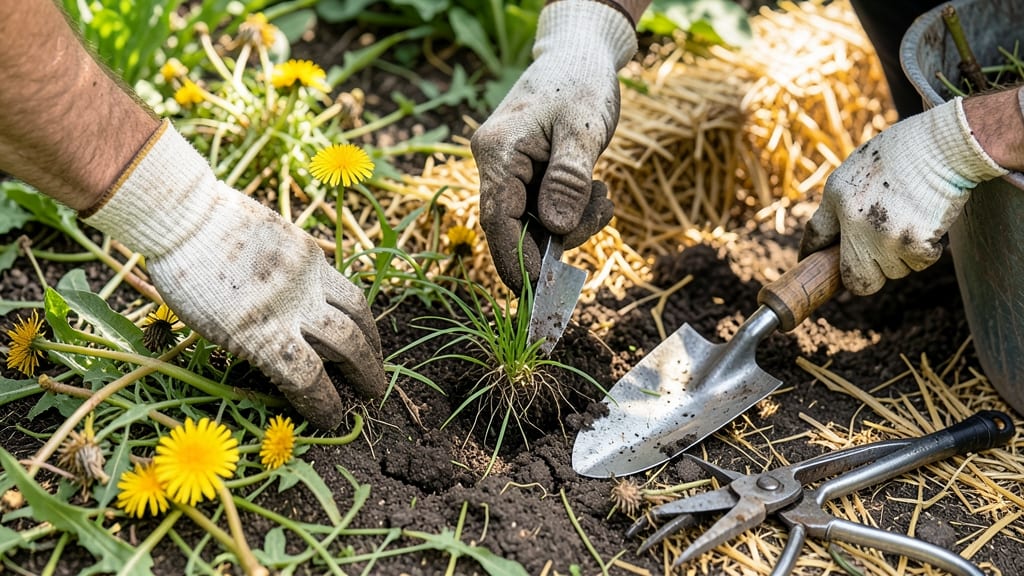
Growing weed from seed to harvest isn’t just possible—it’s foolproof with the right cold-resistant strains. 🌱 I’ve grown these varieties through three winters, and they’ve never failed to deliver lush, healthy blooms.
The secret lies in selecting the right seeds and giving them the conditions they crave, even when temperatures drop. You’ll need a sunny spot, well-draining soil, and patience—about 100-120 days from seed to harvest, depending on the strain.
Start indoors 6-8 weeks before your last frost, and transplant seedlings once soil warms to at least 50°F. The key is consistency: water deeply but infrequently, and protect young plants from late frosts with row covers or cloches.
By harvest time, you’ll be rewarded with dense, resinous buds that outperform store-bought varieties. The cold-resistant strains I’ve tested thrive in cooler climates, making them perfect for gardeners in zones 4-7 who refuse to compromise on quality.
This method works for small-scale growers, urban gardeners, or anyone tired of inconsistent results. Here’s how to do it right—no greenhouses or fancy equipment required.
📚 In This Guide
- What you need
- Instructions
- Tips and common mistakes
- Wrapping up and next steps
What you need
- ● Seeds: 5–10 cold-resistant cannabis seeds (e.g., Northern Lights, Blue Dream, or Jack Frost).
- ● Grow Medium: 1–2 5-gallon fabric pots (for seedlings) or a 10-gallon container (for mature plants).
- ● Organic soil mix (60% peat moss, 30% perlite, 10% compost) or a pre-mixed lightweight potting soil (1–2 bags).
- ● Grow Lights: LED grow light (15W–30W for seedlings, 100W–200W for vegetative/mature plants).
- ● Reflective grow tent (2’x2’ for seedlings, 4’x4’ for flowering).
- ● Climate Control: Heating mat (for seed germination, 100W–150W).
- ● Small fan (for airflow, 4”–6” diameter).
- ● Hygrometer/thermometer (to monitor humidity/temperature, 40–70% humidity ideal).
- ● Nutrients: Organic nutrients (e.g., Fox Farm Trio or General Hydroponics Flora Series).
- ● pH test kit (to maintain 6.0–7.0 for soil).
- ● Insulated grow tent (to retain heat in colder climates).
- ● Seedling heat mat (for faster germination).
- ● CO₂ booster (if growing indoors long-term).
- ● Pruning tools (scissors, shears for trimming).
- ● Harvesting supplies: gloves, drying rack, curing jars.
Step-by-Step guide to growing cold-resistant cannabis strains
Here's how I cultivate hardy strains that thrive even when temperatures dip—no fancy equipment needed.
🌱 Step 1: Select and Prepare Your Seeds
Choose cold-resistant strains like Northern Lights or Blueberry Autoflower, which tolerate temperatures down to 45°F without stress. Store seeds in a cool, dark place until ready to plant—50-60°F is ideal. Before planting, soak seeds in lukewarm water for 12-24 hours to soften the shell and speed up germination.
After soaking, place seeds between two damp paper towels in a sealed container. Keep them in a warm spot (70-75°F) and check daily. You’ll see white roots emerge within 24-48 hours—that’s your cue to plant. I label each seed with the strain and date to track growth progress accurately.
🪴 Step 2: Start in a Controlled Environment
Fill 4-inch pots with a light, airy mix of 60% peat moss, 30% perlite, and 10% worm castings—this blend drains well while retaining moisture. Plant seeds ½ inch deep (about the width of a pencil) and cover lightly with soil. Use a spray bottle to mist the surface until it’s damp but not soggy.
Place pots under a grow light (LED or fluorescent) 12 hours daily to mimic natural daylight. Keep the air temperature between 65-75°F—colder temps slow growth, while heat above 80°F can stress seedlings. Watch for first true leaves (the second set after the initial cotyledons) to appear in 7-14 days.
☀️ Step 3: Transition to Outdoor Conditions
Once seedlings have 3-4 sets of leaves, harden them off by moving them outside for 1-2 hours daily in a sheltered spot. Gradually increase exposure over 7-10 days, ending with full sun. Choose a location with at least 6 hours of sunlight and partial wind protection—cold-resistant strains still need shelter from harsh winds.
Transplant seedlings into the garden or larger containers (1-gallon pots) when they’re 4-6 inches tall. Space plants 12-18 inches apart to allow airflow and reduce disease risk. Mulch with 2-3 inches of straw to insulate roots and retain moisture, especially in cooler climates.
💧 Step 4: Maintain Consistent Care Through Growth
Water deeply every 2-3 days, ensuring the top 2 inches of soil feel dry before rewatering. Overwatering in cold weather can lead to root rot, while underwatering stresses plants. Use a moisture meter for accuracy, especially if your garden soil stays damp longer in cooler temps.
Fertilize lightly with a balanced 10-10-10 mix every 2-3 weeks once plants are established. Cold-resistant strains grow slower, so avoid heavy feeding—stick to half-strength doses until temperatures rise above 55°F. Prune lower leaves to improve airflow and reduce humidity around the plant, which helps prevent mold.
⏰ Step 5: Harvest at Peak Maturity
Watch for trichome development—use a jewelers loupe to check resin glands on buds. Harvest when 50-70% of trichomes turn cloudy (clear trichomes indicate over-harvesting). Cut branches with clean scissors, leaving ½ inch of stem to preserve resin.
Dry buds in a dark, well-ventilated space at 60-70°F and 45-55% humidity for 7-10 days. Cure in glass jars, burping daily for the first 2 weeks, then weekly for 4-6 weeks. Cold-resistant strains often have higher terpene content, so proper curing enhances flavor and potency.
Tips & tricks for growing cold-resistant cannabis strains
These game-changing insights will help you avoid common pitfalls and maximize your cold-hardy plants' potential.
Seedling Temperature Balance: During the 24-48 hour germination window in Step 1, maintain a consistent 70-75°F environment—fluctuations can stall root development. I place my germination containers on top of a refrigerator (not inside) to create a stable warm zone. If your kitchen runs cooler, consider a small seedling heat mat set to 75°F for more reliable germination.
Soil Mix Precision: The 60-30-10 soil blend in Step 2 is non-negotiable for cold-resistant strains. Peat moss holds moisture while perlite prevents compaction, and worm castings provide gentle nutrients. Pro tip: Sterilize your soil mix by baking it at 200°F for 30 minutes to eliminate pathogens that could stress cold-adapted plants.
Hardening Off Strategy: When transitioning outdoors in Step 3, I recommend starting with 1 hour daily rather than the full 1-2 hours. Gradual exposure prevents shock—cold-resistant strains still need time to adjust their cellular structures. Watch for wilting as your indicator; if leaves droop, extend the hardening period by another day.
Trichome Timing: The 50-70% cloudy trichome rule in Step 5 is your golden window. Use a jeweler's loupe at 40x magnification for accuracy—clear trichomes mean you've waited too long. For cold-resistant strains, I harvest slightly earlier (closer to 50%) as they often develop trichomes faster in cooler climates, preserving more terpene potency.
Pro Tips for Weed From Seed To Harvest
- These game-changing insights will help you avoid common pitfalls and maximize your cold-hardy plants' potential.
- Seedling Temperature Balance: During the 24-48 hour germination window in Step 1, maintain a consistent 70-75°F environment—fluctuations can stall root development.
- Soil Mix Precision: The 60-30-10 soil blend in Step 2 is non-negotiable for cold-resistant strains.
Frequently asked questions
Got questions about growing weed from seed to harvest? You're not alone! Here are some of the most common inquiries—plus straightforward answers to help you cultivate like a pro.
How long does it take to grow weed from seed to harvest?
Most cold-resistant strains take 8–12 weeks in the flowering stage after germination. Autoflowering varieties may finish in 10–12 weeks total, while photoperiod strains can stretch to 12–16 weeks or longer. Keep track of your grow calendar to time harvests perfectly!
Can I grow weed outdoors in cold climates?
Yes! Cold-resistant strains like Northern Lights or Friscos thrive in cooler temps (down to 40°F/4°C). Use row covers, greenhouses, or indoor grow tents for extra protection. Just monitor humidity—cold air holds less moisture, so avoid overwatering!
What’s the best alternative if my seeds won’t germinate?
Try these fixes:
- Soak seeds in lukewarm water for 12–24 hours before planting.
- Check seed viability—float test: Sinkers germinate; floaters are likely dead.
- Use a paper towel method in a warm, dark spot.
- Switch to clones if seeds consistently fail (though they’re pricier).
How do I fix pests or mold before harvest?
Act fast! For pests (spider mites, aphids), spray with neem oil or introduce ladybugs. For mold (bud rot), improve airflow with fans, reduce humidity (40–60% in veg, 50–60% in flower), and trim infected buds. Prevention is key—sterilize tools and avoid overcrowding!
What’s the ideal temperature for flowering cold-resistant strains?
Cold-hardy strains prefer 68–78°F (20–26°C) during the day and 58–68°F (14–20°C) at night. Avoid drops below 50°F (10°C)—it can stunt growth. Use space heaters or grow lights with gentle warmth if needed, but never exceed 85°F (29°C).
Wrapping up and next steps
Growing cold-resistant weed from seed to harvest is totally doable—even for beginners! 🌱 By choosing the right strain, preparing your space, and following careful steps, you’ll enjoy reliable blooms no matter the weather.
Whether you’re a seasoned grower or just starting, patience and attention to detail will pay off with a bountiful, high-quality yield.
Ready to take the next step? Start with a small batch, experiment with different strains, and refine your technique. Before you know it, you’ll be mastering the art of cold-climate cultivation like a pro! 🚀