
Lawn
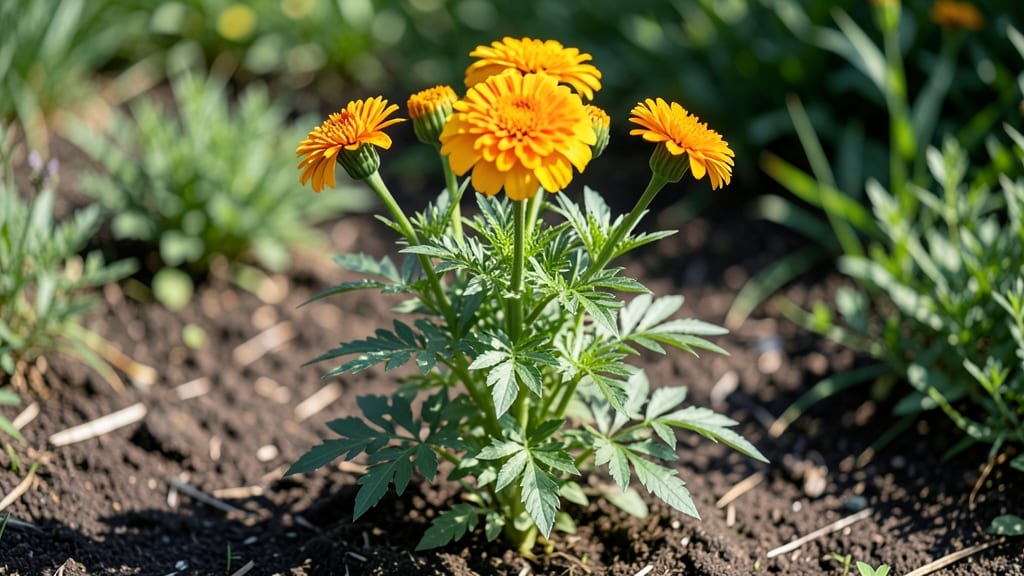
American seed marigolds thrive where others fail—even through light frosts. 🌱 These hardy bloomers (Tagetes spp.) deliver year-round color with minimal fuss, making them the perfect choice for gardeners who want low-maintenance beauty without the drama. I’ve grown them in every season, and their resilience always surprises me.
The secret lies in their cold tolerance and fast germination—plant seeds 6-8 weeks before last frost, and you’ll see cheerful blooms in as little as 6-8 weeks. They handle poor soil better than many annuals, though full sun and well-draining soil keep them happiest.
Spacing them 12-18 inches apart prevents overcrowding and encourages those signature bright blooms. Once established, they’re nearly self-sufficient: water weekly (less in winter), pinch back leggy stems, and watch them rebound. Their pest-repelling properties make them ideal border plants—aphids and nematodes steer clear.
The scent alone deters many garden pests, so they’re a must-have for organic growers. Whether you’re lining a path, filling gaps in your garden, or attracting pollinators, these marigolds deliver bold color with zero guilt.
They even overwinter in mild climates—just add a little mulch and watch them bounce back in spring.
📚 In This Guide
- What you need
- Instructions
- Tips and common mistakes
- Wrapping up and next steps
What you need
- ● Seeds: 1 packet of Tagetes erecta (American Seed Marigold) – choose cold-hardy varieties like ‘Jingle Bells’ or ‘Crackerjack’ (50+ seeds per packet).
- ● Seed Starting Mix: 1 bag (12 qt) of sterile, well-draining potting soil (look for "seed-starting" blends).
- ● Containers: 6–12 biodegradable seedling pots (2–3 inches deep) or
- ● A shallow tray (10x20 inches) with drainage holes.
- ○ Grow Lights (Optional but Helpful): 1–2 LED grow lights (full-spectrum, 12–16W) for indoor starts.
- ● Spray Bottle: 1 (8 oz) for gentle watering of seeds.
- ○ Heat Mat (Cold Climates): 1 (optional) to maintain 70–75°F soil temps for faster germination.
- ● Garden Soil: Amended with compost (1 part compost to 3 parts native soil).
- ● Fertilizer: Balanced 10-10-10 or slow-release organic fertilizer (e.g., fish emulsion).
- ● 1 tbsp per plant at transplanting.
- ● Mulch: Straw or shredded leaves (2–3 inches) to retain moisture and deter weeds.
- ● Garden Gloves & Trowel: For easy handling and planting.
- ○ Stakes or Cages (Optional): Tall varieties (like ‘Jingle Bells’) may need support (1–2 stakes per plant).
- ● Sunlight: 6+ hours of full sun daily (marigolds love warmth!).
- ● Temperature: Ideal soil temp for germination: 70–80°F.
- ● Cold-hardy varieties tolerate down to 25°F once established.
- ● Watering Schedule: Keep soil consistently moist (not soggy) until seeds sprout.
- ● Spacing: 12–18 inches apart for dwarf varieties.
- ● 18–24 inches apart for tall types.
Step-by-step guide to growing cold-resistant american seed marigolds
Here's how to cultivate hardy marigolds that thrive even in cooler climates and keep blooming season after season.
☀️ Step 1: Choose the Right Location and Prepare the Soil
American seed marigolds love sun but tolerate partial shade, making them ideal for northern gardens. Select a spot with at least 6 hours of direct sunlight daily—morning sun with afternoon shade works well in hotter regions. I always test the soil first by squeezing a handful: if it crumbles easily, it's ready. If it stays clumpy, work in 2-3 inches of compost to improve drainage and fertility.
Marigolds hate soggy roots, so amend heavy clay soil with sand or perlite if needed. A pH between 6.0-7.0 is perfect—you can test this with a simple soil kit. Loosen the top 12 inches of soil with a garden fork to create space for roots to spread. The goal is loose, well-draining soil that warms up quickly in spring.
🌱 Step 2: Plant Seeds at the Correct Depth and Spacing
Sow seeds ¼ inch deep after the last frost date when soil reaches 60°F. I like to plant them in early spring or late summer for fall blooms. Space seeds 12-18 inches apart in rows 18-24 inches apart—this gives plants room to grow without competing for nutrients. For cooler climates, start seeds indoors 4-6 weeks before transplanting to extend the growing season.
Cover seeds lightly with soil and water gently with a spray bottle to avoid washing them away. Keep the soil consistently moist but never soggy until germination, which typically takes 7-14 days. You'll know it's time when the first true leaves appear—these look like tiny, rounded versions of the mature foliage, not the initial seed leaves.
💧 Step 3: Water and Fertilize for Continuous Blooms
Water marigolds at the base 1-2 inches deep per week, adjusting for rain. I always check moisture by sticking my finger in the soil—if it feels dry up to my first knuckle, it's time to water. Avoid wetting the leaves to prevent fungal diseases like powdery mildew, which thrives in damp foliage. Mulch around plants with 2-3 inches of straw or shredded leaves to retain moisture and regulate soil temperature.
Feed plants with a balanced fertilizer (10-10-10) at planting and again when buds form. I switch to a low-nitrogen, high-phosphorus formula (5-10-10) during flowering to encourage more blooms. Deadhead spent flowers regularly by pinching them off just above the next set of leaves—this redirects energy to produce new blooms instead of seeds.
✂️ Step 4: Prune and Protect for Long-Term Health
Prune marigolds lightly to encourage bushier growth. Cut back leggy stems by ⅓ their length in early summer to promote branching. I always use clean, sharp shears to avoid tearing the stems, which can invite disease. Remove any yellow or diseased leaves immediately—they spread problems faster than you'd think.
In cooler climates, protect plants from early frosts with row covers or frost cloth. Marigolds are cold-tolerant but won't survive hard freezes. If you're growing them as annuals, save seeds from the strongest plants for next year. The secret to year-round blooms? Plant new seeds every 4-6 weeks to stagger flowering times—this ensures a continuous display from early summer through fall.
Tips & tricks for growing cold-hardy marigolds
These practical insights will help you cultivate marigolds that defy cooler climates and keep blooming like clockwork.
Soil Preparation Secret: The key to cold-resistant marigolds starts with soil temperature. While the instructions specify 60°F soil, I've found that amending your planting area with black plastic mulch 1-2 weeks before planting can raise soil temperatures by 5-10°F. This early warming jumpstarts growth in cooler springs. For heavy clay soils, mix in 1 part perlite to 2 parts compost—this creates the perfect airy environment marigolds crave while preventing waterlogging that stunts cold tolerance.
Germination Timing: That 7-14 day germination window can feel like forever, especially when you're eager for blooms. To speed things up, I pre-soak seeds in lukewarm water for 4 hours before planting—this jumpstarts hydration and often cuts germination time by 3-4 days. Place your seed trays on a seedling heat mat set to 75°F until sprouts appear; this mimics the warmth marigolds need to establish quickly in cooler climates.
Frost Protection Strategy: While row covers are mentioned for early frosts, I've developed a layered approach that extends the season even further. After the first light frost (when temperatures dip to 28°F), I wrap individual plants with frost cloth sleeves made from old pillowcases. These allow light through while trapping warmth. For hard freezes (below 24°F), I combine this with a cloche made from clear plastic bottles cut in half—this creates a microclimate that can protect plants down to 20°F for short periods.
Bloom Extension Hack: The 4-6 week staggered planting suggestion is brilliant, but here's how to maximize it: plant your first batch in early spring, then every 3 weeks thereafter until late summer. This creates a cascading bloom effect where one batch finishes just as another begins. For fall blooms in Zone 5 and below, I plant a final batch in mid-August—these plants often survive winter to bloom again in early spring, giving you an extra season of color.
Pro Tips for American Seed Marigold
- These practical insights will help you cultivate marigolds that defy cooler climates and keep blooming like clockwork.
- Soil Preparation Secret: The key to cold-resistant marigolds starts with soil temperature.
- Germination Timing: That 7-14 day germination window can feel like forever, especially when you're eager for blooms.
Frequently asked questions
Got questions about growing American Seed Marigold? You’re not alone!
Whether you’re a first-time gardener or a seasoned pro, these common queries (and answers) will help you cultivate vibrant, cold-resistant blooms all year long.
Can American Seed Marigolds survive frost?
Yes! These marigolds are bred for resilience—some varieties like ‘Bonanza’ or ‘Tangerine Gem’ can tolerate light frosts (down to 25–30°F). For extra protection, mulch around the base or cover plants with frost cloth on chilly nights. Hardier types may even bounce back after a freeze!
When is the best time to plant American Seed Marigolds?
These marigolds are versatile! Start seeds indoors 6–8 weeks before your last frost or sow directly outdoors after soil warms to 60°F (spring or late summer for fall blooms). For year-round color, stagger plantings every 2–3 weeks. Pro tip: They thrive in poor soil, so don’t wait for "perfect" conditions!
Do American Seed Marigolds need full sun?
While they prefer 6+ hours of sun daily, they’ll tolerate partial shade (4–6 hours), especially in hot climates. In shadier spots, expect fewer blooms but still lush foliage. For best results, place them where they’ll get morning sun and afternoon shade if temperatures soar above 90°F.
Why aren’t my marigolds blooming?
Overcrowding, poor soil, or too much nitrogen (from fertilizer) can stunt blooms. Fix it: Thin plants to 12–18 inches apart, deadhead spent flowers regularly, and switch to a low-nitrogen, high-phosphorus fertilizer (like 5-10-5). Bonus: If nights are cool (<50°F), blooms may slow—patience pays off as temps warm!
Can I use American Seed Marigolds as pest deterrents?
Their strong scent repels nematodes, aphids, and even rabbits. Plant them near vegetables (tomatoes, peppers) or lawn edges to create a natural barrier. For extra pest control, crush a few leaves and rub them on affected plants. Warning: Keep them away from pets—some dogs may nibble (and get an upset tummy).
What’s a good alternative if marigolds don’t thrive in my climate?
Try French marigolds (like ‘Jingle Bells’) for heat lovers or African marigolds (e.g., ‘Crackerjack’) for taller, bolder blooms. For cold-hardy options, consider calendula or black-eyed Susans—both handle frost better than most marigolds and attract pollinators too!
Wrapping up and next steps
The American Seed Marigold is a hardy, low-maintenance superstar for gardeners—whether you're chasing year-round blooms or boosting pollinators! 🌼 With its cold-resistant varieties and vibrant charm, it’s the perfect addition to beds, borders, or even containers.
Ready to grow? Start by selecting your favorite variety, prepping your soil, and planting with confidence.
Now that you’re armed with tips and tricks, take the next step: grab those seeds, mark your calendar for planting dates, and watch your garden transform. Happy growing—your future marigold patch is waiting! 🌱