
Lawn
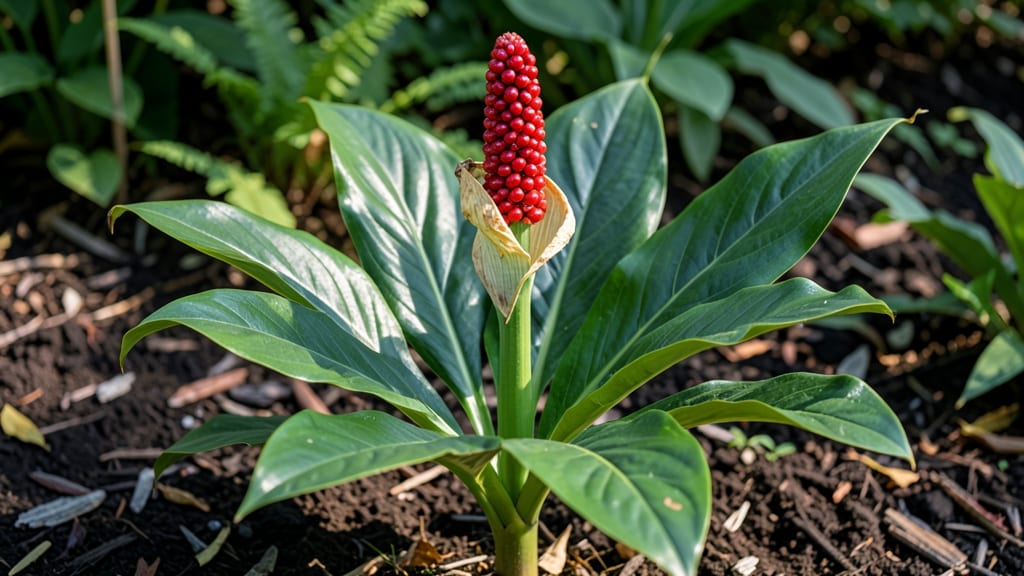
Those dramatic brown arum lily seed heads are nature’s way of saying, "It’s time to collect!" 🌱 The cold-stressed blooms trigger them to open—here’s how to turn them into new plants without losing a single seed.
I’ve learned the hard way that timing is everything: harvest too early, and the seeds won’t be viable; wait too long, and they’ll scatter before you’re ready.
First, grab a pair of pruning shears and snip the seed heads when they’re fully brown but before they split open—usually in late fall or early winter, depending on your climate.
Lay them on a paper towel in a dry, well-ventilated spot (like a garage or shed) for 2-3 weeks to dry completely. This step is critical: damp pods mold faster than you’d think, and nobody wants a stinky seed mess.
Once dry, gently crush the pods to release the seeds—think of it like popping a giant peppercorn. Store them in a paper envelope (not plastic, which traps moisture) in a cool, dark place.
By spring, you’ll have fresh seeds ready to sow or divide your arum lilies, doubling your plants for next season. The best part? These seeds stay viable for up to a year, so you’re not racing against time.
Pro tip: If your pods refuse to open naturally, give them a light frost—that’s how arum lilies trigger their own seed release. And if mold appears? Toss those pods immediately and start fresh.
Patience and a little chill are all you need to turn those messy seed heads into your garden’s next star players.
📚 In This Guide
- What you need
- Instructions
- Tips and common mistakes
- Wrapping up and next steps
What you need
- ● Arum lily plant (preferably with mature, dried seed heads—Zantedeschia aethiopica or similar varieties work best).
- ● Pruning shears or sharp scissors (sterilized with 70% isopropyl alcohol to prevent disease).
- ● Paper towels or newspaper (for collecting fallen seeds or creating a clean workspace).
- ● Small plastic bags or envelopes (for seed storage—quart-sized Ziploc bags or seed envelopes work well).
- ● Spray bottle with water (for light misting if humidity is low).
- ○ Thermometer (optional but helpful) (to monitor temperature drops—aim for 35–45°F (2–7°C)).
- ● Grow lights or a sunny windowsill (to provide 6–8 hours of indirect light post-opening).
- ● Humidity tray (a shallow tray with pebbles and water to increase moisture levels).
- ● Notebook & pen (to track temperature changes and seed development).
- ● Glove (to protect hands from calcium oxalate crystals in arum lily sap—not for seed handling!).
- ● Seedling trays & potting mix (if you plan to germinate collected seeds immediately).
How to induce arum lily seed pods to open naturally
Cold stress is the secret to revealing arum lily seeds—here's how to do it right.
🌱 Step 1: Identify and Select Mature Seed Heads
Wait until the arum lily's seed pods turn a deep, papery brown and feel dry to the touch. These pods won't open naturally at room temperature—they need that cold shock to trigger seed release. I look for pods that have lost their green color and feel slightly brittle when gently squeezed.
Choose 4-6 healthy seed heads from your plant. You'll want pods that are fully mature but haven't yet split open. If any pods are already cracked or empty, skip those—they won't yield viable seeds. The ideal pods should be intact but completely dry and brown.
❄️ Step 2: Apply Cold Treatment for 2-3 Weeks
Place the selected seed heads in a paper bag—this prevents moisture from condensing on them during cold treatment. Store the bag in your refrigerator's crisper drawer where temperatures stay between 35-40°F. The cold stress mimics winter conditions and signals the pods to release their seeds.
Check the pods every 3-4 days. You'll see them begin to split open along their seams after about 10-14 days, though some may take up to 21 days. Don't rush this process—removing them too early means missed seeds. The pods will eventually crack open completely, revealing the bright orange seeds inside.
🪴 Step 3: Collect and Dry the Seeds
Once the pods are fully open, carefully empty the seeds into a clean, dry container. I use a small mesh bag or fine sieve to catch any seeds that might fall through the cracks. The seeds will be bright orange when fresh, but they'll darken slightly as they dry.
Spread the seeds out on a paper towel in a single layer and let them air dry for 3-5 days in a warm, dry place. This prevents mold growth and ensures the seeds remain viable. Avoid direct sunlight—it can overheat and damage the seeds. Once completely dry, they're ready for storage or planting.
☀️ Step 4: Store or Plant the Seeds Immediately
For best results, plant the seeds within 2-4 weeks of collection. Arum lily seeds lose viability quickly, so don't wait too long. If you're not planting right away, store them in a sealed envelope with a desiccant packet in a cool, dark place. They'll stay viable for up to 6 months under these conditions.
When ready to plant, scatter the seeds on the surface of moist potting mix—arum lilies need light to germinate, so don't cover them with soil. Keep the mix consistently moist but not soggy, and place the container in bright, indirect light. Germination can take 4-8 weeks, so be patient. You'll know it's working when tiny green shoots push through the soil.
⏰ Step 5: Monitor for Germination and Early Growth
Once germination begins, move the seedlings to a spot with bright, indirect light for the first 2 weeks. Direct sunlight can scorch their delicate leaves. I use a grow light on a timer set for 12 hours daily to ensure consistent growth. Watch for the first true leaves—these will be larger and more defined than the initial seed leaves.
When seedlings reach 2-3 inches tall, you can transplant them into individual pots. Arum lilies grow best in well-draining soil, so mix in some perlite or sand to prevent root rot. Keep the soil lightly moist and avoid overwatering—these plants are sensitive to too much moisture once established.
Tips & tricks for perfect arum lily seed pod opening
Here's what nobody tells you about getting those stubborn seed pods to open—trust me, these tricks make all the difference.
Pod Selection Matters: In Step 1, when choosing your 4-6 seed heads, look for pods that feel slightly hollow when tapped gently—this means they're fully mature. I've learned the hard way that partially green pods won't respond to cold treatment, no matter how long you leave them. Also, avoid pods with any visible cracks or holes, as they've already released seeds or are susceptible to mold during cold storage.
Cold Storage Strategy: For Step 2, the refrigerator's crisper drawer is ideal because it maintains consistent 35-40°F temperatures without humidity fluctuations. If your fridge runs warmer, place the bag on the bottom shelf where it's coldest. I've found that adding a small silica gel packet to the paper bag helps absorb any residual moisture that might develop during the 2-3 week process—this prevents premature mold growth on the pods.
Timing is Everything: The 3-4 day check-ins in Step 2 are crucial, but don't be tempted to peek more often. Every time you open the fridge door, you introduce warmth and humidity that can disrupt the cold stress process. I set a timer on my phone for the exact 3-4 day intervals to avoid temptation. The pods will begin splitting along their seams after about 10-14 days, but some stubborn ones may take the full 21 days—patience pays off with more seeds!
Seed Collection Hack: In Step 3, I've found that gently tapping the open pods over a clean white paper towel makes seed collection easier. The bright orange seeds stand out against the white background, and you can see any tiny seeds that might fall through the cracks. For drying, I use a small mesh screen instead of paper towels—it allows better air circulation around each seed while still catching any that might try to escape.
Pro Tips for Arum Lily Seed Head
- Here's what nobody tells you about getting those stubborn seed pods to open—trust me, these tricks make all the difference.
- Pod Selection Matters: In Step 1, when choosing your 4-6 seed heads, look for pods that feel slightly hollow when tapped gently—this means they're fully mature.
- Cold Storage Strategy: For Step 2, the refrigerator's crisper drawer is ideal because it maintains consistent 35-40°F temperatures without humidity fluctuations.
Frequently asked questions
about arum lily seed heads—especially when cold stress triggers those iconic pods to pop open! Here’s what you need to know:Why does cold weather make arum lily seed heads explode?
The arum lily (Zantedeschia aethiopica) seed pods are thermally sensitive—they’re designed to burst open when temperatures drop below ~50°F (10°C). This cold stress causes the pods to release seeds, ensuring new plants grow in cooler seasons. Think of it as nature’s built-in timing mechanism!
When is the best time to collect seeds from opened pods?
Collect seeds immediately after pods split open (usually within 24–48 hours) for the highest viability. Wait too long, and seeds may dry out or lose germination potential. Early morning is ideal—pods often release seeds when dew is still present. Store them in a cool, dry place until planting.
Can I grow arum lilies from seed, or should I propagate from tubers?
While possible, growing from seed is slow and unpredictable—it can take 2–3 years for seedlings to bloom. For faster results, divide mature tubers in spring or fall. Seeds are better for experimenting with new hybrids or if you love the challenge!
What do I do if my arum lily seed pods won’t open naturally?
If pods stay closed despite cold weather, try these tricks:
- Freeze them: Place pods in a plastic bag and refrigerate for 24–48 hours.
- Gently squeeze: Use pliers to carefully crack the pod—don’t crush the seeds inside!
- Wait for rain: Moisture can sometimes trigger natural splitting.
Are arum lily seeds toxic like the rest of the plant?
Yes! All parts of the arum lily—including seeds—contain calcium oxalate crystals, which are toxic if ingested. Wear gloves when handling seeds or pods, and keep them away from pets/kids. Never consume them!
Wrapping up and next steps
Understanding how arum lily seed heads respond to cold stress can transform your lawn care routine—turning winter into an opportunity for natural propagation! 🌱 By embracing this quirky botanical behavior, you’re not just tidying up; you’re fostering a healthier, more resilient garden.
Ready to put this knowledge into action? Start observing your arum lilies this winter—gently collect those opened seed pods, and give them a try in your garden beds or containers. Who knows?
You might just unlock a new layer of beauty (and maybe even a few surprises!) in your outdoor space.