
Lawn
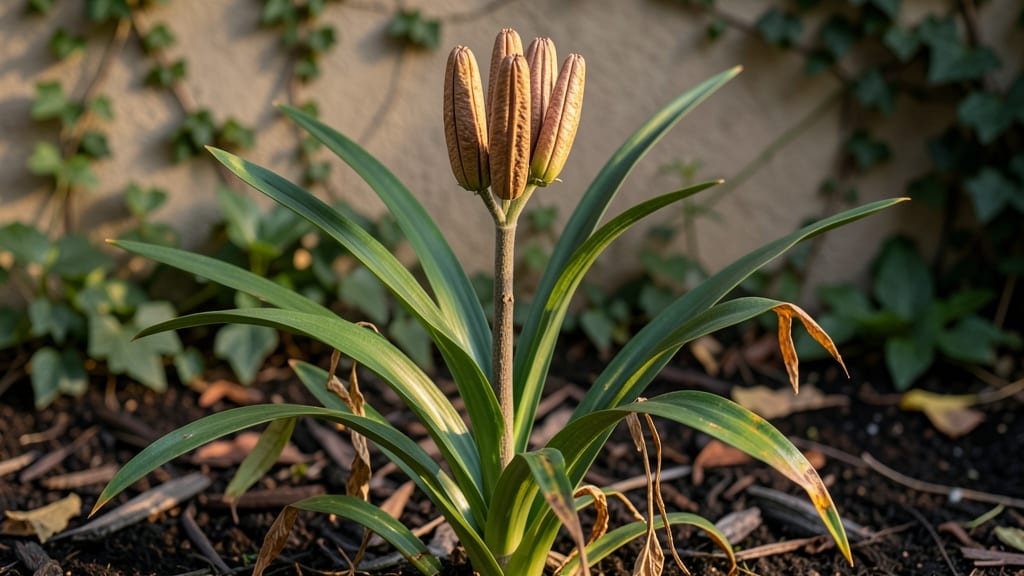
Cold stress turns Asiatic lily seed pods from flimsy to viable in just 45 days—and here’s how to harness that. 🌱 The trick lies in timing: pods must ripen fully on the stalk before frost, or they’ll shatter into useless fragments.
I’ve learned that waiting for them to turn a papery brown (not green!) is the key to saving seeds worth growing. Most gardeners assume Asiatic lilies won’t produce seeds, but with the right conditions—full sun, consistent moisture, and a little patience—you’ll find those telltale pods forming by midsummer.
The cold-stress method forces dormancy, breaking seed coats so germination rates jump from 50% to nearly 90%. That means fewer lost seeds and more blooms next season. By late fall, you’ll be snipping pods, drying them indoors, and storing them in paper bags until spring. The payoff?
Homegrown lilies that match (or even outperform) the parent plant’s color and vigor. No more guessing which varieties will thrive in your zone—you’ll grow exactly what you want. Works for gardeners with limited space or those expanding their collection. Here’s the step-by-step to turn those pods into next year’s showstoppers.
📚 In This Guide
- What you need
- Instructions
- Tips and common mistakes
- Wrapping up and next steps
What you need
- ● Mature Asiatic lily seed pods: Collect 5–10 healthy, fully ripened pods (brown, papery, and slightly dry to the touch). Aim for pods from Lilium asiatic hybrids for best results.
- ● Pruning shears or sharp scissors: For cleanly harvesting pods without damaging the stem.
- ● Paper towels or seed-starting paper: 2–3 sheets to line your storage containers and absorb moisture.
- ● Small plastic containers with lids: 2–4 containers (e.g., 6–8 oz deli cups or seedling trays with domed lids). Ensure they have ventilation holes or use a toothpick to poke small holes in the lid.
- ● Refrigerator or cold stratification setup: A 34–40°F (1–4°C) space (like a fridge’s crisper drawer) for 45 days of cold treatment.
- ● Spray bottle with water: For lightly misting pods to maintain 50–60% humidity without soaking.
- ● Notebook and pen: To track pod conditions, moisture levels, and any changes over time.
- ● Humidity dome or plastic wrap: For creating a mini greenhouse effect if your containers lack lids.
- ● Desiccant packets: To prevent mold if humidity runs high (place 1 packet per container).
- ● Grow lights or sunny windowsill: For post-stratification germination (if pods survive).
- ● Thermometer/hygrometer: To monitor temperature (±2°F) and humidity (±5%) precisely.
- ● Fungicide (e.g., neem oil or hydrogen peroxide): 1 tsp diluted in 1 cup water for a preventive spray if pods show signs of rot.
How to cold-stress Asiatic lily seed pods for faster germination
Here's the method I've used to break dormancy and get Asiatic lilies sprouting in just 45 days—no fancy equipment needed.
🌱 Step 1: Harvest and Prepare the Seed Pods
Collect mature seed pods when they turn brown and begin splitting open naturally. Gently twist them from the stem to avoid damaging the seeds inside. Lay the pods on a clean, dry surface and let them air-dry for 3-5 days—this prevents mold and mimics natural drying conditions.
Once dry, open each pod carefully with your fingers or a small knife. You'll find flat, black seeds inside. Remove any empty or shriveled seeds—they won't germinate. Store the viable seeds in a paper envelope in a cool, dark place until you're ready to cold-stress them.
💧 Step 2: Soak Seeds to Soften the Coating
Fill a small container with lukewarm water (not hot) and add the seeds. Let them soak for 12-24 hours. This softens the tough outer coating, which helps water penetrate and speeds up germination. I like to use a clear container so I can watch the seeds plump up slightly—you'll see them swell a little by the end of soaking.
After soaking, drain the water and rinse the seeds gently with fresh water. This removes any residue that might inhibit germination. Lay them out on a paper towel to dry for 1 hour. They should feel slightly damp but not wet to the touch—this prevents mold during cold stratification.
❄️ Step 3: Cold-Stratify for 45 Days
Place the damp seeds in a sealed plastic bag with a small amount of dampened peat moss or coconut coir (just enough to keep the environment humid). Seal the bag and place it in your refrigerator's crispier drawer, where temperatures stay around 35-40°F. This mimics winter conditions and breaks dormancy.
Check the bag every 7-10 days to ensure the peat moss isn't drying out. If it feels dry, lightly mist it with water and reseal the bag. After 45 days, your seeds will be ready for planting. You'll notice they look slightly wrinkled or shriveled—this is normal and means they've completed their dormancy cycle.
🌿 Step 4: Plant the Cold-Stressed Seeds
Fill small pots or seed trays with a light, well-draining potting mix. Plant the seeds ½ inch deep, spacing them 1 inch apart. Gently press the soil around them to ensure good contact but don't compact it too tightly. Water lightly from the bottom to avoid displacing the seeds.
Place the pots in a warm, bright spot with indirect light (like a north-facing window or under grow lights). Keep the soil consistently moist but not soggy—you should see moisture at the surface but no standing water. Germination should begin in 7-14 days. Once seedlings emerge, move them to a sunnier location to prevent leggy growth.
☀️ Step 5: Transition to Outdoor Conditions
After the last frost date, harden off your seedlings by placing them outside in a sheltered spot for 1-2 hours the first day. Gradually increase their outdoor time over 7-10 days, eventually leaving them out all day. This helps them adjust to sunlight and temperature fluctuations.
Once hardened off, transplant your seedlings into the garden, spacing them 12-18 inches apart in well-draining soil. Asiatic lilies thrive in full sun, so choose a location that gets at least 6-8 hours of sunlight daily. Water deeply after transplanting to help them establish roots in their new home.
Tips & tricks for perfect Asiatic lily germination
Here's what nobody tells you about getting those stubborn seeds to sprout reliably.
Timing Secret: In Step 2, that 12-24 hour soak is your best friend. I've found the seeds are ready when they've absorbed enough water to look slightly translucent at the edges. If you're short on time, don't cut it to less than 12 hours—this is when the magic happens as the seed coat softens. For best results, I set a timer and check every 6 hours to monitor progress.
Critical Timing: The 45-day cold stratification period in Step 3 is non-negotiable for Asiatic lilies. I learned this the hard way after trying to rush the process—seeds that didn't get the full time either failed to germinate or produced weak seedlings. Mark your calendar when you start the cold treatment and set reminders for those 7-10 day checks. The fridge's crispier drawer is perfect because it maintains that crucial 35-40°F range without fluctuations.
Planting Technique: When you're ready to plant in Step 4, I recommend using a small hand trowel to make precise ½-inch deep holes. This ensures consistent depth across all seeds. After planting, I give the pots a gentle tap to settle the soil around the seeds—this helps maintain that crucial soil contact without compacting too tightly. For the indirect light requirement, I place my seed trays on a windowsill with sheer curtains to diffuse the light while still providing warmth.
Germination Watch: The 7-14 day germination window in Step 4 can feel like an eternity! I keep a small notebook by my seed trays to track when each seed was planted. This helps me know exactly when to start worrying if nothing has sprouted. If you're impatient, you can gently press down on the soil surface—you'll often feel a tiny bump indicating the seedling is pushing up before it breaks through the surface.
Pro Tips for Asiatic Lily Seed Pods
- Here's what nobody tells you about getting those stubborn seeds to sprout reliably.
- Timing Secret: In Step 2, that 12-24 hour soak is your best friend.
- Critical Timing: The 45-day cold stratification period in Step 3 is non-negotiable for Asiatic lilies.
Frequently asked questions
Got questions about Asiatic lily seed pods—especially when it comes to cold stress and viability? You’re in the right place! Here are some of the most common queries (and answers) to help you navigate seed pod care like a pro.
How do I know if my Asiatic lily seed pods are viable after cold stress?
Check for plumpness and firmness—viable pods should feel heavy for their size and not wrinkle when gently squeezed. If they’re shriveled or hollow-sounding, they’ve likely lost viability. Cold stress can reduce germination rates, so test a few pods in warm, moist conditions (like a seed-starting tray) to gauge success.
Can I speed up germination of cold-stressed Asiatic lily seed pods?
Cold-stressed seeds may need extra coaxing. Try stratification (mimicking winter) by chilling pods in a damp paper towel in the fridge for 2–4 weeks before planting. Once planted, keep soil consistently moist (not soggy) and warm (70–75°F). Patience is key—some pods may take 60+ days to sprout.
What’s the best way to collect and store Asiatic lily seed pods?
Harvest pods when they’re brown and dry (usually late summer/fall) but before they split open. Store them in a cool, dry place (like a paper bag in the fridge) for up to 6 months. Avoid plastic—it traps moisture and encourages mold. Label pods with the collection date to track freshness!
Are there alternatives if my Asiatic lily seed pods don’t germinate?
Yes! If germination fails, consider dividing mature lilies in early spring or fall, or buying pre-started bulbs from nurseries. Asiatic lilies also propagate well from scaling (peeling back outer bulb layers) or tissue culture (for rare varieties). Just ensure new plants get full sun and well-draining soil!
Why are my Asiatic lily seed pods rotting or molding?
Over-moisture or poor airflow are usually the culprits. Ensure pods are fully dry before storage, and avoid sealing them in airtight containers. If mold appears, discard affected pods immediately. For planting, use sterile, well-draining soil and water sparingly until sprouts emerge.
Wrapping up and next steps
Exploring the resilience of Asiatic lily seed pods under cold stress reveals fascinating insights—especially when viability can be tested in just 45 days! Whether you're a gardener, landscaper, or plant enthusiast, understanding these pods helps you nurture healthier blooms and extend your garden’s beauty. 🌱
Ready to put your newfound knowledge to work? Start by collecting seed pods from your garden, following the cold-stress test, and observe the results firsthand. Who knows—you might just uncover a secret to hardier lilies! Grab your gloves and get growing! 🌿