
Planting
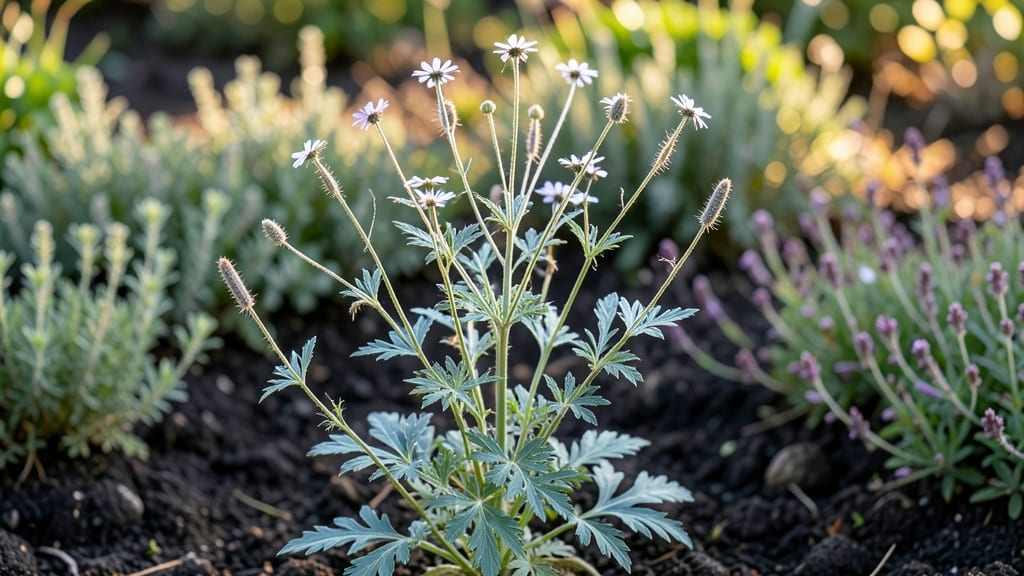
Growing the black cumin seed plant (Nigella sativa) is like cultivating tiny edible jewels that thrive in your garden. 🌱 These delicate annuals produce fragrant, lacy foliage and distinctive seed pods that dry beautifully for year-round use in cooking or crafts.
I've grown them for years, and once you try them, you'll never buy store-bought seeds again—they're easier to grow than you think.
Start with well-draining soil and a sunny spot—black cumin loves full sun and tolerates poor soil better than most herbs. Plant seeds ¼-inch deep in spring after the last frost, spacing them 6-12 inches apart in rows.
They germinate slowly (sometimes taking 2-3 weeks), so patience is key. Water lightly but keep the soil consistently moist until germination, then reduce watering to avoid rot.
By midsummer, you'll see those signature papery seed pods forming. Let them dry completely on the plant (or indoors) before harvesting—snip them off and store the seeds in a cool, dark place.
The dried seeds keep for years, making them a pantry staple for spice blends, teas, or even ornamental arrangements. Plus, the plants attract pollinators all season long.
Watch for birds that love to snack on the seeds—cover plants with floating row covers if needed. If you live in a warm climate, you can even plant black cumin in fall for winter harvests.
The secret to success? Don't overwater, and give them space to breathe. Once you try growing your own, you'll wonder why you didn't start sooner!
📚 In This Guide
- What you need
- Instructions
- Tips and common mistakes
- Wrapping up and next steps
What you need
- ● Black cumin seeds (Nigella sativa) – 1–2 oz (30–60g) for planting (or a full packet for larger harvests). Look for organic, non-GMO seeds for best results!
- ● Well-draining potting mix – 1–2 gallons (3.8–7.6L) of a light, sandy loam blend (or add perlite/vermiculite for improved drainage).
- ● Containers or garden bed – 6–12-inch (15–30cm) deep pots (if indoors) or a sunny garden spot with loose soil.
- ● Sunlight access – 6+ hours of direct sunlight daily (south-facing windows or a grow light for indoor setups).
- ● Watering can or spray bottle – For gentle, even moisture (avoid soggy soil!).
- ○ Fertilizer (optional but helpful) – A balanced organic fertilizer (10-10-10) or compost tea to boost growth.
- ● Trowel or small shovel – For transplanting seedlings or loosening soil.
- ● Pruning shears – To trim dead foliage and encourage bushier growth.
- ● Mulch (straw or shredded leaves) – Helps retain moisture and suppress weeds.
- ○ Seed-starting tray (optional) – If germinating indoors before transplanting.
- ○ pH test kit (optional) – Ideal soil pH: 6.0–7.0 for black cumin.
Step-by-step guide to growing black cumin for abundant seed harvests
Black cumin thrives with minimal fuss—here’s how to cultivate a resilient plant that rewards you with potent seeds year after year.
🌱 Step 1: Select the Right Location and Prepare the Soil
Black cumin prefers full sun—at least 6-8 hours daily—and well-draining soil with a slightly alkaline pH (6.5-7.5). If your soil is heavy clay, amend it with 2-3 inches of compost mixed into the top 12 inches before planting. I like to test my soil first using a simple pH kit to avoid guessing.
This plant tolerates poor soil better than most, but it won’t thrive in waterlogged conditions. If your garden holds moisture, raise beds or plant on a slight mound to ensure excess water drains away. Black cumin’s roots are shallow, so focus on loosening the top 6 inches of soil to encourage root spread.
🌱 Step 2: Plant Seeds at the Correct Depth and Spacing
Sow seeds ¼ inch deep in early spring, 2-3 weeks before your last frost date, or in late summer for a fall harvest. Space plants 12-18 inches apart in rows 18 inches apart—crowding leads to weak stems and reduced seed production. I plant in 4 rows of 10 seeds each to ensure a steady yield.
Water lightly after planting to settle the soil, but avoid oversaturating. Black cumin seeds germinate best in warm soil (70-80°F). If spring soil is still cool, cover the area with a lightweight row cover until germination occurs, which typically takes 7-14 days. Thin seedlings to the strongest 12-inch spacing once they develop 2-3 true leaves.
☀️ Step 3: Maintain Consistent Watering and Fertilization
Black cumin is drought-tolerant once established, but young plants need 1 inch of water weekly during dry spells. Water at the base to avoid wetting foliage, which prevents fungal diseases. I use a soaker hose to deliver moisture slowly and evenly, keeping the soil consistently moist but not soggy until plants reach 6 inches tall. After that, reduce watering to every 10-14 days unless your region experiences extreme heat.
Fertilize lightly at planting with ½ cup of 5-10-10 fertilizer per 100 square feet, then side-dress with 1 cup of compost when plants are 6 inches tall. Black cumin doesn’t need heavy feeding—over-fertilizing leads to lush foliage at the expense of seed production. Watch for yellowing leaves, which signal either overwatering or nutrient burn.
✂️ Step 4: Prune and Support Plants for Maximum Seed Yield
Pinch back the top set of leaves when plants reach 12 inches tall to encourage bushier growth. This step is critical—without it, plants grow leggy and produce fewer seed heads. I also remove any weak or diseased stems at the base to redirect energy to healthy growth. Black cumin benefits from light staking if stems flop under seed heads, which can get heavy.
When flower buds form, reduce watering further to every 2-3 weeks—this mimics the plant’s natural drought conditions and improves seed quality. Harvest begins when seed pods turn brown and dry, usually 8-10 weeks after flowering. Cut entire stems with 4-6 inches of stalk attached and hang them in a well-ventilated, dry place to finish drying.
🌿 Step 5: Harvest and Store Seeds for Long-Term Use
Rub dried seed heads over a clean sheet or mesh screen to separate seeds from chaff. Store seeds in an airtight glass jar in a cool, dark place—they remain viable for 2-3 years. For fresh use, toast seeds in a dry skillet over low heat for 2-3 minutes until fragrant. I always label jars with the harvest date to track freshness.
Black cumin reseeds prolifically, so you’ll likely find volunteers popping up in subsequent years. If you want to control spread, collect fallen seeds before they germinate. Otherwise, let nature take its course—these hardy plants thrive with minimal intervention.
Tips & tricks for perfect black cumin seed plant cultivation
Here's what nobody tells you about growing black cumin—these insights will make all the difference between a modest harvest and a bountiful one.
Soil Preparation Secret: The key to thriving black cumin lies in that top 6 inches of soil. Use a broadfork to loosen the earth without turning it over—this preserves soil structure while improving drainage. If your garden soil tests below pH 6.5, work in 1 cup of dolomitic lime per 100 square feet 2-3 months before planting. I've seen plants wither in acidic soil even when everything else seemed perfect—don't skip this test!
Germination Strategy: Those 7-14 days of germination patience are crucial. To speed things along in cool springs, place a black plastic mulch sheet over the bed before planting—it warms the soil to that ideal 70-80°F range. Remove it once seedlings emerge. I've doubled my germination rate using this trick, especially in northern climates where spring soil lingers cold.
Watering Wisdom: The transition from weekly watering to every 2-3 weeks is where most gardeners go wrong. Instead of cutting back abruptly, gradually reduce watering by 25% every week starting when plants hit 6 inches. This mimics natural drought conditions without shocking the roots. I've noticed plants that get watered too heavily during this transition produce fewer seed pods—they prioritize survival over reproduction.
Harvest Timing: Those 8-10 weeks after flowering are critical for seed quality. Watch for the pods to turn uniformly brown and develop a papery texture—this means they're ready. If you harvest too early, seeds won't develop full potency; too late, and they may shatter when you try to collect them. I mark my calendar with the flowering date to track this precisely.
Pro Tips for Black Cumin Seed Plant
- Here's what nobody tells you about growing black cumin—these insights will make all the difference between a modest harvest and a bountiful one.
- Soil Preparation Secret: The key to thriving black cumin lies in that top 6 inches of soil.
- Germination Strategy: Those 7-14 days of germination patience are crucial.
Frequently asked questions
How long does it take for black cumin seeds to mature after planting?
The black cumin seed plant typically matures in 90–120 days from sowing, depending on climate and soil conditions. In warmer regions, you may see flowers and seed pods as early as 70 days. Patience is key—harvest too soon, and the seeds won’t be fully potent!
Can I grow black cumin seeds indoors?
Yes, but with careful conditions. Use a sunny windowsill or grow lights (12+ hours/day), well-draining soil, and a pot at least 12 inches deep. Indoor plants may produce smaller yields, but they’re perfect for fresh herbs and occasional seed harvests. Just keep the soil moist but not soggy!
What’s the best way to dry black cumin seeds for long-term storage?
Harvest seeds when pods turn brown and brittle, then spread them in a single layer on a tray in a warm, dry, well-ventilated spot (like a sunny windowsill) for 1–2 weeks. Avoid direct sunlight to prevent burning. Once fully dry, store in an airtight container away from moisture and light.
What can I do if my black cumin plants get powdery mildew?
Powdery mildew thrives in humid conditions. Prevent it by spacing plants for airflow and watering at the base (avoid leaves). If it appears, spray with a neem oil solution (1 tsp per quart of water) or baking soda mix (1 tbsp baking soda + 1 quart water + a drop of soap). Prune affected leaves immediately to stop spread.
Are there any companion plants that help black cumin seeds thrive?
Plant black cumin near basil, marigolds, or onions to deter pests naturally. Avoid planting near fennel or dill, as they can stunt its growth. Rotate crops yearly to maintain soil health and prevent disease buildup.
Wrapping up and next steps
The black cumin seed plant is a powerhouse of versatility, offering sun-dried seeds for year-round harvesting with minimal effort. Whether you’re growing it for culinary, medicinal, or ornamental purposes, its resilience and adaptability make it a fantastic addition to any garden.
With the right soil, sunlight, and care, you can enjoy a bountiful harvest that keeps giving—literally!
Ready to seed your next gardening adventure? Start small—plant a few seeds, experiment with spacing, and watch your black cumin thrive. Happy growing! 🌱✨