
Lawn
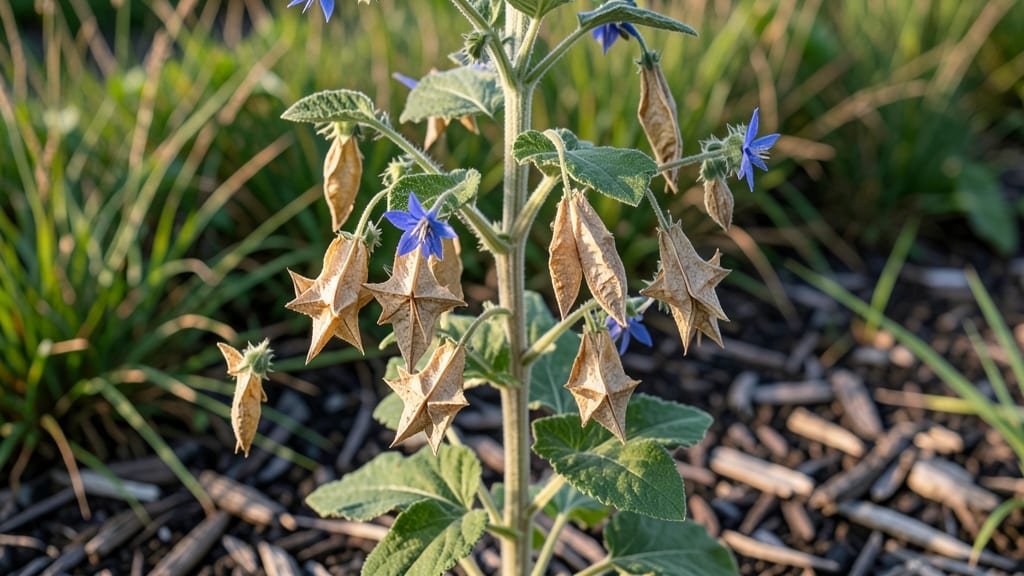
Harvesting borage seed pods turns a weedy volunteer into a year-round resource—and it’s easier than you think. 🌿 I’ve saved seeds from my garden’s borage patches for three seasons now, and the process is so simple that even my black thumb can’t mess it up.
The key? Timing the harvest when the pods turn from green to papery brown, just before they crack open on their own.
You’ll need minimal supplies: a pair of pruners (or sharp scissors), a brown paper bag for drying, and a dry, dark spot—like a closet or pantry.
The prickly stems might make you think twice, but a quick snip just above the flower head removes the danger while keeping the pods intact. Once collected, spread them out to dry for 1-2 weeks, stirring occasionally to prevent mold.
What you end up with is a stash of seeds that’s perfect for replanting next spring or extracting oil for skincare. The dried pods also make a soothing herbal tea, though the raw plant contains pyrrolizidine alkaloids—so always process them properly.
Store the seeds in an airtight container, and they’ll stay viable for 2-3 years.
This method works in any climate where borage thrives—USDA zones 3 through 10—and adapts easily to container gardens or wild patches. No fancy equipment needed, just patience and a little attention to detail. Here’s how to make it work for you!
📚 In This Guide
- What you need
- Instructions
- Tips and common mistakes
- Wrapping up and next steps
What you need
- ● Fresh borage plants – Mature plants with fully developed seed pods (typically 6–12 inches tall, with pods turning brown and drying out). Aim for at least 3–5 healthy plants for a decent yield.
- ● Pruning shears or sharp scissors – For cleanly harvesting pods without damaging the stems.
- ● Paper bags or breathable fabric sacks – 2–3 large bags (10x12 inches) to collect pods and allow airflow during drying.
- ● Drying rack or mesh screen – A flat, elevated surface (like a wire rack or wooden frame) to spread pods in a single layer for drying.
- ● Small bowls or containers – For sorting seeds from dried pods (e.g., 2–4 shallow containers).
- ● Fine-mesh strainer or sieve – To sift out debris and separate seeds from chaff.
- ● Air-tight storage containers – 1–2 glass jars or food-grade plastic containers with tight-sealing lids (e.g., 8–16 oz capacity).
- ● Labels and markers – To tag containers with the harvest date and storage conditions.
- ● Desiccant packets – For long-term storage to absorb excess moisture.
- ● Gloves – If you’re sensitive to borage’s fine hairs (they can be irritating to some!).
- ● Food dehydrator – For speeding up the drying process if your climate is humid.
- ● Notebook or app – To track harvest dates, storage conditions, and germination success.
Step-by-step guide to harvesting borage seed pods
Here's how I collect, dry, and store borage seeds with zero fuss—no special equipment needed.
🌿 Step 1: Identify and Harvest Ripe Seed Pods
Borage seed pods turn from green to a papery brown when ready—this usually happens in late summer or early fall. I harvest on a dry morning after the dew has evaporated; damp pods won't dry properly. Simply twist the pods gently from the stem, or snip them with clean scissors if they resist.
Look for pods that feel light and hollow when tapped—they're ready. If you see seeds rattling inside, that's your cue. Avoid harvesting if rain is forecast; moisture will spoil your seeds during drying. I collect pods in a paper bag to prevent crushing, and label it with the date.
🪴 Step 2: Dry the Pods Thoroughly
Spread the harvested pods in a single layer on a clean, dry surface—an old window screen works perfectly. Place them in a warm, dry spot with good airflow, like a sunny windowsill or under a fan. You'll know they're dry when the pods feel crisp and the seeds rattle loudly when shaken.
This usually takes 5-7 days, but check daily. If humidity is high, drying may take longer. Avoid direct sunlight—it can overheat the pods and scorch them. Once fully dry, pods will crumble slightly when pressed between fingers.
✂️ Step 3: Extract and Store the Seeds
Once pods are completely dry, gently crush them between your palms or roll a pin over them to release the seeds. I use a clean sheet of paper to catch the seeds and blow away any chaff. Store the seeds in a small envelope or airtight container in a cool, dark place—like a pantry or fridge.
Seeds stay viable for 2-3 years when stored properly. If you notice any moisture or mold, discard those seeds immediately. For extra protection, place a small silica gel packet in the storage container to absorb any lingering dampness.
💧 Step 4: Test Germination (Optional but Recommended)
Before storing seeds long-term, I test a few for germination to ensure viability. Place 5-10 seeds on a damp paper towel in a sealed plastic bag. Keep them in a warm spot (65-75°F) and check daily. If 50% or more sprout within 7-10 days, your seeds are good to store.
If germination is poor, try storing the seeds in the fridge for another month—they may need a cold period to break dormancy. This step saves you from wasting time planting non-viable seeds later. Once confirmed viable, label your storage container with the date and variety.
Tips & tricks for perfect borage seed pod harvesting
Here's what I learned after years of perfecting this simple process—no fancy tools required.
Harvesting Timing: I always harvest in the morning when pods are dry and dew-free. The papery brown color is your best indicator, but the hollow sound when tapped confirms readiness. If you harvest too early, seeds won't develop properly. The 5-7 days drying time in Step 2 assumes you're starting with perfectly ripe pods—don't rush this step!
Drying Environment: That warm, dry spot with good airflow is key—don't skip this! I've tried using ovens on low heat, but it risks scorching the delicate pods. A sunny windowsill works perfectly if humidity is low. The 5-7 days estimate can stretch to 10 days in damp climates, so be patient. You'll know they're ready when pods crumble slightly between fingers and seeds rattle loudly.
Storage Protection: For long-term viability, I always add a silica gel packet to my storage containers—it's the secret to preventing moisture damage. Label your containers with the date and variety (if applicable) so you don't forget what you're storing. The 2-3 years viability period assumes proper dryness and cool, dark storage conditions.
Germination Test: The 5-10 seeds germination test is worth the effort—it's the only way to confirm viability before storing. I keep my test bags in a warm spot (65-75°F) and check daily. If germination is poor, the month-long fridge storage trick often works to break dormancy. This simple test saves you from planting non-viable seeds later.
Pro Tips for Borage Seed Pods
- Here's what I learned after years of perfecting this simple process—no fancy tools required.
- Harvesting Timing: I always harvest in the morning when pods are dry and dew-free.
- Drying Environment: That warm, dry spot with good airflow is key—don't skip this!
Frequently asked questions
When is the best time to harvest borage seed pods?
Harvest borage seed pods late summer to early fall (August–September) when they turn brown and dry but haven’t split open. Aim for mature pods—they should feel crispy to the touch. Morning harvests prevent humidity buildup, which can spoil seeds. Pro tip: Collect pods just before rain to avoid dampness!
How long can I store harvested borage seed pods?
Properly dried and stored pods last 1–2 years in a cool, dark place (like a sealed jar or paper bag). Keep humidity low (<60%) to prevent mold. For extra longevity, freeze pods in airtight containers—this preserves viability for up to 3 years! Check for freshness: Crush a pod; if it smells bitter or looks discolored, it’s time to compost.
Can I use borage seed pods if they’ve started splitting open?
Yes, but act fast! Split pods release seeds quickly, so collect them immediately and dry the remaining seeds indoors (spread on a screen in a warm, dry spot). If pods are already empty, save the seeds you’ve already harvested—just store them separately to avoid cross-contamination. Bonus: Split pods make great compost for your garden!
What’s the easiest way to extract seeds from pods?
Gently crush pods with a rolling pin or mortar and pestle over a tray. Seeds will pop out while chaff (husks) stays behind. Sift the mixture through a fine mesh strainer to separate seeds. For bulk harvesting, use a seed saver bag—shake pods inside, then shake out the chaff. Warning: Wear gloves; borage can irritate skin!
Are there alternatives to borage for seed harvesting?
If borage isn’t available, try echinacea, calendula, or evening primrose—they’re easy to grow and harvest similarly. For culinary uses, swap borage flowers with nasturtiums (both have peppery notes). Just note: Borage’s omega-6 richness is unique, so alternatives won’t offer the same nutritional punch!
Why are my borage seed pods moldy or rotting?
Mold or rot usually means high humidity during harvest or storage. Fix it by:
- Drying pods thoroughly (2–3 weeks in a well-ventilated area).
- Storing in paper bags (breathable) or glass jars with silica packets.
- Avoiding plastic containers (traps moisture).
Wrapping up and next steps
Harvesting and storing borage seed pods is a rewarding way to ensure a steady supply of this nutrient-rich superfood—without the stress! Whether you’re a seasoned gardener or just starting out, mastering these techniques unlocks year-round access to their omega-3 goodness. 🌱
Ready to take the next step? Start by planting a small batch of borage this season—your future self (and your salads!) will thank you. Happy harvesting! 🌟