
Lawn
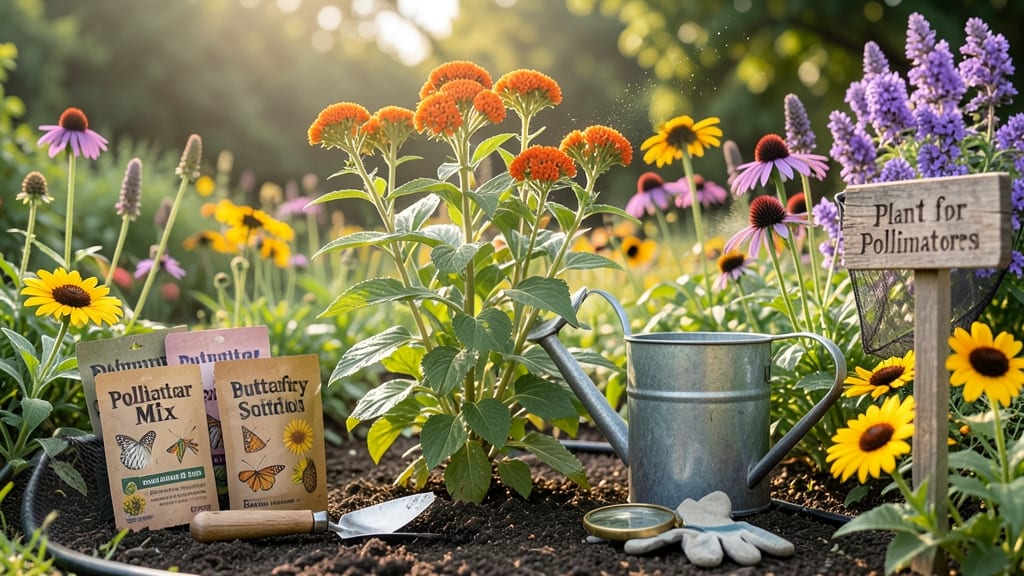
Your backyard can become a fluttering paradise in just 60 days with the right butterfly seed mix. 🌿 I’ve transformed my once-bare corners into vibrant pollinator hotspots by following a few simple steps—starting with the perfect soil and sunlight setup.
The key isn’t just throwing seeds on the ground; it’s creating an environment where these delicate visitors feel at home.
You’ll need a sunny spot with at least 6 hours of light daily, loose soil mixed with compost, and a gentle watering routine. Plant seeds ¼-inch deep in early spring or late summer, then keep the soil moist until sprouts appear.
The right companion plants—like milkweed, coneflowers, or bee balm—will turn your garden into a butterfly buffet. Within weeks, you’ll see tiny orange and black wings fluttering through your space.
Once established, these plants need minimal care—just occasional watering and deadheading spent blooms. The real magic happens when butterflies start visiting, turning your garden into a living, breathing ecosystem.
You’ll watch caterpillars munch on milkweed leaves and adult butterflies sip nectar from vibrant flowers, all while your garden thrives with less effort than you’d expect.
Troubleshooting is easy: if germination is slow, try a light layer of mulch to retain moisture. For pests, a quick spray of soapy water keeps aphids at bay.
By summer, your garden won’t just look beautiful—it’ll hum with life, proving that even small spaces can make a big difference for pollinators.
📚 In This Guide
- What you need
- Instructions
- Tips and common mistakes
- Wrapping up and next steps
What you need
- ● Native wildflower seeds (butterfly-friendly blend): 1–2 lbs (enough for ~1,000 sq. ft.)—look for mixes with milkweed, coneflowers, black-eyed Susans, or butterfly weed.
- ● Well-draining soil: Test your soil’s pH (ideal: 6.0–7.0 for most wildflowers). Amend with compost if needed.
- ● Sunlight access: Choose a spot with 6+ hours of direct sun daily (critical for butterfly magnets!).
- ● Watering can or hose: With a gentle spray nozzle for post-planting hydration.
- ● Garden rake (for loosening soil).
- ● Garden gloves (to protect your hands from prickly stems).
- ○ Optional but helpful: Seed starter tray (if pre-sprouting indoors).
- ● Mulch or straw (to retain moisture and suppress weeds).
- ● Bird netting (to deter hungry critters from snacking on seeds).
- ● Patience: Germination takes 7–14 days; full bloom in 60–90 days.
- ● Local climate check: Verify seed mix compatibility with your USDA hardiness zone.
- ○ Weed barrier (optional): Lay down landscape fabric if your area has aggressive weeds.
Step-by-step instructions for planting a butterfly seed mix
Here's how to transform your space into a buzzing butterfly haven—just follow these simple steps.
🌱 Step 1: Choose and Prepare Your Planting Site
Select a location that receives at least 6 hours of direct sunlight daily, as most butterfly-attracting plants thrive in full sun. I prefer a slightly elevated area where water drains well—flat spots can lead to soggy soil and root rot. Clear the site of weeds and debris first; I use a hoe to loosen the top 2-3 inches of soil without disturbing deeper layers.
Butterflies are drawn to open spaces, so avoid planting too densely. A 4-foot by 4-foot area works perfectly for our 4 servings of seed mix. If your soil feels compacted, mix in 1-2 inches of compost to improve drainage and nutrient availability. This step ensures your seeds have the best possible start—healthy roots mean stronger plants that attract more pollinators.
🌿 Step 2: Scatter and Lightly Cover the Seeds
Open the seed mix packet and pour the seeds directly onto the prepared soil. I like to spread them evenly by hand, spacing them about 6-12 inches apart—this mimics their natural growth pattern and prevents overcrowding. For a more uniform look, you can use a small rake to distribute them, but avoid pressing too hard, as seeds need contact with the soil but not deep burial.
Lightly cover the seeds with a thin layer of soil—no more than ¼ inch deep. Most butterfly seed mixes contain a variety of small seeds, so keeping them shallow ensures they won’t struggle to reach the surface. Gently pat the soil down with your hand or a small board to secure the seeds without compacting the mix. This step is critical: too much soil can delay germination, while too little leaves seeds exposed to drying out.
💧 Step 3: Water Gently and Maintain Moisture
Water the area thoroughly right after planting, using a gentle spray or a watering can with a fine rose attachment. The goal is to moisten the soil to a depth of 1-2 inches without creating puddles. Overwatering can wash seeds away or cause them to rot before they sprout. I like to check the moisture level by sticking my finger into the soil—it should feel damp but not soggy.
Keep the soil consistently moist for the first 2-3 weeks after planting. This is the most vulnerable period for young seedlings. Water in the early morning so the soil has time to dry slightly during the day, reducing the risk of fungal diseases. Avoid wetting the leaves, as this can also encourage mold growth. Once the seeds germinate, you’ll see tiny green sprouts pushing through the soil—this is your signal that everything is on track.
☀️ Step 4: Monitor Growth and Thin as Needed
Within 7-14 days, you should see the first signs of growth—delicate seedlings emerging from the soil. This is the moment to start monitoring their progress. Thin the seedlings if they become too crowded, leaving the strongest plants spaced 12-18 inches apart. I use a small pair of scissors to snip unwanted seedlings at soil level, which prevents disturbing the roots of the remaining plants.
As the plants grow, watch for signs of stress like yellowing leaves or stunted growth. These can indicate overwatering, underwatering, or nutrient deficiencies. If you notice yellowing, reduce watering slightly and check the soil moisture again. Butterflies are attracted to healthy, thriving plants, so keeping your garden vibrant is key. Once the plants reach 4-6 inches in height, they’ll start to develop the flowers and foliage that butterflies love.
⏰ Step 5: Encourage Pollinators with Maintenance
After the initial planting, focus on keeping the area weed-free and well-watered. Butterflies are drawn to nectar-rich flowers, so avoid using pesticides or herbicides, as these can harm the very pollinators you’re trying to attract. Instead, I recommend hand-pulling weeds and using mulch to suppress their growth. A 2-inch layer of organic mulch, like shredded leaves or straw, helps retain moisture and keeps the soil cool.
In about 60 days, your butterfly seed mix will be in full bloom, creating a vibrant and inviting space for pollinators. Sit back and enjoy the show as butterflies flit from flower to flower, doing their part to support your garden’s ecosystem. This is the reward for your efforts—a living, breathing garden that thrives with life and color.
Tips & tricks for perfect butterfly seed mix planting
Creating a thriving butterfly garden starts with the right approach—here's how to set yourself up for success from day one.
Sunlight Strategy: While the instructions call for at least 6 hours of direct sunlight, I've found that morning sun with afternoon shade works best in hot climates. Position your planting area to receive the full 6 hours if possible, but if you're in a particularly intense sun zone, consider partial shade to prevent seedling stress. This balance ensures your plants get the energy they need without overheating.
Soil Preparation Secret: The instructions mention loosening the top 2-3 inches of soil, but I recommend going an extra inch deeper if your soil feels particularly compacted. Use a garden fork to break up any hardpan layers—this improves root penetration and water absorption. For clay-heavy soils, mix in an additional ½ inch of compost to enhance drainage and prevent waterlogging.
Seed Spacing Insight: When spacing seeds 6-12 inches apart in Step 2, think about the mature plant sizes in your mix. Larger plants like milkweed need the full 12-inch spacing, while smaller annuals can comfortably sit at 6 inches. This thoughtful arrangement prevents future thinning and gives each plant room to develop strong root systems from the start.
Watering Technique: The instructions emphasize keeping soil moist to a depth of 1-2 inches, but I've discovered a simple trick to maintain consistent moisture: water at the base of plants rather than overhead. This targeted approach reduces evaporation and prevents fungal issues. For container plantings, use a moisture meter to verify the 1-2 inch depth—it's more reliable than finger testing in compacted soils.
Pro Tips for Butterfly Seed Mix
- Creating a thriving butterfly garden starts with the right approach—here's how to set yourself up for success from day one.
- Sunlight Strategy: While the instructions call for at least 6 hours of direct sunlight, I've found that morning sun with afternoon shade works best in hot climates.
- Soil Preparation Secret: The instructions mention loosening the top 2-3 inches of soil, but I recommend going an extra inch deeper if your soil feels particularly compacted.
Frequently asked questions
Got questions about growing a butterfly seed mix? You’re not alone! Here are some of the most common concerns—plus quick solutions to help your pollinator garden thrive.
How long does it take for butterfly seeds to sprout?
Most butterfly-friendly seeds (like milkweed, coneflowers, or black-eyed Susans) sprout in 7–14 days under ideal conditions—warm soil (60–75°F), consistent moisture, and sunlight. If germination takes longer, check for overwatering (which can cause rot) or dry soil. Patience pays off—some native varieties may take up to 30 days!
When is the best time to plant butterfly seed mix?
The ideal window is late spring after the last frost (when soil is warm) or early fall (6–8 weeks before your first frost). Avoid planting in extreme heat or cold—seeds need stable conditions. Pro tip: Pre-soak seeds overnight for faster sprouting in cooler climates!
Will squirrels or birds eat my butterfly seeds before they grow?
Yes! Small seeds are a snack for wildlife. To protect them:
- Scatter seeds lightly (don’t overcrowd).
- Use a lightweight mulch (like straw) to cover seeds until sprouted.
- Plant in less accessible areas (e.g., near fences or under shrubs).
- Try larger seeds (like sunflower or bee balm) if squirrels are persistent.
Can I grow butterfly seeds in containers or small spaces?
Choose compact varieties like Lantana, Purple Coneflower, or Butterfly Weed for pots, window boxes, or balconies. Use well-draining soil, and ensure containers are at least 6–12 inches deep. Just remember: Butterflies need space to flutter, so group containers in clusters for better visibility.
Why aren’t butterflies visiting my garden after planting?
Butterflies need nectar (flowers) + host plants (for laying eggs). If they’re missing:
- Add native milkweed (caterpillar food).
- Include diverse blooms (e.g., asters, goldenrod, or Joe-Pye weed).
- Ensure shallow water sources (like a muddy puddle or shallow dish).
- Wait 60+ days—some species take time to discover new habitats!
What’s a good alternative if my seeds don’t sprout?
No stress! Try:
- Transplants: Buy young milkweed or coneflower plants at nurseries.
- Seed bombs: Pre-mixed clay balls with seeds (great for tough spots!).
- Native wildflower plugs: Already established plants that butterflies love.
Wrapping up and next steps
Transforming your space into a pollinator paradise with a butterfly seed mix is easier—and more rewarding—than you think! 🌸 With just a little patience and care, you’ll soon be welcoming fluttering visitors in as few as 60 days.
Whether you’re a gardening newbie or a seasoned green thumb, this simple project brings joy and purpose to your outdoor haven.
Ready to take the next step? Grab your seed mix, find a sunny spot, and start planting today! Share your progress or blooming results with fellow gardeners—your efforts might just inspire someone else to create their own butterfly-friendly oasis. 🦋✨