
Lawn
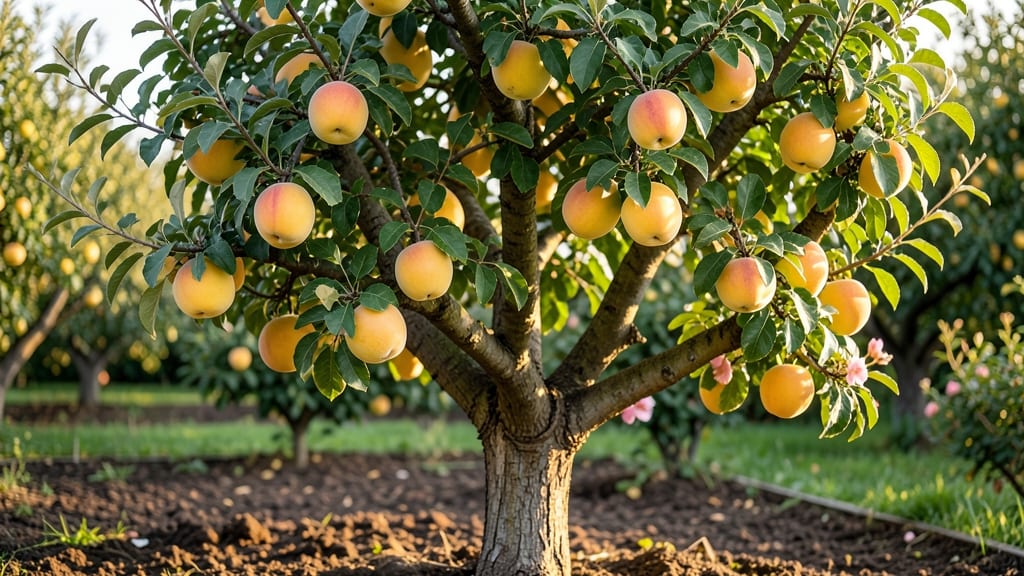
Growing clear seed peaches means no more wrestling with stubborn pits—just sweet, easy-to-stone fruit every harvest. 🌱 I planted my first tree after years of dealing with peaches that either split open or left me with a fight to extract the seed.
The right variety makes all the difference, and once you find it, the rest is straightforward care. Start with a self-pollinating variety like 'Redhaven' or 'Elberta' for guaranteed fruit without cross-pollination drama.
These trees thrive in well-draining soil with 6-8 hours of sunlight daily, and they reward you with juicy peaches that ripen in mid-to-late summer. The key is consistent moisture—1-2 inches per week—especially during flowering and fruit set.
By pruning in late winter, you encourage strong branches and better airflow, which cuts down on disease. I’ve found that removing sucker growth early prevents competition, and thinning fruit in spring keeps the remaining peaches larger. The first harvest is always the sweetest reward after months of patience.
Works for backyard orchards, container growing (in warmer zones), or even as a single statement tree. Here’s how to keep yours thriving from sapling to fruit-bearing giant!
📚 In This Guide
- What you need
- Instructions
- Tips and common mistakes
- Wrapping up and next steps
What you need
- ● Clear seed peach pits: 3–5 fresh, firm pits (avoid soft or moldy ones!). Harvest from ripe, organic peaches for best results.
- ○ Potting mix: A well-draining blend—50% peat moss or coconut coir, 30% perlite or vermiculite, and 20% sand (sterilized). Optional: Add a slow-release fertilizer (5-10-5 ratio).
- ● Small pots or seed trays: 4–6 3–4 inch pots with drainage holes (or a seed tray with individual cells).
- ● Plastic wrap or humidity dome: To maintain moisture during germination.
- ● Spray bottle: For gentle watering (avoid over-saturating seeds!).
- ○ Heat mat (optional but helpful): Germination thrives at 70–80°F—a seedling heat mat speeds this up.
- ● Pruning shears: For trimming seedlings later (sterilize with rubbing alcohol!).
- ● Labeled markers: To track seed varieties (especially if testing multiple pits!).
- ● Patience: Clear seed peaches can take 6 months–2 years to bear fruit! Plan ahead.
- ● Sunlight access: A south-facing window or grow lights (12+ hours/day) for seedlings.
- ○ Cold stratification (optional): For faster germination, refrigerate pits in damp paper towels for 4–6 weeks before planting.
- ● Pest control: Keep aphids/fungus at bay with neem oil or insecticidal soap.
Step-by-step guide to growing clear-seed peaches
Here’s how to grow peaches that reliably produce seedless fruit—no surprises at harvest time.
🌱 Step 1: Select the Right Variety and Planting Site
Choose a clear-seed peach variety like ‘Redhaven’, ‘Elberta’, or ‘Contender’, which are bred for consistent seedlessness. These trees thrive in USDA Zones 5-9, where they get full sun (6-8 hours daily) and well-draining soil. I always test soil pH first—peaches prefer 6.0-7.0, so I’ll amend with lime if needed.
Pick a spot with sheltered airflow to prevent spring frost damage. Young trees are vulnerable, so avoid low-lying areas where cold air pools. If your yard has heavy clay soil, mix in 2-3 inches of compost before planting to improve drainage and root development.
🪴 Step 2: Plant Bare-Root Trees at the Right Time
Plant bare-root trees in early spring (before buds swell) or late fall (6-8 weeks before first frost). Dig a hole twice as wide as the root ball but only as deep—the top of the roots should sit 2 inches below soil level to prevent rot. Gently spread the roots outward if they’re curled.
Backfill with native soil mixed with 1 part compost to encourage root growth. Water deeply to settle the soil, then add a 2-inch layer of mulch (wood chips or straw) to retain moisture and suppress weeds. Avoid letting mulch touch the trunk—keep it 3 inches away to prevent rot.
☀️ Step 3: Provide Consistent Water and Fertilizer
Water deeply 2-3 times per week for the first year, ensuring the soil stays moist but not soggy. Overwatering causes root rot, while underwatering stresses young trees. You’ll know moisture is right when the top 6 inches of soil feel damp but not wet.
Fertilize in early spring with a balanced 10-10-10 formula (1/2 cup per tree). In late spring, switch to a low-nitrogen, high-phosphorus fertilizer (like 5-10-10) to promote flowering. Avoid high-nitrogen fertilizers after June—they encourage leafy growth at the expense of fruit development.
✂️ Step 4: Prune for Airflow and Fruit Quality
Prune in late winter (before buds swell) to remove dead, crossing, or inward-growing branches. Open the canopy to improve airflow, which reduces disease risk. Aim for a vase-shaped tree with a strong central leader. Cut back to buds facing outward to encourage even growth.
After harvest, do a light pruning to remove any sucker growth (shoots at the base) and water sprouts (vertical shoots from the trunk). This keeps energy focused on fruit production. Thin fruit clusters in late spring to 6-8 inches apart—overcrowded fruit leads to small, poor-quality peaches.
🍑 Step 5: Harvest and Maintain for Future Seasons
Harvest when peaches slip easily from the tree and have a slightly soft blush (usually late July to early September, depending on variety). Store at 32-40°F for up to 2 weeks—never refrigerate unripe fruit, or it’ll never ripen properly.
In fall, apply a 2-inch layer of mulch around the base (but not the trunk) to protect roots from winter temperature swings. If your area gets below 0°F, wrap the trunk with tree guard to prevent sunscald and rodent damage. This keeps your tree healthy for decades of seedless peaches.
Tips & tricks for perfect clear-seed peach cultivation
These pro strategies will help you avoid common pitfalls and maximize your seedless peach harvest every season.
Variety Selection: While ‘Redhaven’, ‘Elberta’, and ‘Contender’ are excellent choices for clear-seed peaches, consider regional climate variations. In hotter southern zones (8-9), ‘Sanguinelli’ thrives with its natural resistance to brown rot. For northern zones (5-6), ‘Reliance’ handles colder winters better while maintaining seedlessness. Always check your local agricultural extension service for variety recommendations specific to your microclimate within the USDA zones.
Planting Depth: The 2-inch depth guideline for root placement is critical—any deeper risks suffocation, while shallower planting exposes roots to temperature extremes. I've seen many gardeners accidentally plant too deep, causing the tree to struggle for years. Use a level or reference point on the root flare (where roots meet trunk) to verify proper depth before backfilling. A simple wooden stake marked at the correct depth makes this verification effortless.
Watering Technique: The 6-inch soil moisture check is your best indicator, but timing matters too. Water in the morning to allow foliage to dry completely by evening, reducing fungal risks. For young trees, consider drip irrigation systems that deliver water directly to the root zone at a controlled rate—this prevents runoff while maintaining consistent moisture. Overhead sprinklers can spread disease spores, so avoid them during the critical first year.
Pruning Visual Cues: When pruning in late winter, look for these visual indicators: branches with dead bark (black or sunken areas), crossing branches (rubbing against each other), and inward-growing limbs that would block sunlight from the center. For the vase shape, imagine an open umbrella—each branch should extend outward like spokes. The outward-facing buds you cut to are typically on the underside of limbs, which is why you'll often see gardeners use their thumb to feel the bud orientation before making cuts.
Pro Tips for Clear Seed Peaches
- These pro strategies will help you avoid common pitfalls and maximize your seedless peach harvest every season.
- Variety Selection: While ‘Redhaven’, ‘Elberta’, and ‘Contender’ are excellent choices for clear-seed peaches, consider regional climate variations.
- Planting Depth: The 2-inch depth guideline for root placement is critical—any deeper risks suffocation, while shallower planting exposes roots to temperature extremes.
Frequently asked questions
Got questions about growing clear seed peaches? You’re not alone! Here are some of the most common queries—and their answers—to help you master the process without the fuss.
What’s the best time to plant clear seed peaches?
Plant your clear seed peaches in early spring, once the soil temperature consistently stays above 50°F (10°C). This gives roots time to establish before summer heat. In warmer climates, fall planting (3–4 weeks before frost) also works—just avoid extreme heat or cold.
How long does it take for a clear seed peach tree to bear fruit?
Patience is key! Most clear seed peaches take 3–5 years to produce fruit, depending on climate, care, and variety. Dwarf varieties may fruit sooner (2–3 years), while standard trees take longer. Prune lightly in early years to encourage stronger growth.
Can I eat peaches straight from the tree, or do I need to wait?
Yes, you can! Clear seed peaches are ready to eat when they’re fully colored, slightly soft to the touch, and release easily from the tree. Taste one—if it’s sweet and juicy, they’re perfect. For storage, pick them when they’re just ripe to avoid overripening.
What should I do if my peach tree gets peach leaf curl?
Peach leaf curl is common but treatable. Prevent it with a copper fungicide spray in late fall or early spring (before buds swell). If infected, prune affected branches immediately, then apply fungicide. Repeat as needed—consistency is key!
Are there alternatives if my seeds don’t produce clear seeds?
No worries! If your seeds don’t clear, try these tricks:
- Soak seeds in warm water for 24 hours before planting to soften the pit.
- Use higher-quality peaches (like Elberta or Redhaven), known for clearer seeds.
- Ask local nurseries—they may sell pre-cleared seed peach trees!
Wrapping up and next steps
Growing clear seed peaches is a rewarding way to enjoy fresh, flavorful fruit without the hassle of stubborn pits! With the right soil, sunlight, and a little patience, you’ll soon be harvesting juicy peaches that stay true to their seedless promise.
Whether you’re a beginner or a seasoned gardener, this stress-free method makes peach-growing accessible and fun.
Ready to take the next step? Start by selecting your healthiest peach seeds and follow the steps above to plant them in your garden or containers. Before you know it, you’ll be savoring homegrown, seedless peaches—all thanks to your green thumb! 🌱🍑