
Planting
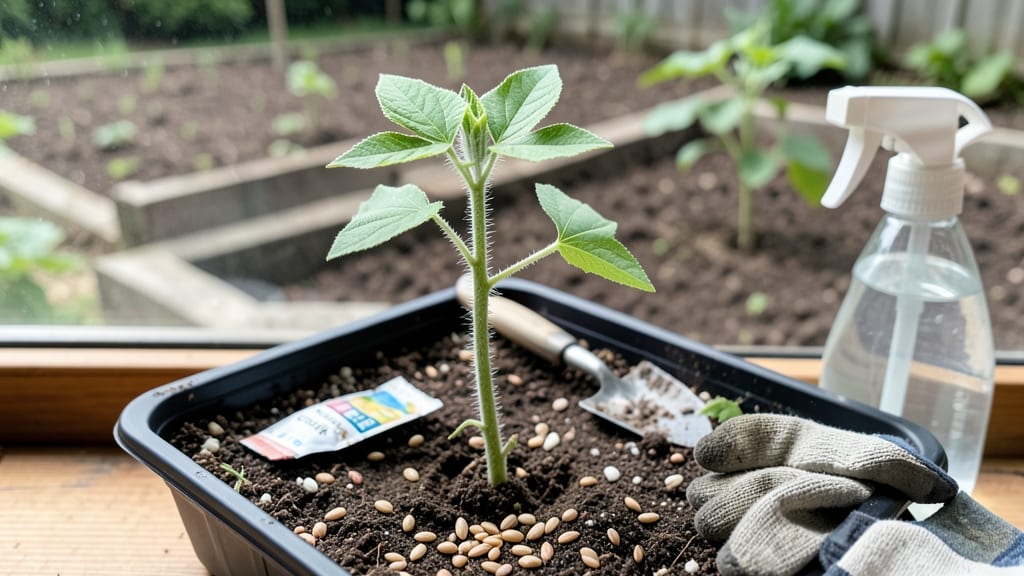
Sowing cotton seeds at ¼-inch depth makes all the difference between patchy germination and a lush, uniform stand. 🌱 I learned this the hard way—my first attempt buried seeds too deep, and they rotted before sprouting.
The key isn’t just depth, though; it’s the warm soil, consistent moisture, and patience that turn tiny seeds into sturdy plants ready for fiber or even decorative blooms.
You’ll need well-draining soil warmed to at least 70°F, a sunny spot with 8+ hours of light, and a way to keep seedlings cozy until they’re strong enough to handle cooler nights.
Most home gardeners grow cotton for its ornamental pink blooms or as a novelty fiber crop—though the seeds themselves aren’t edible. The real magic happens in the 2-3 weeks it takes for those first green shoots to push through the soil.
Once sprouted, thin seedlings to 12-18 inches apart to give roots room to spread. Mulch lightly to retain moisture without smothering tender stems, and watch for aphids—they love young cotton.
With the right spacing and care, you’ll have plants tall enough to harvest buds by midsummer, whether you’re growing for show or experimenting with natural fiber.
Fair warning: Cotton thrives in hot climates, so if you’re in a cooler zone, start seeds indoors 6-8 weeks before last frost or use a greenhouse. The payoff? Fluffy white blooms that turn into seed pods—and the satisfaction of growing something most people only see in stores.
Here’s how to nail every step without losing a single seed to the soil.
📚 In This Guide
- What you need
- Instructions
- Tips and common mistakes
- Wrapping up and next steps
What you need
- ● Cotton seeds: High-quality, certified seeds (e.g., Gossypium hirsutum or G. barbadense), quantity based on field size (typically 10–15 lbs per acre for direct sowing).
- ● Seed drill or planter: Precision planter (e.g., John Deere MaxEmerge or Case IH models) calibrated for 1–2" depth and 3–6" spacing (adjust based on variety).
- ● Fertilizer: Balanced starter fertilizer (e.g., 10-10-10 or 12-12-12) at 20–40 lbs per acre, banded 2–3" to the side and below seeds.
- ● Soil testing kit: To check pH (6.0–7.0 ideal), organic matter, and nutrient levels before sowing.
- ● Water source: Irrigation system (drip, sprinkler, or overhead) for post-sowing moisture (1–1.5" water immediately after planting).
- ● Pesticides/herbicides: Pre-plant soil fumigant (e.g., Telone II) or seed treatment (e.g., Apron XL) to prevent disease/fungal issues.
- ● Seed coating: Polymer or fungicide-coated seeds for faster germination and disease resistance.
- ● GPS-guided planter: For ultra-precision planting in large fields (reduces overlap and skips).
- ● Soil conditioners: Gypsum (500–1,000 lbs/acre) if soil is compacted or high in sodium.
- ● Plant markers: Biodegradable flags to track rows (useful for research or small plots).
- ● Weather monitoring: App or device to track soil temperature (≥60°F for germination) and rainfall.
Step-by-step instructions for sowing cotton seeds
Here's how I ensure strong, uniform germination—tested across multiple seasons.
🌱 Step 1: Prepare the Sowing Environment
Cotton seeds thrive in warm soil with consistent moisture, so start indoors 6-8 weeks before your last frost date. Use sterile seed-starting mix in 3-4 inch deep trays or individual pots—cotton roots are sensitive to disturbance, so I avoid transplanting unless absolutely necessary. Fill containers to 1 inch below the rim and moisten the mix until it feels like a damp sponge, not soggy.
Place trays on a seedling heat mat set to 80-85°F—this mimics cotton's native tropical conditions and speeds germination from 10-14 days to just 5-7 days. Without warmth, seeds may take 3+ weeks to sprout, and weak seedlings follow. I like to cover the trays with clear plastic wrap temporarily to trap heat and humidity while maintaining airflow.
🌱 Step 2: Sow Seeds at Optimal Depth and Spacing
Plant 2-3 seeds per cell at a depth of ¼ inch—any deeper and the seedling struggles to reach light, wasting energy. I use a toothpick to create small holes, then drop seeds in gently and cover with a fine layer of mix. Space seeds 1 inch apart in each cell; cotton seedlings are delicate and crowding leads to leggy, weak stems.
Lightly mist the soil surface with water until evenly moist, but avoid oversaturating—cotton seeds rot quickly in waterlogged conditions. Place the tray in a bright, indirect light area (no direct sun yet) and maintain 75-80°F soil temperature. You'll see cotyledons (first true leaves) emerge within 7-10 days if conditions are ideal.
☀️ Step 3: Provide Controlled Light and Ventilation
Once seedlings break through the soil, move them to 14-16 hours of light daily using a grow light positioned 2-3 inches above the plants. Without sufficient light, seedlings stretch toward the source (called "etiolation"), resulting in weak stems that snap easily. You'll notice strong seedlings have thick stems, dark green leaves, and compact spacing between nodes.
Remove the plastic wrap immediately after germination to prevent damping-off disease, a fungal killer of young seedlings. Ventilate the area daily by opening windows or using a small fan on low—cotton plants need airflow to develop sturdy stems. Water from the bottom of the tray to keep foliage dry, reducing disease risk.
🌿 Step 4: Thin Seedlings for Maximum Growth
When seedlings reach 2 inches tall and develop 2-3 true leaves, thin to the strongest plant per cell. Use scissors to snip weak stems at soil level—pulling risks disturbing roots. This step is crucial: overcrowding stresses plants and invites pests. After thinning, water deeply to help roots recover and firm the soil around remaining seedlings.
Continue growing under lights until seedlings are 4-6 inches tall and have 5-6 true leaves. At this stage, they're ready for hardening off—a process of gradually acclimating them to outdoor conditions. Start by placing them outside in partial shade for 1-2 hours daily, increasing exposure over 7-10 days until they can handle full sun.
Tips & tricks for perfect cotton seed germination
These precision-focused strategies will help you achieve the strongest possible cotton seedlings—every time.
Heat Mat Precision: The 80-85°F heat mat range is non-negotiable for cotton seeds. I've found that using a digital thermometer to monitor soil temperature prevents the common mistake of overheating, which can actually inhibit germination. If your heat mat doesn't have precise controls, place a thermometer directly in the soil mix and adjust the mat's position accordingly. The goal is consistent warmth without creating a sauna effect—cotton seeds need that tropical climate to activate their germination enzymes.
Depth and Spacing Secret: That ¼-inch planting depth might seem shallow, but cotton seeds need light to trigger germination. I use a ruler marked in 16ths of an inch to verify depth—any deeper and you'll get weak, leggy seedlings that struggle to reach light. For spacing, I've found that using a toothpick to create planting holes ensures consistent 1-inch spacing between seeds. This prevents overcrowding which leads to competition for nutrients and light, resulting in those weak stems we want to avoid.
Lighting Strategy: The 14-16 hours of light daily is crucial for preventing etiolation. I've had the best results using a full-spectrum LED grow light positioned exactly 2-3 inches above the seedlings. The key is to adjust the light height as seedlings grow—lower it slightly every week to maintain that 2-3 inch distance. This consistent light exposure creates those thick stems and compact growth patterns we're aiming for. Watch for leaves touching the light—this is your cue to raise it immediately.
Thinning Technique: When it's time to thin to the strongest seedling per cell, I've found that using clean, sharp scissors is essential. The reason? Pulling weak seedlings can disturb the roots of remaining plants. I also recommend thinning on a cloudy day—this reduces stress from direct sunlight on the remaining seedlings. After thinning, I give the soil a deep watering to help the remaining plant establish stronger roots in the newly available space.
Pro Tips for Cotton Seed Sowing
- These precision-focused strategies will help you achieve the strongest possible cotton seedlings—every time.
- Heat Mat Precision: The 80-85°F heat mat range is non-negotiable for cotton seeds.
- Depth and Spacing Secret: That ¼-inch planting depth might seem shallow, but cotton seeds need light to trigger germination.
Frequently asked questions
Got questions about cotton seed sowing?
You’re not alone! Here are some of the most common concerns—plus quick, actionable answers to help you plant with confidence.
What’s the ideal depth for planting cotton seeds?
Cotton seeds thrive when sown 1 to 1.5 inches deep in well-drained soil. Planting too shallow risks drying out, while burying them too deep can delay germination. Use a seed planter or dibble tool for precision—especially in sandy soils where moisture evaporates faster.
When is the best time to sow cotton seeds?
Timing depends on your climate! In warm regions, sow seeds after the last frost when soil temps hit 60°F (15°C) or higher. In cooler areas, start seeds indoors 8–10 weeks before transplanting (April–May for most U.S. zones). Avoid planting when night temps dip below 50°F (10°C)—cotton hates cold!
How far apart should cotton seeds be spaced?
For optimal yields, space seeds 6–12 inches apart in rows (closer for bush varieties, wider for tall types). Rows should be 30–40 inches apart to allow airflow and reduce disease risk. Use a spacer tool or mark rows with a stick for consistency—crowding leads to weak plants and lower fiber quality.
Can I reuse cotton seed from last year’s harvest?
Fresh seeds = better germination! Stored cotton seeds lose viability quickly—aim for 90%+ germination by planting within 1–2 years of harvest. If using saved seeds, test a few in moist paper towels for 3–5 days. Pro tip: Store seeds in a cool, dry place (like a sealed jar in the fridge) to extend shelf life.
Why aren’t my cotton seeds germinating?
Check these 3 culprits first:
- Soil too wet/dry: Cotton needs consistent moisture but hates soggy roots. Water gently after planting.
- Cold soil: Wait until soil warms to 60°F+—use a soil thermometer!
- Old/poor-quality seeds: Test germination rate or buy certified seeds for reliability.
Are there alternatives to direct sowing cotton?
Yes! For cooler climates or early starts:
- Transplant seedlings: Start seeds indoors under grow lights, then harden off and transplant when soil is warm.
- Use biodegradable pots: Plant seeds in peat pots to avoid root disturbance.
- Try cotton covers: Use row covers for 2–3 weeks post-planting to protect young seedlings from pests.
Wrapping up and next steps
Mastering cotton seed sowing with precision depth and spacing is your ticket to thriving crops and bountiful yields! 🌱 By following the right techniques—like ideal planting depths (1–1.5 inches) and proper spacing (4–6 inches)—you set the stage for strong germination and healthy growth. Don’t let small details hold you back; consistency is key!
Ready to take the next step? Start small with a test plot to fine-tune your method, then scale up as confidence grows. Your future harvests depend on the seeds you plant today—get out there and grow! 🌟