
Lawn
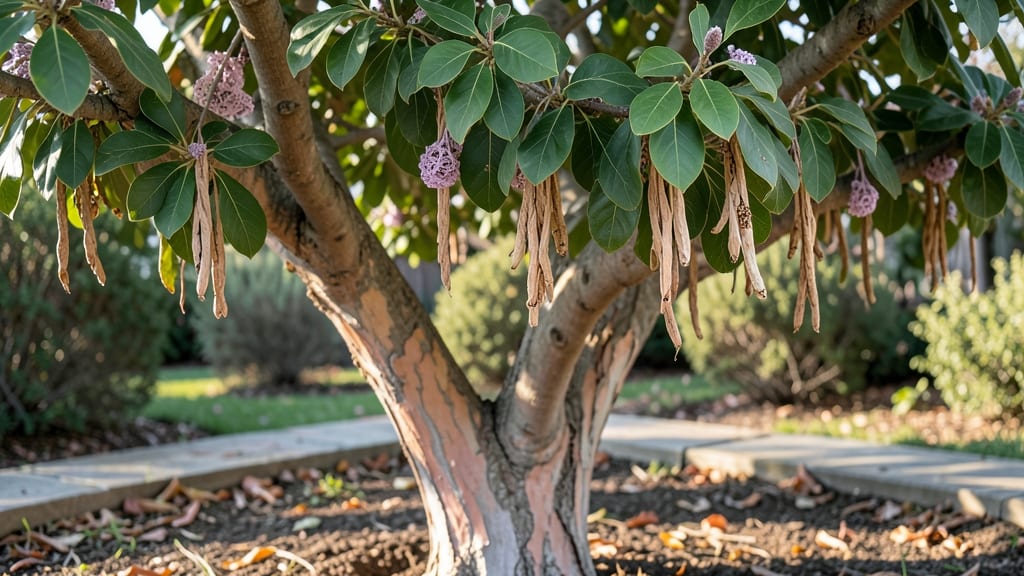
Harvesting crape myrtle seed pods without the frustrating twist-and-pull battle is possible—and it starts with knowing when they’re ready. 🌿 The pods turn from green to a papery brown, splitting open to reveal seeds that look like tiny, flat beans.
If you’ve ever struggled with stubborn pods, this method makes it effortless, saving you time and frustration while ensuring you collect viable seeds.
Timing is everything: wait until the pods are fully dry and beginning to crack open naturally. Grab a bucket, wear gloves, and gently shake the branches over it—no wrestling required.
Once you’ve collected them, spread the pods on a tray to finish drying indoors for a few days. This prevents mold and makes the seeds easier to extract later.
After drying, simply rub the pods between your hands or use a mortar and pestle to release the seeds. Store them in a paper envelope in a cool, dry place until you’re ready to plant.
The seeds need a cold stratification period to break dormancy, which mimics winter conditions and boosts germination rates.
Planting is straightforward: sow the seeds in well-draining soil, barely covering them, and keep them moist but not soggy. Place the container in a cold frame or refrigerator for 6-8 weeks before moving to a sunny spot.
With patience, you’ll see sprouts in just a few weeks—proof that growing crape myrtles from seed is totally doable!
📚 In This Guide
- What you need
- Instructions
- Tips and common mistakes
- Wrapping up and next steps
What you need
- ● Heavy-duty gloves (1 pair) – Opt for garden or work gloves with reinforced palms to protect against thorns and rough pods.
- ● Pruning shears or loppers (1 pair) – Choose bypass pruners (for clean cuts) or loppers (for thicker branches). Ensure they’re sharp and sanitized.
- ● Large trash bags or buckets (2–4) – 13-gallon contractor bags or 5-gallon buckets work best for collecting pods.
- ● Sturdy ladder or step stool (1) – A foldable extension ladder (for tall trees) or a 3-step stool (for shorter shrubs). Safety first!
- ○ Newspaper or cardboard (optional) – Spread underneath the tree to catch stray pods and debris.
- ● Garden twine or burlap sacks – For storing pods long-term or creating birdseed mixes.
- ● Dust mask – If your area has high pollen or dust, especially during dry seasons.
- ● Small hand pruner – For trimming stubborn pods stuck to branches.
- ● Spray bottle with water – To dampen pods if they’re too dry and brittle for easy removal.
- ● 🌞 Best time to harvest: Late fall to early winter (November–January), when pods turn brown and split open easily.
- ● ☀️ Weather check: Harvest on a dry, calm day to avoid slipping or spreading seeds prematurely.
- ● 🌿 Tree readiness: Wait until at least 50% of pods have opened—green pods are still developing seeds!
How to harvest crape myrtle seed pods without the twist struggle
Here's the easiest way to collect those fluffy pods—no stubborn branches or messy drops.
🌿 Step 1: Wait for Perfect Pod Maturity
Harvest pods only when they turn tan or light brown and open slightly at the seams. Green or firm pods won't release seeds properly, and overripe ones will crumble in your hands. I check mine in late fall after the first frost—cold weather signals ripeness. Gently rub a pod between your fingers; if it releases fluff easily, it's ready.
Don't wait until winter storms strip them from the tree. The pods dry best in 50-60°F conditions, so aim for October or early November in most climates. If you miss the window, pods may shatter unpredictably—leaving a fluffy mess on your lawn instead of your collection bag.
🪴 Step 2: Gather Pods with Minimal Mess
Use a long-handled grabber or pruning shears to snip pods directly into a large paper bag (the kind bread comes in). I avoid shaking branches—it scatters seeds everywhere and risks dropping them into grass where they'll sprout unpredictably. Instead, cut 3-4 inch stems with pods still attached, then transfer them to the bag.
Work from the bottom of the tree upward to avoid standing on ladders longer than necessary. If you're harvesting from the ground, lay a tarp under the tree first—this catches fallen pods and makes cleanup easier. Wear gloves if you're sensitive to the fine fibers; they can irritate skin during prolonged handling.
💧 Step 3: Dry and Clean the Seeds Indoors
Spread the pods on a clean, dry towel in a well-ventilated area for 3-5 days. I place mine near a south-facing window where indirect light helps dry them without overheating. Avoid direct sunlight—it can scorch the pods and make seeds less viable. Stir them daily to prevent mold from trapped moisture.
Once completely dry, place the pods in a paper bag and shake vigorously to release the seeds. The fluff will separate easily, leaving the small, hard seeds behind. Sift through the debris with your fingers or a fine mesh strainer to collect just the seeds. Store them in an airtight container in a cool, dark place until spring planting.
⏰ Step 4: Store Seeds Properly for Next Year
Label your container with the harvest date—crape myrtle seeds stay viable for 1-2 years if stored correctly. I use a small glass jar with a tight lid to prevent moisture buildup. Keep them in a garage or basement where temperatures stay 40-50°F—this mimics natural dormancy conditions and improves germination rates.
Don't refrigerate seeds unless you're storing them for more than 2 years. The cold can actually reduce viability over time. When ready to plant, soak the seeds in lukewarm water for 12 hours before sowing—this softens the tough outer coating and speeds up germination. Most seeds sprout within 2-4 weeks under ideal conditions.
☀️ Step 5: Plant Seeds at the Right Time
Sow crape myrtle seeds outdoors in early spring, about 4-6 weeks before your last frost date. I scatter them ¼ inch deep in well-draining soil mixed with a little sand to prevent waterlogging. Space them 6 inches apart—they'll need room to grow without competing for nutrients.
Keep the soil evenly moist but not soggy until germination. Young seedlings are delicate, so I cover them with row fabric for the first 2 weeks to protect from wind and pests. Once they reach 3-4 inches tall, thin them to 3 feet apart—this gives mature trees plenty of space to thrive without overcrowding.
Tips & tricks for perfect crape myrtle seed pod harvesting
Between us, harvesting these delicate pods can turn into a frustrating game of dodge-the-fluff if you don't plan ahead. Here's what nobody tells you about making this process smooth and efficient.
Timing is Everything: That 50-60°F drying window in Step 3 is your golden opportunity—don't rush it! I've learned the hard way that skipping this range leads to either moldy pods or brittle seeds that crumble when you try to separate them. If your home stays warmer than 65°F, move the drying area to a cooler spot like a basement or shaded porch. The goal is to dry them slowly and evenly, not speed up the process with heat.
Equipment Upgrade: While pruning shears work fine, I invested in a long-handled pod harvester (about $20) that lets me reach high branches without climbing. The secret is the built-in bag attachment that catches pods as you snip—no more dropping them or losing seeds to the wind. For ground collection, a wide-mouth laundry basket works better than a tarp because you can shake out debris more easily later. The key is minimizing contact with the pods to prevent premature fluff release.
Storage Wisdom: After you've collected your clean seeds in Step 4, here's a pro move: divide them into small paper envelopes before storing in your airtight container. I label each envelope with the year and variety (if you have multiple trees). This way, if you only need a few seeds for planting, you don't have to dig through the whole container. The paper also helps absorb any residual moisture better than plastic. And trust me on this—write the harvest date on the container lid in permanent marker, not just a label. I've seen too many containers get misplaced over winter!
Germination Hack: The 12-hour soak before planting in Step 5 is non-negotiable, but here's how to make it foolproof: use distilled water instead of tap water if your area has hard water. The minerals in tap water can create a crust on the seeds that prevents proper hydration. I also add a drop of dish soap to the water—just enough to reduce surface tension. This helps the water penetrate the tough seed coating more effectively, giving you better germination rates in those crucial 2-4 weeks.
Pro Tips for Crape Myrtle Seed Pods
- Between us, harvesting these delicate pods can turn into a frustrating game of dodge-the-fluff if you don't plan ahead.
- Timing is Everything: That 50-60°F drying window in Step 3 is your golden opportunity—don't rush it!
- Equipment Upgrade: While pruning shears work fine, I invested in a long-handled pod harvester (about $20) that lets me reach high branches without climbing.
Frequently asked questions
Got questions about harvesting crape myrtle seed pods? You’re not alone! Here are some of the most common queries—and their stress-free solutions.
When is the best time to harvest crape myrtle seed pods?
The ideal time is late fall to early winter (November–January in most regions) when pods turn brown and split open. Harvest before heavy rains or freezing temps to avoid mold or seed loss. If pods stay green, they’re not ready—wait a few more weeks!
What do I do if the pods won’t open on their own?
If pods stay stubbornly closed, try these tricks:
- Freeze them: Place pods in a paper bag and refrigerate for 24–48 hours. Cold temps mimic winter conditions, encouraging them to crack open.
- Gently crush: Use a hammer or mallet (wear gloves!) to tap pods lightly—just enough to release seeds without damaging them.
- Soak in water: Submerge pods in warm water for 1–2 hours to soften the husk, then squeeze to extract seeds.
Are crape myrtle seeds safe for birds and wildlife?
These pods are a natural food source for birds, squirrels, and small mammals. If you’re harvesting for gardening, leave some pods on the tree to support local wildlife. Just avoid pesticides near the tree to keep ecosystems healthy.
Can I use crape myrtle seeds to grow new trees?
Yes, but patience is key. Seeds need stratification (a cold period) to germinate. Mix seeds with moist sand, refrigerate for 60–90 days, then plant in well-draining soil. Germination can take 4–8 weeks. For faster results, buy grafted nursery plants!
What should I do if my tree has no seed pods?
Crape myrtles need full sun (6+ hours/day) and well-draining soil to produce pods. If your tree is young (<3 years old) or lacks blooms, it may not yet bear seeds. Prune in late winter to encourage new growth. If the tree is mature but pod-less, check for pests (like aphids) or nutrient deficiencies (add compost or fertilizer).
Wrapping up and next steps
Harvesting crape myrtle seed pods doesn’t have to be a tangled mess—with the right tools and techniques, you can collect them effortlessly! Whether you’re saving seeds for propagation or simply tidying up your yard, these pods offer a low-stress, high-reward way to enhance your garden. 🌿
Now that you’re equipped with the know-how, grab your gloves and start harvesting! Try experimenting with different methods to see what works best for your space. Happy gardening!