
Lawn
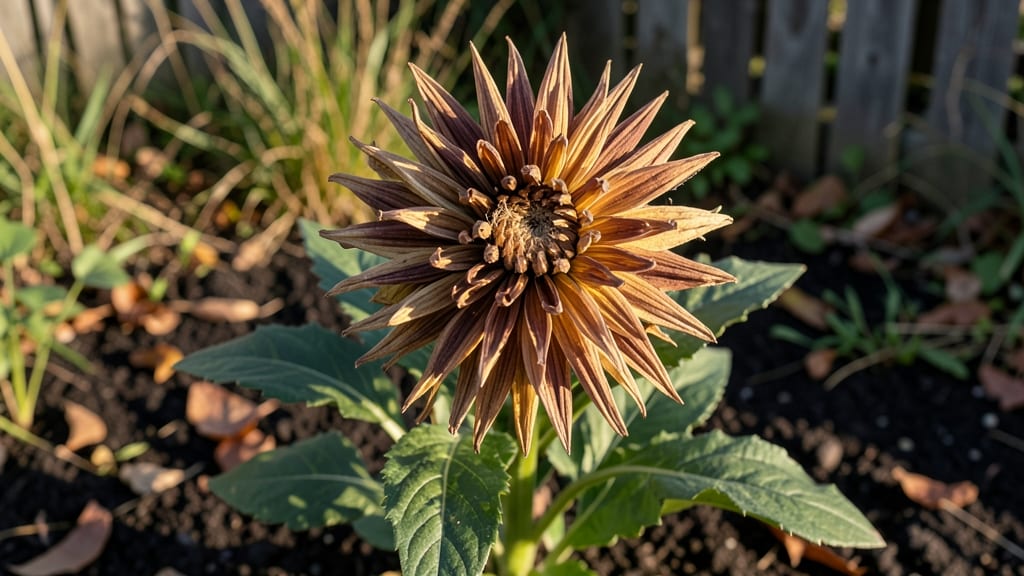
Those dried dahlia seed heads hold the secret to next year’s blooms—or they can become your garden’s most elegant decorations. 🌿 I’ve learned that what you do with them determines whether your dahlias thrive or your garden loses its star performers to winter.
The choice is yours: harvest seeds for propagation (though most gardeners prefer cuttings), preserve them for crafts, or let them stand as winter interest.
First, decide your goal: if you want more flowers, deadhead spent blooms before they form seed heads. Snip just above a leaf node with clean shears—this redirects energy to new growth instead of seed production.
For seed saving, let a few heads mature fully, then collect them in paper bags to dry completely before storing in a cool, dark place.
Dried seed heads add unexpected texture to winter arrangements or can be pressed into bookmarks, wreaths, or even framed art. Their papery layers catch light beautifully, turning garden waste into seasonal decor. Plus, removing them reduces hiding spots for pests like earwigs, keeping your garden healthier through fall.
Start with just one or two plants this season to practice—you’ll quickly see how these simple steps transform your dahlias from seasonal stars to year-round assets. The best part? No fancy tools or complicated steps, just sharp shears and a little patience.
📚 In This Guide
- What you need
- Instructions
- Tips and common mistakes
- Wrapping up and next steps
What you need
- ● Mature dahlia plants: Healthy, disease-free plants with fully developed seed heads (at least 2–3 inches in diameter). Aim for at least 3–5 plants for a good variety of seeds.
- ● Sharp pruning shears or scissors: Clean, sterilized tools to cut seed heads without damaging stems.
- ● Paper bags or breathable seed-saving envelopes: 4–6 bags (1–2 per seed head) to allow airflow and prevent mold.
- ● Permanent marker or labels: To label each bag with the dahlia variety and harvest date.
- ● Drying rack or mesh screen: A flat, elevated surface (like a cooling rack or hardware cloth over a table) for air-drying seed heads.
- ● Fine mesh sieve or colander: For gently separating seeds from dried flower debris.
- ● Small paper plates or trays: To catch seeds during the cleaning process.
- ● Desiccant packets (e.g., silica gel) – to speed up drying in humid climates.
- ● Freezer bags – for long-term seed storage (if not planting immediately).
- ● Handheld fan – to promote faster drying in warm, dry conditions.
- ● Magnifying glass – for inspecting seeds for viability before storage.
- ● A sunny, dry location (ideal temperature: 60–70°F) for drying seed heads.
- ● 1–2 weeks of patience: Seed heads need time to fully dry before handling.
- ● Knowledge of your dahlia varieties: Some dahlias (like dinnerplate types) may not produce viable seeds—focus on open-pollinated varieties.
How to harvest dahlia seed heads for reliable year-round storage
Here's my foolproof method for saving dahlia seeds that actually grow true—no more wasted effort or moldy seed heads.
🌿 Step 1: Select the Healthiest Blooms for Seed Saving
Wait until the last blooms of the season appear on your strongest, most vigorous plants. I always choose blooms that open fully but haven't started wilting—these will produce the most viable seeds. Avoid blooms from plants that showed signs of disease or pest damage earlier in the season.
Look for blooms with fully developed centers that are just beginning to close for the day. The seed heads form in these late-season flowers, and you'll see them start as tight, green buds before maturing into the classic dahlia seed head shape. Mark these stems with a small flag or note their location so you don't miss them.
✂️ Step 2: Harvest and Dry the Seed Heads Properly
When the seed heads turn brown and begin to split open naturally (usually about 6-8 weeks after flowering), it's time to harvest. Cut the entire seed head from the stem, leaving about 2 inches of stem attached. This prevents the seeds from falling out before you're ready to process them.
Hang the seed heads upside down in a dry, well-ventilated area with good air circulation. I use a mesh bag or paper bag with holes punched in it to prevent mold while allowing airflow. Place them where they won't get direct sunlight—bright indirect light is ideal. It typically takes 2-3 weeks for the seed heads to dry completely.
💧 Step 3: Clean and Store the Seeds Correctly
Once the seed heads are completely dry and brittle, gently rub them between your hands or use a small brush to release the seeds. You'll see the seeds easily separate from the dried flower parts. Remove any remaining chaff or debris by wafting the seeds in the air or using a fine mesh sieve.
Store the cleaned seeds in an airtight container with a desiccant packet to absorb any moisture. I like to use small glass jars with tight-fitting lids, keeping them in a cool, dark place. Label each jar with the dahlia variety and the year harvested. Properly stored seeds remain viable for 2-3 years, though germination rates decline after the first year.
☀️ Step 4: Test Germination Before Full Commitment
Before planting all your saved seeds, test a few to confirm they're viable. Plant 3-4 seeds in a small pot with moist seed-starting mix, covering them with about ¼ inch of soil. Keep the soil consistently moist and place the pot in a warm location with indirect light.
You should see germination within 2-4 weeks. If fewer than half of the seeds sprout, consider saving more seeds next season or supplementing with purchased seeds. Healthy seedlings will have strong stems and vibrant leaves—these are your indicators of good seed quality and proper storage conditions.
Tips & tricks for perfect dahlia seed head harvesting
Real talk: Saving dahlia seeds properly can be the difference between thriving plants next season and wasted effort. Here's what nobody tells you about making this process foolproof.
Selection Tip: Those late-season blooms are your golden ticket! I've learned this the hard way—choosing early blooms leads to weaker seeds. Look for flowers that are fully open but starting to close for the day, with no signs of wilting or pest damage. The centers should be fully developed but not yet browned. This is when the seed heads form properly for maximum viability.
Drying Strategy: The 2-3 week drying period in Step 2 is non-negotiable for mold prevention. I've ruined seed heads by rushing this process—always use a mesh bag or paper bag with holes to allow airflow while preventing mold. Place them in bright indirect light (no direct sun!) to maintain seed quality. A small fan on low can speed up drying by 30% without risking mold.
Storage Wisdom: That desiccant packet in your storage container isn't optional—it's your moisture insurance. I've seen seeds lose viability in just weeks when stored without proper drying. Label your jars with the variety AND year harvested—trust me, you'll forget otherwise! Store in a cool, dark place like a basement or pantry, not the fridge, which creates condensation that seeds hate.
Germination Test: The 2-4 week germination window in Step 4 gives you your answer. If you see strong seedlings with vibrant leaves within this time, your seeds are good to go. If fewer than half sprout, it's time to supplement with purchased seeds or try again next year. This test saves you from planting dozens of seeds only to be disappointed.
Pro Tips for Dahlia Seed Head
- Real talk: Saving dahlia seeds properly can be the difference between thriving plants next season and wasted effort.
- Selection Tip: Those late-season blooms are your golden ticket!
- Drying Strategy: The 2-3 week drying period in Step 2 is non-negotiable for mold prevention.
Frequently asked questions
Got questions about saving dahlia seed heads? You’re not alone! Here are the most common queries—plus simple answers to keep your dahlias thriving for next season.
How do I know when dahlia seed heads are ready to harvest?
Harvest seed heads when they’re completely dry and brown—usually 4–6 weeks after blooming. Gently squeeze the head; if seeds rattle inside, they’re ready! Avoid harvesting too early (seeds won’t germinate) or too late (they may scatter or sprout prematurely).
Can I save dahlia seeds from frost-bitten plants?
Yes! If your plants survive light frost, harvest only the undamaged seed heads before the first hard freeze. Store them in a cool, dry place (like a paper envelope) until spring. Frost won’t ruin viable seeds—just prioritize healthy heads.
What’s the best way to store dahlia seeds long-term?
Place dried seed heads in a paper bag or envelope (not plastic—it traps moisture). Label with the variety and date, then store in a cool, dark place (50–60°F). Seeds stay viable for 1–2 years; test germination yearly by planting a few.
Why aren’t my dahlia seeds germinating?
Common culprits: old seeds (past 2 years), improper drying (moisture = mold), or wrong timing (plant too early—wait until soil is 60°F+). Try soaking seeds in lukewarm water for 24 hours before planting to boost germination.
Can I grow a new dahlia from a single seed head?
Each seed head contains dozens of seeds, and they’ll grow into unique hybrids (not identical to the parent). For guaranteed colors, save seeds from open-pollinated varieties (avoid hybrids like ‘Café au Lait’).
Wrapping up and next steps
Harvesting dahlia seed heads is a simple yet rewarding way to preserve your favorite blooms for next season—no fancy tools or green thumbs required! 🌱 With just a few basic supplies and a little patience, you can turn those dried seed pods into next year’s vibrant garden stars.
Whether you’re a seasoned gardener or just starting out, this stress-free method ensures your dahlias thrive year after year.
Ready to give it a try? Start by selecting a few healthy seed heads from your garden this fall and follow the easy steps above. Soon, you’ll be sharing your newfound skills—and maybe even swapping seeds—with fellow plant enthusiasts! 🌸