
Lawn
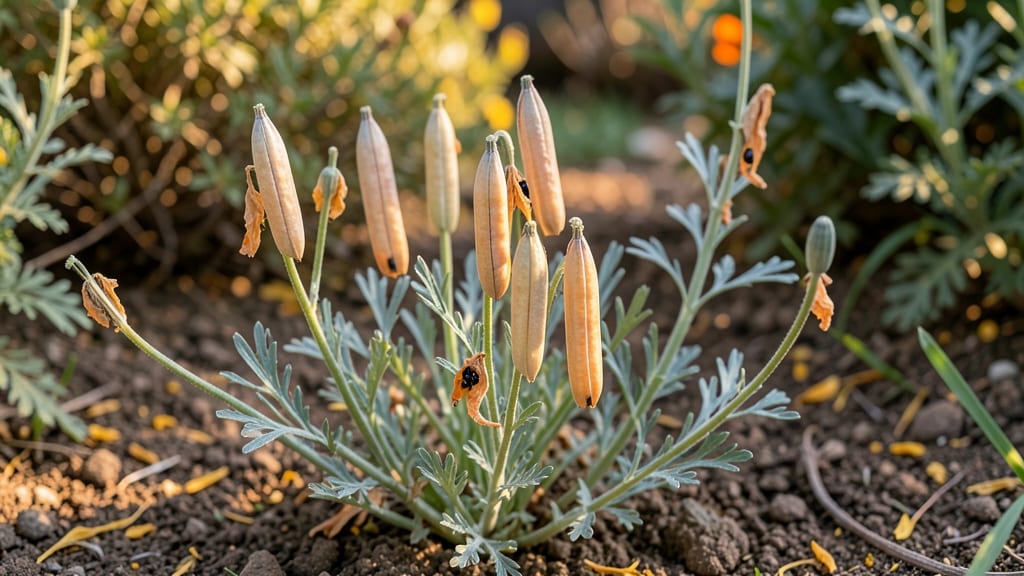
Poppy seed pods don’t have to be a stubborn puzzle—there’s a foolproof way to harvest the dry poppy seed pods without the twisting frustration. 🌸 I’ve collected hundreds of these delicate pods over the years, and the right timing and technique make all the difference.
The key is patience: wait until the pods turn from green to a papery brown, then use a simple method that protects both your hands and the seeds inside.
You’ll need just three things: scissors or pruning shears, a paper bag for collection, and a sunny day when the pods are fully dry. The best time to harvest is late summer or early fall, right before the pods start splitting open on their own.
A gentle twist or snip is all it takes—no brute force required. Once you’ve gathered them, let the pods dry completely indoors before opening them to release the seeds.
What you end up with is a treasure trove for next season’s garden or creative projects. These seeds are perfect for saving and replanting, and the dried pods themselves add a rustic charm to dried flower arrangements or homemade crafts.
The satisfaction of turning a simple harvest into something beautiful—or functional—is unmatched.
This method works for all poppy varieties, whether you’re growing them in your garden beds or containers. The same approach applies whether you’re harvesting for propagation, decoration, or just the joy of watching poppies return year after year. Let’s make your poppy season effortless and rewarding!
📚 In This Guide
- What you need
- Instructions
- Tips and common mistakes
- Wrapping up and next steps
What you need
- ● Dry poppy seed pods: Fully matured pods (brown, dry, and slightly papery to the touch). Aim for at least 20-30 pods for a small batch of seeds.
- ● Sharp pruning shears or scissors: Bypass pruners (for clean cuts) or small garden scissors (for precision). Avoid dull tools—they crush pods!
- ● Paper grocery bags or breathable fabric sacks: 2-3 medium-sized bags (14x18 inches) to collect pods without crushing them.
- ○ Glove (optional but recommended): Lightweight gardening gloves to protect hands from prickly stems.
- ● Flat tray or baking sheet: 12x18 inches lined with parchment paper for drying pods indoors (if needed).
- ● Small paintbrush or soft-bristle brush: 1-inch wide for gently coaxing seeds out of stubborn pods.
- ● Seed collection jars: Small mason jars or glass containers with lids for storing harvested seeds.
- ● Fan or hairdryer (low heat): To speed-dry pods indoors if humidity is high.
- ● Labeling tags: For marking jars with harvest dates or seed varieties.
- ● Knee pad or small stool: For comfortable harvesting if poppies are ground-level.
How to harvest poppy seed pods without the frustrating twist
Poppy pods are deceptively delicate—here's how to collect seeds without wrestling with stubborn stems.
🌱 Step 1: Wait for Pods to Fully Mature and Dry
Poppy seed pods need time to reach their prime for harvesting. Look for pods that have turned a deep, papery brown color and feel dry and crisp to the touch. When you gently tap a mature pod, you'll hear seeds rattling inside—that's your signal they're ready. Harvesting too early means unripe seeds, while waiting too long risks them scattering in the wind.
I check pods daily in the late afternoon when humidity is lowest. The ideal time is when the morning dew has evaporated but the sun hasn't yet weakened the stems. If you see the pods starting to split open on their own, that's your cue to harvest immediately before seeds spill everywhere.
☀️ Step 2: Harvest on a Dry, Sunny Morning
Choose a morning with clear skies and no rain forecasted for at least 24 hours. The stems will be at their strongest and driest, making them easier to handle. I like to harvest just after the dew has evaporated but before the midday heat sets in—around 9 or 10 AM works best in most climates.
Use clean, sharp pruning shears to snip the stems about 2 inches below the pod. This leaves enough stem attached to hang the pods for drying without making them top-heavy. Be gentle—poppy stems are brittle and will snap easily if you tug too hard.
🪴 Step 3: Dry the Pods Completely Before Handling
Hang the harvested pods upside down in a dry, well-ventilated area away from direct sunlight. I use a string or twine tied between two chairs or hooks, creating a loose bundle that allows air to circulate freely. The pods should dry for about 7-10 days, depending on your climate's humidity levels.
Check daily to ensure no moisture remains. A fully dried pod will feel light as a feather and make a hollow sound when tapped. If you notice any signs of mold or dampness, move the pods to a warmer, drier location immediately. Once completely dry, the pods will begin to open on their own, releasing seeds.
⏰ Step 4: Collect Seeds Without Twisting or Damaging Pods
Place a clean, dry bowl or paper bag beneath the drying pods. As they open, seeds will naturally fall into your container. This method eliminates the need to twist or force the pods, which often leads to broken stems and lost seeds. Be patient—this process can take several days as pods open at different rates.
If you're eager to speed things up, you can gently rub the dried pods between your palms over the bowl. The seeds will release easily once the pods are completely dry. Avoid shaking the pods vigorously, as this can cause them to split open prematurely and scatter seeds everywhere.
🌿 Step 5: Store Seeds Properly for Future Planting
Once all the seeds have been collected, transfer them to a clean, airtight container. I like to use small glass jars with tight-sealing lids, as they keep seeds dry and protected from pests. Label the container with the date and variety of poppy if you're saving seeds for future planting.
Store the seeds in a cool, dark place like a pantry or refrigerator. Poppy seeds can remain viable for up to 3 years when stored properly. Before planting, check for any signs of moisture or mold, and discard any seeds that look discolored or damaged. Proper storage ensures you'll have fresh, healthy seeds ready for your next growing season.
Tips & tricks for perfect poppy seed pod harvesting
Here's what I've learned after years of popping my fingers trying to twist stubborn pods—these tricks make all the difference.
Timing is Everything: In Step 1, when checking for maturity, look for pods that have fully turned brown and feel completely dry. If you harvest too early, seeds won't be fully developed, and if you wait too long, they'll scatter on their own. I've found that checking in late afternoon when humidity is lowest gives me the most accurate reading of true maturity.
The Harvesting Technique: For Step 2, when using pruning shears, cut about 2 inches below the pod—not closer. This length gives you enough stem to hang them properly without making the pods top-heavy. I've ruined more harvests than I can count by cutting too close and having pods fall during drying! Also, use clean shears—rust or dirt can transfer to your pods.
Drying Strategy: In Step 3, when hanging pods to dry, create a loose bundle rather than a tight one. Tight bundles prevent air circulation, which can lead to mold. I use a simple string between two chairs in my kitchen, keeping them out of direct sunlight but in a well-ventilated area. If your kitchen gets humid, consider moving them to a warmer, drier spot like a sunny windowsill (but not too sunny—direct light can fade the pods).
Seed Collection: For Step 4, patience pays off! When pods begin opening naturally, place a bowl directly underneath. If you're impatient, gently rub dried pods between your palms over the bowl—this releases seeds without damaging the pods. I've learned the hard way that shaking pods vigorously causes them to split open prematurely and scatter seeds everywhere.
Pro Tips for Dry Poppy Seed Pods
- Here's what I've learned after years of popping my fingers trying to twist stubborn pods—these tricks make all the difference.
- Timing is Everything: In Step 1, when checking for maturity, look for pods that have fully turned brown and feel completely dry.
- The Harvesting Technique: For Step 2, when using pruning shears, cut about 2 inches below the pod—not closer.
Frequently asked questions
Got questions about harvesting dry poppy seed pods? You’re not alone! Here are some of the most common queries—plus quick, stress-free solutions to make your harvest a breeze.
What’s the best time to harvest poppy seed pods?
Harvest pods when they’re fully dry and brown but before they split open. Aim for late summer to early fall (depending on your climate). Test readiness by gently tapping a pod—if seeds rattle inside, it’s time! Avoid harvesting in damp weather to prevent mold.
How long does it take for poppy pods to dry on the plant?
Drying time varies by variety and weather, but most pods take 4–6 weeks after flowering to fully mature. In hot, dry conditions, this process speeds up. Keep an eye on them daily to avoid overripening (when seeds scatter or pods crack open prematurely).
Can I harvest poppy seeds without twisting the pods?
If twisting feels tricky, try these gentle methods:
- Knocking: Place pods in a paper bag and shake gently to release seeds.
- Cutting: Snip pods open with clean scissors and tap out seeds.
- Freezing: Pop pods into the freezer for 24 hours to make them brittle, then crumble.
What if my poppy pods won’t dry or stay green?
Green, soggy pods usually mean too much moisture. Try these fixes:
If pods fail to form or seeds are sparse, don’t fret! Try:
If pods stay green for weeks, your climate may be too humid—consider growing poppies in containers for easier control.
Are there alternatives if my poppy seeds don’t develop?
Even a small harvest can yield enough seeds for next year’s garden!
Wrapping up and next steps
Harvesting dry poppy seed pods doesn’t have to be a frustrating battle—with the right tools and techniques, you can enjoy a stress-free, rewarding process that yields beautiful blooms and bountiful seeds year after year.
Whether you’re a seasoned gardener or just starting out, these tips will help you transform your garden into a seed-saving haven with ease.
Ready to put your newfound knowledge into action? Grab your gloves, a basket, and a sunny day—then head outside to collect those pods before they release their seeds to the wind! 🌬️ Your future seed collection (and maybe even a cozy cup of poppyseed tea!) awaits.