
Propagation
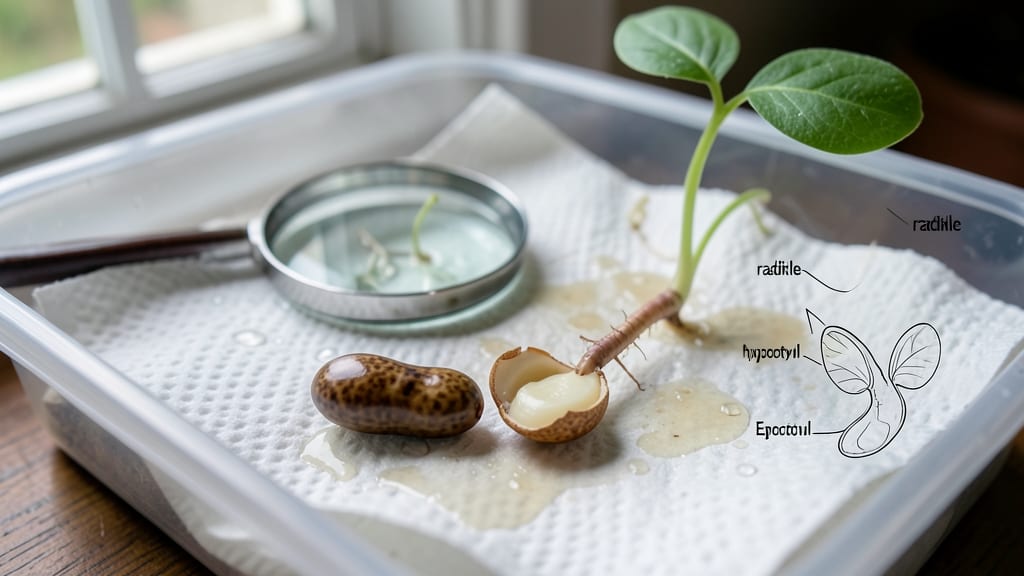
Explain seed germination starts with a tiny seed and ends with a plant breaking through soil—here's how the science works so you can grow sprouts reliably every time. 🌱 The process begins when water activates the seed's metabolism, triggering cell division and root growth that feels like magic until you understand it. Most seeds need three things: moisture to wake them up, warmth to speed up their metabolism, and darkness (or just the right light) to prevent drying out. My first germination attempts failed because I kept the seeds too dry or in bright light—they needed consistent dampness and shade to start. By the time you see that first tiny root (called the radicle), the seed has already done most of the hard work. What you're left with is a young plant ready to emerge, and knowing this science means you can troubleshoot problems before they happen. This isn't just theory—it's the foundation for growing everything from tomatoes to flowers. Let's break down each stage so your seeds sprout like clockwork.
📚 In This Guide
- What you need
- Instructions
- Tips and common mistakes
- Wrapping up and next steps
What you need
- ● Seeds: Choose fresh, high-quality seeds (e.g., beans, lentils, or radish). Quantity: 5–10 seeds per experiment.
- ● Growing Medium: Paper Towels or Coffee Filters: 2–3 sheets (for wet germination).
- ● Potting Soil: 1 small container (4–6 inches deep) or seed-starting mix (sterile).
- ○ Vermiculite or Perlite: ½ cup (optional, for moisture retention).
- ● Containers: Plastic Bag or Ziploc: Small (for humidity).
- ● Seed Trays or Small Pots: 1–2 (with drainage holes).
- ● Spray Bottle: For gentle watering (avoid over-saturating!).
- ● Measuring Cup: 1 cup (for soil/medium).
- ○ Ruler: Optional (to track seed depth: ½–1 inch for most seeds).
- ○ Heat Mat (Optional): For warm-season seeds (e.g., peppers, tomatoes).
- ● Grow Lights or Sunny Windowsill: 6+ hours of indirect light daily.
- ● Temperature Control: Ideal range: 65–75°F (18–24°C) (check seed packet for specifics).
- ● Humidity: High (80–90%) during germination (use a plastic wrap or bag if needed).
- ● Patience: Germination times vary (e.g., radish: 3–7 days; beans: 7–14 days).
- ○ Safety Gear (Optional): Gloves (if handling soil with potential contaminants).
How seed germination works: the science behind reliable sprouts
Here's the breakdown of what actually happens when a seed becomes a seedling—and how to optimize it.
🌱 Step 1: Understand the Four Key Requirements for Germination
Every seed needs four things to break dormancy: moisture, oxygen, proper temperature, and light exposure (though some seeds need darkness to start). Moisture activates enzymes that break down the seed's stored food, while oxygen allows cellular respiration to begin. I always check these four factors first—skipping any one means waiting weeks for results.
Temperature is the most critical. Most seeds germinate best between 65-75°F, but cool-season crops like lettuce prefer 50-60°F. If your home runs cooler, use a seedling heat mat to maintain consistent warmth. You'll see faster, more uniform germination when conditions are just right.
💧 Step 2: Soak Seeds to Kickstart the Process
Many seeds have tough outer coatings that slow water absorption. Soaking them for 12-24 hours in lukewarm water softens the shell and speeds up germination. I place seeds in a mesh bag or paper towel, submerge them, and leave them in a warm spot. You'll notice tiny roots (called radicles) emerging after just 8-12 hours—that's your signal to plant immediately.
Don't soak seeds with high oil content (like sunflower or melon) for more than 6 hours—they can absorb too much water and rot. For these, a quick 2-hour soak is enough. Always use fresh, non-chlorinated water to avoid damaging delicate seed tissues.
☀️ Step 3: Plant at the Correct Depth and Moisture Level
Planting depth matters more than most gardeners realize. Seeds need darkness to germinate, so bury them twice as deep as their diameter—that's usually ¼ inch for small seeds like lettuce and 1 inch for larger ones like beans. Press the soil gently around them to ensure good contact, but don't pack it down tightly.
Keep the soil consistently moist but never soggy during germination. I use a spray bottle to mist the surface daily rather than drowning it. You'll know moisture is right when the soil looks slightly damp but doesn't glisten. Overwatering now can cause seeds to rot before they sprout.
⏰ Step 4: Monitor for Sprouting and Provide Ideal Conditions
Germination time varies by seed type: fast growers like radishes sprout in 3-5 days, while slow ones like peppers take 10-20 days. Place a clear humidity dome or plastic wrap over the tray to retain warmth and moisture, but remove it immediately once 50% of seeds have sprouted—trapped humidity invites damping-off disease.
Once seedlings emerge, move them to bright, indirect light (or a grow light) within 24 hours. You'll see the first true leaves (not the initial seed leaves) appear in 7-14 days. These leaves indicate the plant is photosynthesizing properly—if they're pale or leggy, your light source is too weak or too far away.
🌿 Step 5: Thin and Harden Off for Strong Transplants
When seedlings have 2-3 true leaves, thin them to 1 plant per cell (or 3-4 inches apart in garden beds). Use scissors to snip unwanted seedlings at soil level—pulling risks disturbing roots. You'll notice the remaining plants grow stronger immediately with more space to develop.
Before transplanting outdoors, harden off seedlings by gradually exposing them to outdoor conditions over 7-10 days. Start with 1 hour of shade on day one, then increase time and sun exposure daily. You'll know they're ready when they tolerate full sun without wilting—this step prevents transplant shock and ensures survival.
Tips & tricks for perfect seed germination
Real talk: even the best seeds won't sprout if you miss these key details. Here's what nobody tells you about getting reliable sprouts every time.
Temperature Matters: That 65-75°F range isn't just a suggestion—it's where enzymes work most efficiently to break down seed coatings. I've seen germination rates double when I use a seedling heat mat for cooler climates. For cool-season crops like lettuce, don't let temps drop below 50°F or you'll delay sprouting by days. Place your seed tray on top of your fridge (not inside) for a free heat source if you don't have a mat.
Soaking Strategy: The 12-24 hour soak time is your window to see radicles emerge—those tiny white roots signal it's planting time. Here's the thing: if you see roots after just 8-12 hours, plant immediately! Waiting longer risks drying out those delicate roots. For oily seeds like sunflower, cut that soak to 2 hours max or they'll absorb too much water and rot.
Planting Depth Precision: That "twice the seed diameter" rule isn't just theory—it's about creating the perfect dark, moist environment. For ¼ inch deep lettuce seeds, use a pencil to make tiny holes. For 1 inch deep beans, press gently with your thumb. Too shallow and seeds dry out; too deep and they won't reach light. I use chopsticks to create uniform planting holes when working with large batches.
Light Transition: The moment you see 50% of seeds sprout, remove that humidity dome immediately—trapped moisture causes damping-off disease faster than you can say "failed batch." Within 24 hours of sprouting, move seedlings to bright indirect light. I place mine under my kitchen window with a sheer curtain to filter harsh afternoon sun. You'll notice the difference when seedlings stand tall instead of stretching toward light.
Pro Tips for Explain Seed Germination
- Real talk: even the best seeds won't sprout if you miss these key details.
- Temperature Matters: That 65-75°F range isn't just a suggestion—it's where enzymes work most efficiently to break down seed coatings.
- Soaking Strategy: The 12-24 hour soak time is your window to see radicles emerge—those tiny white roots signal it's planting time.
Frequently asked questions
Got questions about seed germination?
You’re not alone! Here are answers to the most common queries—from timing to troubleshooting—to help you grow confidently.
How long does it take for seeds to germinate?
Germination time varies by seed type. Fast growers like radishes sprout in 3–7 days, while slower seeds (e.g., peanuts or tomatoes) may take 10–21 days. Check your seed packet for specifics—patience is key!
Can seeds germinate in cold weather?
Most seeds need warmth (60–85°F) to germinate, but some—like spinach or lettuce—thrive in cooler temps (50–60°F). For cold climates, use a heat mat or start seeds indoors. Avoid freezing temps—seeds won’t sprout if frozen!
What if my seeds rot instead of sprouting?
Overwatering or poor drainage causes rot. Ensure pots have drainage holes and use a well-draining mix (like 50% peat/50% perlite). Water lightly—keep soil moist, not soggy. If mold appears, reduce water and improve airflow.
Do I need special lights for germination?
Most seeds don’t need light to germinate—they sprout underground! Once sprouts emerge (1–2 inches tall), provide 12–16 hours of light/day (grow lights or a sunny windowsill works). Skip lights during the germination phase unless your seeds are light-dependent (e.g., wheatgrass).
Can I reuse old seeds for germination?
Old seeds may have lower viability. Test them by soaking in water—if they sink, they’re likely still good. Store seeds in a cool, dry place (like the fridge) to extend shelf life. Most lose potency after 1–5 years, depending on the type.
What’s the best way to speed up germination?
Try these pro tips:
- Soak seeds overnight in warm water (except large seeds like beans).
- Use a heat mat (70–85°F) for faster sprouting.
- Mist seeds with a spray bottle to keep moisture consistent.
- Avoid overcrowding—give roots space to stretch.
Wrapping up and next steps
Understanding seed germination unlocks the magic of turning tiny seeds into thriving plants! 🌱 From moisture and warmth to light exposure, each step plays a crucial role in kickstarting life. Whether you're a gardening novice or a seasoned green thumb, mastering these basics ensures reliable sprouts every time.
Ready to put your knowledge into action? Start small—try germinating a few easy seeds like beans or sunflowers—and watch the process unfold. Soon, you’ll be growing a lush garden with confidence! Happy planting! 🌿