
Propagation
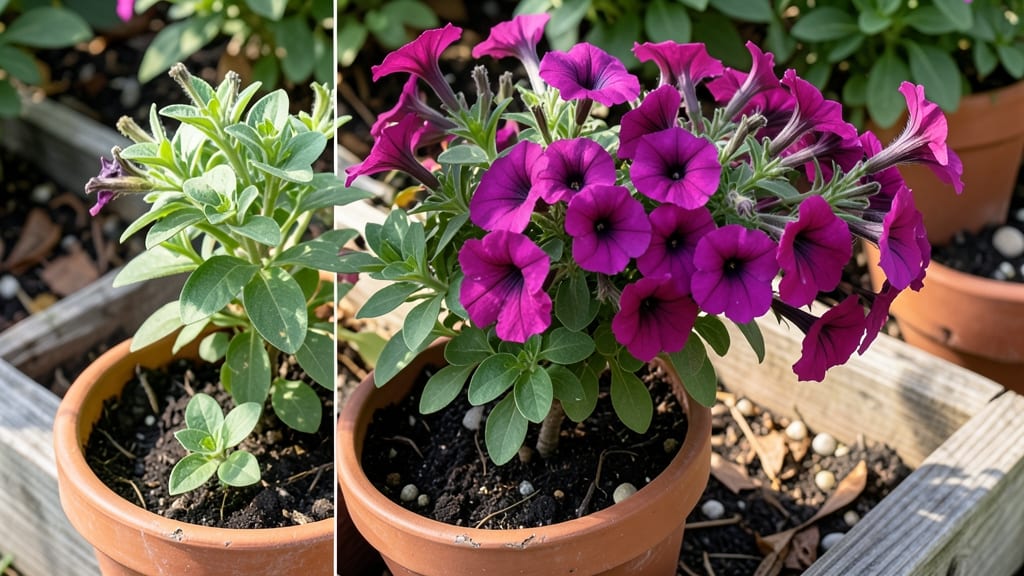
From seed to the blossom, cold-triggered germination turns stubborn seeds into thriving blooms by mimicking nature's timing. 🌱 I've watched finicky seeds like snapdragons and sweet peas refuse to sprout until they experience a chill—just like their wild ancestors.
This method isn't just science; it's a way to coax plants into blooming reliably, even in unpredictable climates.
The secret lies in a simple soil temperature shift: cool (40-50°F) for 4-6 weeks, then warmth (65-75°F) to kickstart growth. You'll need a seed-starting tray, a refrigerator shelf, and a sunny windowsill or grow light. Most seeds need 30-60 days of this cold treatment before transplanting—no fancy equipment required.
By the time you're pinching back leggy seedlings, you'll be rewarded with earlier, more abundant blooms than store-bought plants. The flowers arrive with extra vigor because the plants recognize the seasonal shift. Even my black thumb's snapdragons now produce 6-inch spikes of color by midsummer.
Works for biennials, perennials, and many annuals—just check your seed packets. The same technique extends blooming seasons and helps plants establish stronger roots. Let's get those seeds chilling!
📚 In This Guide
- What you need
- Instructions
- Tips and common mistakes
- Wrapping up and next steps
What you need
- ● Seeds: Choose cold-hardy annuals or perennials (e.g., Lobelia, Sweet Alyssum, Calendula). Start with 10–20 seeds per variety for experimentation.
- ● Growing Medium: Seed-starting mix: 1–2 quart-sized trays (sterilized, peat-based or coco coir blend). Avoid garden soil—it’s too dense!
- ○ Optional: Perlite or vermiculite (1 part per 4 parts mix) for drainage.
- ● Containers: Seed trays: 1020-cell trays (or 2–3" pots) with drainage holes.
- ○ Optional: Clear plastic dome or humidity tent (to retain moisture during stratification).
- ● Refrigerator or Cold Frame: Set to 35–45°F (2–7°C). Use a zip-top bag with a damp paper towel (for moisture) or a stratification box (DIY or store-bought).
- ● Timer or Calendar: Track stratification days (varies by seed type; 4–12 weeks typical).
- ○ Optional: Moisture meter (to check soil dampness without overwatering).
- ● Grow Lights: LED or fluorescent (12–16 hrs/day) or a sunny south-facing windowsill.
- ● Fertilizer: Balanced liquid fertilizer (e.g., 5-5-5) diluted to ½ strength once true leaves appear.
- ○ Heat Mat (Optional): For faster germination (70–75°F bottom heat).
- ● Knowledge: Research your seed’s cold requirement (e.g., Delphinium needs 6–8 weeks; Snapdragons thrive with 3–4 weeks).
- ● Patience: Cold stratification is a slow process—plan ahead for blooms!
- ● Space: Ensure your cold spot (fridge shelf, garage, or cold frame) stays consistently chilly and dark.
Step-by-step guide to cold-triggered germination for year-round blooms
Cold stratification tricks seeds into thinking winter's passed—here's how to break dormancy reliably.
🌱 Step 1: Select and Prepare Seeds for Stratification
Choose seeds that require cold treatment—look for labels mentioning "cold stratification" or "winter sowing." I always test a few seeds first by placing them in a damp paper towel for 48 hours to verify viability. Discard any that feel mushy or moldy at this stage.
For hard-coated seeds like poppies or delphiniums, lightly nick the outer shell with a sharp knife or sandpaper to encourage moisture penetration. This small cut won't damage the seed but helps water reach the embryo faster. Place seeds in a quart-sized zip-top bag with a damp paper towel—never soak them directly.
🧊 Step 2: Apply Cold Treatment with Precision
Store the sealed bag in your refrigerator's crisp drawer (typically 34-38°F) for 4-12 weeks, depending on the seed type. Most perennials and biennials need 8-12 weeks, while some annuals like sweet peas only require 4-6 weeks. Check weekly—if the paper towel dries out, mist it lightly and reseal.
Real talk: Don't skip this step. Skipping stratification mimics nature's cues, but seeds won't germinate without it. I mark each bag with the seed type and start date using a permanent marker—after 6 weeks, I forget which seeds are which!
☀️ Step 3: Transition to Warmth and Light
After the cold period, transfer seeds to 65-75°F conditions. I use a seedling heat mat under my grow trays to maintain consistent warmth. Place containers under grow lights (14-16 hours daily) or in a south-facing window—natural light works but often lacks intensity.
Wait 7-21 days for germination, depending on the species. You'll see the first true leaves emerge as small, rounded cotyledons. If nothing sprouts after 21 days, the seeds may not have stratified long enough or could be nonviable. Don't overwater now—keep the soil evenly moist but never soggy.
🌿 Step 4: Harden Off and Transplant
Once seedlings show 3-4 true leaves, begin hardening off by placing them outdoors in partial shade for 1-2 hours the first day. Gradually increase exposure over 10-14 days, ending with full sun. This mimics spring conditions and prevents transplant shock.
Transplant after the last frost when soil reaches 60°F. Dig holes twice as wide as the root ball and slightly deeper to encourage root spread. Water deeply at planting to eliminate air pockets. Mulch with 1-2 inches of organic material to retain moisture and regulate soil temperature.
⏰ Step 5: Maintain Conditions for Reliable Blooms
Keep newly transplanted seedlings in partial shade for the first week, then gradually introduce full sun. Water deeply every 2-3 days until established—check by feeling the soil 1 inch down. If it's dry, water; if damp, wait.
Fertilize lightly with a balanced 10-10-10 formula 4 weeks after transplanting. Over-fertilizing now encourages leafy growth at the expense of blooms. Watch for first flower buds in 8-12 weeks—this is your reward for patience!
Tips & tricks for perfect cold-triggered germination
Here's what nobody tells you about getting seeds to bloom reliably—these tricks make all the difference.
Seed Viability Test: That initial 48-hour damp paper towel test is your secret weapon. I've wasted countless seeds by skipping this—mushy seeds mean poor germination later. Pro tip: Use a clear plastic bag to contain the damp towel; condensation will show you if moisture is trapped properly. This small step prevents heartbreak down the road.
Temperature Precision: The 34-38°F range in your fridge's crisp drawer isn't just arbitrary—it mimics natural winter conditions. If your fridge runs cooler (some do!), move bags to the vegetable drawer instead. For extra reliability, use a thermometer to monitor temps—fluctuations beyond 5°F can break dormancy unevenly. Most seed packets specify exact needs, so check yours before committing to the full 8-12 weeks.
Light Transition Strategy: When moving seeds from cold to warmth (65-75°F), don't rush the 14-16 hours of light. I place my trays under LED grow lights first—they're more consistent than windows. Watch for the first true leaves (not the initial cotyledons) before increasing light exposure. This gradual approach prevents shock that can stall germination. The 7-21 day window is real, but some seeds like foxgloves take the full 21 days—patience pays off.
Transplanting Secret: Those holes should be twice as wide AND slightly deeper than the root ball. The extra depth encourages roots to spread horizontally first, creating a stronger base. I use a pencil to loosen the sides of the hole before inserting seedlings—this breaks up compacted soil and helps roots establish faster. Mulch isn't just decorative; that 1-2 inch layer regulates soil temp and retains moisture exactly where new roots need it most.
Pro Tips for From Seed To Blossom
- Here's what nobody tells you about getting seeds to bloom reliably—these tricks make all the difference.
- Seed Viability Test: That initial 48-hour damp paper towel test is your secret weapon.
- Temperature Precision: The 34-38°F range in your fridge's crisp drawer isn't just arbitrary—it mimics natural winter conditions.
Frequently asked questions
about cold-triggered germination and year-round blooms—because every gardener deserves clarity!How long does cold stratification need to last for reliable germination?
Most seeds benefit from 4–12 weeks of cold stratification, depending on the species. For example, Echinacea (coneflower) thrives with 6–8 weeks, while Delphinium may need 8–12. Check seed packets for specifics—patience pays off for stronger blooms!
Can I use my home fridge for cold stratification?
A standard fridge (34–40°F) works perfectly for most seeds. Place them in a sealed container with damp (not soggy) potting mix or paper towels. Label everything to avoid mix-ups—some seeds, like peony, need 2–3 months of chilling. Pro tip: Wrap containers in plastic wrap to retain moisture.
What if my seeds sprout too early or not at all after stratification?
If seeds sprout prematurely (e.g., in warm storage), they may be weak. Store them in the vegetable crisper (coldest part) or a dedicated seed fridge. If they won’t sprout, check:
- Moisture levels (damp, not wet)
- Seed viability (test with a float test)
- Stratification duration (some need longer)
When is the best time to plant stratified seeds for spring blooms?
Plant 4–6 weeks before your last frost date for optimal growth. For example, in Zone 5, aim for mid-April. Hardier perennials (like black-eyed Susan) can handle early planting, while tender annuals (e.g., larkspur) need warmer soil. Mulch lightly to protect young shoots from late frosts.
Are there any seeds that don’t need cold stratification?
Yes! Tropical or warm-climate seeds (e.g., marigold, sunflower, or impatiens) thrive without chilling. Others, like tomatoes or peppers, germinate faster in warmth. Always read seed packets—some hybrids skip stratification entirely. For tricky seeds, a heat mat (70–80°F) can speed up germination.
Bonus Tip:
Keep a seed journal! Track stratification times, sprouting dates, and bloom results. Over time, you’ll fine-tune your approach for reliable, stunning blooms every season. Happy growing!
Wrapping up and next steps
From seed to blossom isn’t just a journey—it’s a rewarding adventure that brings beauty and life to your garden year-round! 🌱 By mastering cold-triggered germination, you’ve unlocked the secret to reliable, vibrant blooms no matter the season.
Whether you’re a seasoned gardener or just starting, every tiny seed holds the potential for stunning transformations.
Now, take that knowledge and put it into action! Start small—try germinating a few seeds this week, experiment with chilling methods, and watch your confidence (and blooms!) grow. Your garden’s future is in your hands—so get planting! 🌸