
Propagation
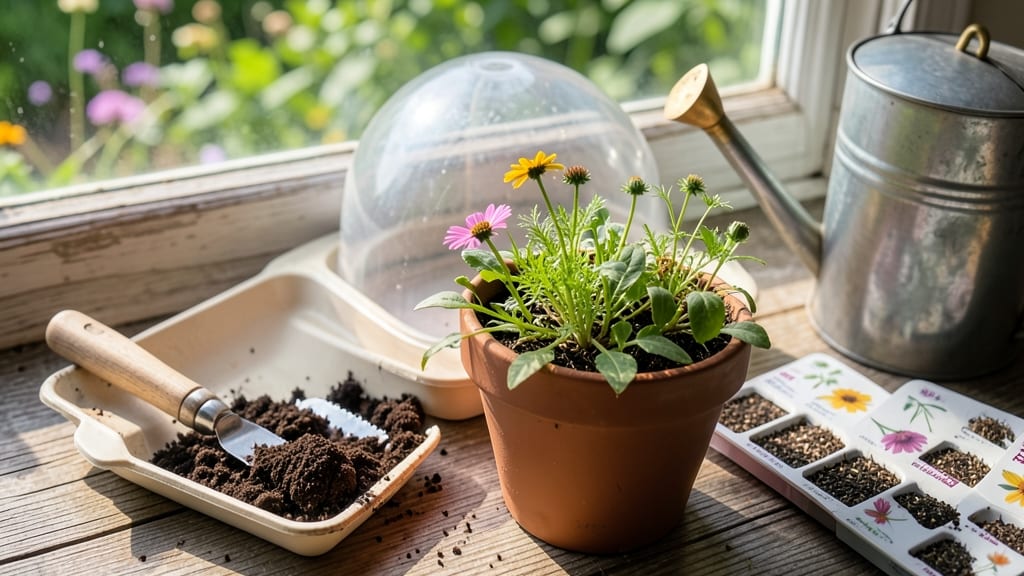
Growing wildflowers from seed in pots lets you transform a sunny balcony into a buzzing pollinator paradise without the weeds or the mess. 🌸 I've turned my concrete terrace into a riot of color using nothing but a few containers and a handful of seeds—no fancy equipment required.
The secret starts with the right soil mix: lightweight potting soil with a touch of sand or perlite to keep it airy. Wildflower seeds need good drainage, or they'll rot before they sprout.
Choose fast-growing annuals like cosmos, zinnias, or sunflowers for instant color, or mix in some perennials like black-eyed Susans for long-term blooms. By late spring, you'll have a pot overflowing with blooms that attract bees, butterflies, and hummingbirds.
The fragrance alone makes it worth the effort—nothing beats the scent of sun-warmed wildflowers on a summer evening. This method works for any space, from city balconies to rural patios. Here's how to get started without the overwhelm.
📚 In This Guide
- What you need
- Instructions
- Tips and common mistakes
- Wrapping up and next steps
What you need
- ● Wildflower seeds: Choose a pre-mixed wildflower blend (e.g., 1–2 tbsp per pot) or single-species seeds like cosmos or zinnias. Look for neonicotinoid-free options for pollinator safety.
- ● Containers: 3–6-inch drainage pots (terracotta or plastic) with drainage holes (1–2 per seed type).
- ● Window boxes or hanging baskets (6+ inches deep) for larger displays.
- ● Potting mix: A lightweight, well-draining blend (e.g., 50% coco coir + 50% perlite/vermiculite) or a seed-starting mix with added sand.
- ● Grit or perlite: 1–2 tbsp per pot to improve drainage.
- ● Watering can or spray bottle: With a fine rose nozzle for gentle watering.
- ● Plant labels: Waterproof markers or stakes to track varieties.
- ● Heat mat: For faster germination if starting indoors in cool climates.
- ● Grow lights: 12–16 hours/day if natural light is <7 hours/day.
- ● Slow-release fertilizer: Pellets mixed into soil (follow package rates).
- ● Mulch (e.g., straw or pebbles): To retain moisture in hot climates.
- ● Tweezers: For precise seed placement.
Step-by-step guide to growing wildflowers in pots
Transform your balcony into a vibrant wildflower haven with minimal effort—here's how to turn seeds into blooms.
🌱 Step 1: Select the Right Containers and Soil Mix
Choose containers with drainage holes at least 6 inches deep—wildflowers resent soggy roots. I prefer terracotta pots because they wick away excess moisture naturally. For four pots, you'll need about 4 gallons of lightweight potting mix combined with 1 gallon of perlite or coarse sand to improve drainage.
Fill each pot to 1 inch below the rim with the mix, then tap gently to settle without compacting. Wildflowers thrive in lean soil, so avoid heavy garden soil—it compacts and suffocates roots. Moisten the mix until it feels like a wrung-out sponge: damp but not dripping.
🌱 Step 2: Scatter Seeds and Lightly Cover
Wildflower seeds are tiny, so I use a paper towel to sprinkle them evenly across the soil surface. Aim for about 100 seeds per square foot—don't worry about spacing, as they'll self-thin naturally. A light dusting of ¼ inch of fine soil or vermiculite keeps seeds in place without burying them too deep.
Here's the thing—wildflower seeds need light to germinate. Pressing them too firmly or covering too thickly will delay sprouts. Mist the surface with water until the soil looks uniformly damp, then place pots in a shallow tray filled with ½ inch of water to maintain moisture from below.
☀️ Step 3: Provide Warmth and Bright Light
Wildflowers germinate best at 65-75°F, so place pots on a seedling heat mat if your balcony runs cooler. Without one, germination may take 2-4 weeks instead of the usual 7-14 days. Position pots in the sunniest spot possible—wildflowers need 6+ hours of direct light daily to grow strong.
Watch for the first green sprouts peeking through the soil. Once 50% of seeds have germinated, remove the water tray to prevent fungal issues. Thin seedlings to 3-4 inches apart when they reach 2 inches tall, using small scissors to snip unwanted plants at soil level.
💧 Step 4: Water Deeply and Maintain Consistency
Wildflowers establish deep roots, so water deeply once a week until the soil feels dry 2 inches down. Overwatering is the fastest way to kill them—let the top inch dry out between waterings. I use a watering can with a narrow spout to direct moisture to the base without disturbing seedlings.
Fertilizer isn't necessary for wildflowers, but a balanced 10-10-10 fertilizer applied at half-strength monthly encourages lush blooms. Stop fertilizing once flowers appear—too much nitrogen produces leafy growth at the expense of blooms.
✂️ Step 5: Deadhead and Enjoy the Blooms
When flowers fade, snip spent blooms back to the nearest set of leaves with clean scissors. This encourages more blooms and prevents self-seeding where you don't want it. Wildflowers often rebloom throughout the season if you keep deadheading consistently.
Move pots to a sheltered spot if heavy rain is forecast—wildflowers dislike soggy conditions. With proper care, your balcony will burst with color in 8-12 weeks, attracting bees and butterflies while requiring almost no maintenance.
Tips & tricks for perfect wildflower blooms in pots
These pro insights will help you avoid common pitfalls and maximize your balcony garden's potential.
Container Selection: Terracotta pots are ideal because they wick away excess moisture naturally, but plastic pots work too—just make sure they have drainage holes. I've found that larger pots (12+ inches) actually produce more blooms because they allow for deeper root systems. For four pots, you can use a mix of sizes, but keep them all at least 6 inches deep to prevent root crowding.
Light Requirements: Wildflowers need 6+ hours of direct sunlight daily, but if your balcony only gets partial sun, choose shade-tolerant varieties like black-eyed Susans or coneflowers. South-facing balconies are best, but west-facing spots work too—just rotate pots weekly so all sides get equal light exposure. The 65-75°F germination range is critical: cooler temps delay sprouts, while hotter temps can dry out seeds too quickly.
Watering Wisdom: The once-a-week deep watering rule works best when you check soil moisture by sticking your finger 2 inches down. If it feels damp, wait another day. I've learned that watering in the morning prevents fungal issues from overnight moisture. For even distribution, place pots on a tray of pebbles with water—this raises humidity around seedlings without overwatering the soil.
Soil Mix Secrets: That 1 gallon of perlite or coarse sand isn't just for drainage—it also prevents soil compaction. I've had success using a 70/30 mix of potting soil to perlite for even better aeration. Avoid garden soil entirely: its clay content suffocates wildflower roots, which need loose, airy conditions to thrive. Pro tip: Sterilize your soil mix by baking it at 200°F for 30 minutes to kill any fungal spores before planting.
Pro Tips for Growing Wildflowers From Seed In Pots
- These pro insights will help you avoid common pitfalls and maximize your balcony garden's potential.
- Container Selection: Terracotta pots are ideal because they wick away excess moisture naturally, but plastic pots work too—just make sure they have drainage holes.
- Light Requirements: Wildflowers need 6+ hours of direct sunlight daily, but if your balcony only gets partial sun, choose shade-tolerant varieties like black-eyed Susans or coneflowers.
Frequently asked questions
Got questions about growing wildflowers from seed in pots? You’re not alone! Here are some of the most common queries—and straightforward answers—to help you succeed with your sunny balcony blooms.
What’s the best time of year to start wildflower seeds in pots?
For most wildflowers, late winter to early spring (6–8 weeks before your last frost date) is ideal. This gives seedlings time to establish before summer heat. If you’re in a mild climate, you can also try fall sowing—just cover pots lightly with mulch to protect them over winter.
Do I need special soil for wildflower seeds?
Nope! Wildflowers thrive in well-draining, sandy, or loamy soil—just like their natural habitats. Mix your potting soil with 20% perlite or coarse sand to improve drainage. Avoid heavy, clay-like mixes that can suffocate tiny seeds. Pro tip: A seed-starting mix works great for delicate varieties like lupines or poppies.
How do I keep my wildflower pots from drying out too fast?
Wildflower seeds hate soggy soil but despise drought. Place pots in a shady spot until sprouts appear (about 1–3 weeks), then move them to sunlight. Water gently from the bottom (by placing pots in a tray of water for 10–15 minutes) to avoid disturbing seeds. Once established, let the soil dry slightly between waterings—this mimics their natural conditions!
Can I grow wildflowers in small pots or containers?
Wildflowers are space-efficient and do well in pots as small as 4–6 inches deep. Just ensure pots have drainage holes and group 3–5 seeds per container for a fuller look. For taller varieties (like sunflowers or coneflowers), opt for deeper pots (8+ inches) to support their roots.
Why aren’t my wildflower seeds germinating?
Common culprits include too much moisture (causing rot), poor soil contact (seeds need light to germinate), or temperature extremes (most need warmth, around 60–75°F). Try pressing seeds lightly into soil (don’t bury deep) and placing pots in a warm, sunny windowsill or under grow lights. Patience is key—some wildflowers (like prairie smoke) can take 3–4 weeks to sprout!
How do I prevent weeds from overtaking my wildflower pots?
Weeds compete for nutrients, so mulch lightly with straw or pebbles once seedlings are 2–3 inches tall. Avoid dense mulch, which can smother delicate wildflowers. Hand-pull weeds carefully (they’ll have shallow roots) and space seeds 6–12 inches apart to reduce crowding. A slow-release fertilizer (like compost tea) can also help wildflowers outcompete weeds naturally.
Wrapping up and next steps
Growing wildflowers from seed in pots is a rewarding way to bring vibrant color and life to your sunny balcony—without the fuss! 🌸 Whether you’re a beginner or a seasoned gardener, these hardy blooms thrive in containers with minimal effort.
Start small, experiment with varieties, and soon you’ll enjoy a fragrant, pollinator-friendly oasis right outside your door.
Ready to take the next step? Pick your favorite wildflower seeds, grab a pot, and let nature do the rest! 🌱 For even more inspiration, check out our guide on creating a full balcony garden—happy planting!