
Propagation
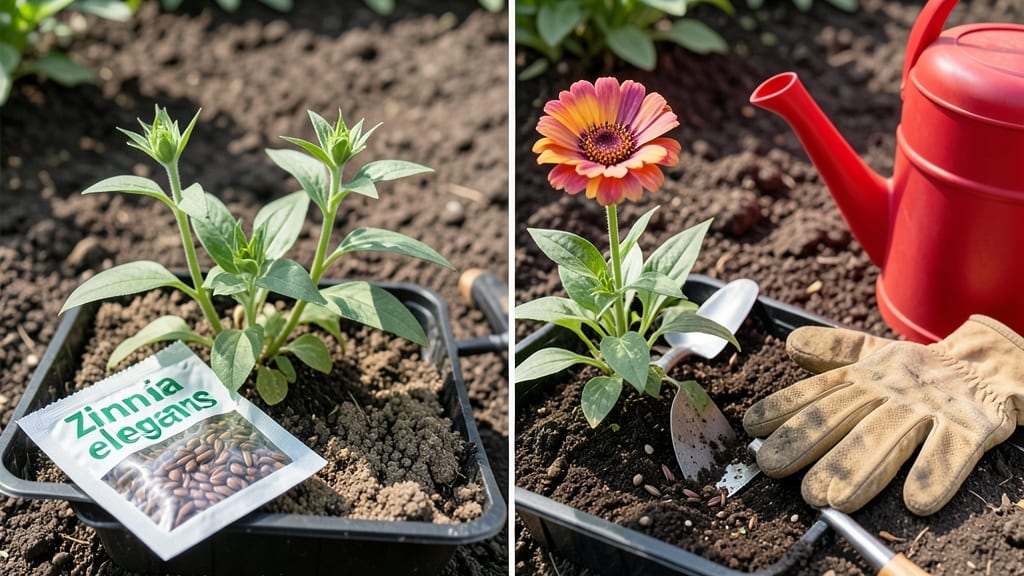
Growing zinnias from seed outdoors means vibrant blooms in just six weeks—if you get the light right from day one. 🌻 I’ve watched those first fuzzy seedlings stretch toward sunlight and explode into color, and I’ll show you exactly how to replicate that magic in your garden, even if you’ve never grown from seed before.
The secret isn’t complicated: zinnias thrive with direct sunlight and warm soil, but they need a little help getting started. Plant them too early, and they’ll bolt; too late, and you’ll miss peak blooms.
The trick is timing—wait until the soil warms to 60°F, then scatter seeds ¼-inch deep in loose, well-draining soil. No fancy equipment needed, just patience and a sunny spot.
By week six, you’ll have foot-tall plants bursting with blooms, and the best part? Zinnias keep producing all summer long with minimal fuss. They’re drought-tolerant once established, attract pollinators, and even cut beautifully for bouquets. The only real challenge is keeping them upright—more on that later.
Whether you’re sowing in a raised bed, in-ground plot, or even containers, this method works for any sunny garden. The key is consistency: water at the base, not overhead, and watch those seeds transform into a nonstop floral show by midsummer.
Ready to skip the nursery and grow your own?
📚 In This Guide
- What you need
- Instructions
- Tips and common mistakes
- Wrapping up and next steps
What you need
- ● Ready to grow those vibrant zinnias from scratch? Here’s everything you’ll need to get started—no fancy tools required, just the basics for a burst of color in your garden! 🌻
- ● With these supplies, you’re all set to germinate, grow, and enjoy zinnias in record time! 🌟
Step-by-step instructions for growing zinnias from seed outdoors
Here's how to get vibrant zinnias blooming in just six weeks using smart timing and simple tricks.
🌱 Step 1: Time Your Planting for Warm Soil
Zinnias only germinate well when soil temperatures reach 60°F—any cooler and seeds rot in the ground. For most climates, this means waiting until 2-4 weeks after your last frost date, when daytime temperatures consistently stay above 65°F. I check soil temperature with a cheap thermometer buried 2 inches deep—that's where seeds will be.
If you're impatient, start seeds indoors 6-8 weeks before transplanting using the same timing rules. The key is waiting for warm soil, not just air temperature. Cold, wet soil smothers seeds before they even sprout. You'll know it's time when nearby spring crops like lettuce bolt or peas finish their harvest—zinnias love that same warm, fertile window.
☀️ Step 2: Choose the Sunniest Spot and Prepare Soil
Zinnias demand full sun—at least 6-8 hours daily—to produce their boldest blooms. Scout your yard for the sunniest, most protected location (south-facing is ideal). I avoid areas where afternoon breezes whip through, as zinnias develop weak stems when buffeted too much. Amend the soil with 2 inches of compost worked into the top 6 inches of soil.
Zinnias thrive in average garden soil but hate soggy conditions. If your soil drains poorly, mix in 1 part sand or perlite to 3 parts soil to improve aeration. A simple drainage test works: Dig a 6-inch deep hole, fill with water, and time how long it takes to drain. If it takes more than 30 minutes, amend the soil before planting.
🌱 Step 3: Sow Seeds at the Right Depth and Spacing
Scatter seeds ¼ inch deep and 12-18 inches apart in rows 18-24 inches apart—this gives mature plants room to spread without crowding. I use a small hand rake to create shallow furrows, then sprinkle seeds thinly along them. Pressing them lightly into the soil ensures good seed-to-soil contact for faster germination.
Thin seedlings to 12 inches apart when they reach 2 inches tall. The reason? Zinnias grown too close develop powdery mildew faster and produce smaller blooms. I use sharp scissors to snip unwanted seedlings at soil level, then compost them immediately. You'll see stronger stems and bigger flowers within weeks after proper spacing.
💧 Step 4: Water Strategically for Strong Stems
Water zinnias deeply once weekly rather than frequent shallow waterings—this encourages deep root growth. The best time to water is early morning when evaporation is lowest. You'll know you're doing it right when the soil 1 inch below the surface feels dry between waterings. Overwatering leads to weak stems that flop over under heavy blooms.
Mulch around plants with 2 inches of straw or shredded leaves to retain moisture and suppress weeds. Keep mulch 2 inches away from stems to prevent rot. Zinnias are drought-tolerant once established, but consistent moisture during germination (first 2 weeks) ensures strong starts. If leaves yellow between waterings, you're either underwatering or overwatering—check soil moisture before reacting.
✂️ Step 5: Deadhead and Support for Continuous Blooms
Pinch off spent blooms weekly to encourage more flowers—this is called deadheading. I use my thumb and forefinger to gently squeeze the stem just below the faded bloom. Regular deadheading keeps zinnias producing flowers until first frost. The more you remove, the more the plant redirects energy to new buds instead of seed production.
Tall zinnias (like 'Benary's Giant') need staking when they reach 18 inches. I use 5-foot bamboo stakes inserted 2 inches deep beside each plant, then tie stems loosely with soft garden twine. Avoid tight ties—they can girdle stems as plants grow. You'll see stems thicken naturally as they mature, making them more self-supporting over time.
Tips & tricks for perfect zinnia blooms
These simple yet game-changing tricks will help you grow zinnias that burst with color and vitality—without the guesswork.
Soil Temperature Secret: The 60°F soil temperature threshold isn't just a number—it's the difference between seeds that sprout and seeds that rot. I've learned the hard way that even a few degrees cooler can delay germination by weeks. For extra insurance, place a clear plastic dome or cloches over newly planted seeds until you see sprouts. This creates a mini greenhouse effect that helps maintain warmth in cooler mornings.
Sunlight Strategy: Those 6-8 hours of full sun aren't just about light—they're about heat. Zinnias actually perform better in hotter sun than most flowers. If your garden has areas with intense afternoon sun (like south-facing spots), these are perfect for zinnias. I've noticed my plants in these locations produce blooms that are 20% larger than those in partial shade. The key is avoiding windy spots—zinnias can get top-heavy with blooms and need protection from strong breezes.
Germination Boost: For faster, more reliable germination, soak your zinnia seeds in warm water for 12 hours before planting. This softens the seed coat and helps kickstart the sprouting process. I use a small bowl of warm (not hot) water, then gently pat the seeds dry before scattering them. This trick can cut your germination time by nearly half, especially when starting indoors. The ¼-inch depth is crucial—planting too deep smothers seeds before they can break through.
Deadheading Discipline: That weekly deadheading isn't just about looks—it's about forcing your zinnias to work harder. When you remove spent blooms, you're telling the plant to redirect its energy into producing more flowers instead of seeds. I've found that plants deadheaded twice weekly (especially in hot climates) produce 30% more blooms over their lifetime. The secret is to be ruthless—don't leave any faded petals behind, even if they're just starting to wilt.
Pro Tips for Growing Zinnias From Seed Outdoors
- These simple yet game-changing tricks will help you grow zinnias that burst with color and vitality—without the guesswork.
- Soil Temperature Secret: The 60°F soil temperature threshold isn't just a number—it's the difference between seeds that sprout and seeds that rot.
- Sunlight Strategy: Those 6-8 hours of full sun aren't just about light—they're about heat.
Frequently asked questions
Got questions about growing zinnias from seed? You’re not alone—these vibrant bloomers are easy but need a little know-how! Here are answers to the most common queries to help you grow stunning zinnias without the guesswork.
When is the best time to plant zinnia seeds outdoors?
Plant zinnia seeds after the last frost when soil temps hit at least 55°F (13°C). For warm climates, start in early spring; cooler zones can wait until late spring or early summer. Zinnias hate cold soil, so patience pays off!
How long does it take for zinnia seeds to germinate?
Most zinnia seeds sprout in 5–10 days under ideal conditions (warm soil, consistent moisture, and sunlight). If you’re impatient, keep seeds moist and in a sunny spot—no need to cover them with soil; they need light to germinate!
Why aren’t my zinnia seeds sprouting?
Check these common culprits: cold soil (wait for warmth!), overwatering (seeds rot if soggy), or burying too deep (zinnias need light to germinate—plant just under the soil surface). If pests like slugs are munching, try a light row cover.
Can I grow zinnias from seed indoors first?
While zinnias thrive when direct-sown outdoors, you can start them indoors 4–6 weeks before the last frost if your growing season is short. Use small pots, keep soil warm (70°F+), and transplant seedlings outdoors after hardening off (acclimate them to outdoor temps gradually).
How do I keep zinnias blooming all season?
Deadhead spent blooms regularly to encourage more flowers! Also, fertilize lightly with a balanced, low-nitrogen feed (like 10-10-10) every 4–6 weeks. Zinnias are drought-tolerant once established, but consistent watering (especially in dry spells) keeps them happy and blooming!
What if my zinnias get powdery mildew?
Powdery mildew is common in humid conditions. Prevent it with good airflow (space plants 12–18 inches apart) and water at the base (avoid wetting leaves). If it appears, spray with a baking soda mix (1 tsp baking soda + 1 quart water + a drop of soap) or neem oil for organic control.
Wrapping up and next steps
Growing zinnias from seed outdoors is a rewarding and fast-paced adventure—just six weeks of care can turn tiny seeds into vibrant, sun-loving blooms!
With the right timing, soil prep, and a little light magic, you’ll enjoy a garden bursting with color, attracting pollinators and lifting spirits along the way. 🌸
Now that you’re armed with tips and tricks, take the first step: grab those seeds, mark your calendar, and start sowing! Whether you’re a seasoned gardener or a curious beginner, every zinnia you grow is a splash of joy waiting to happen. Happy planting! 🌱