
Propagation
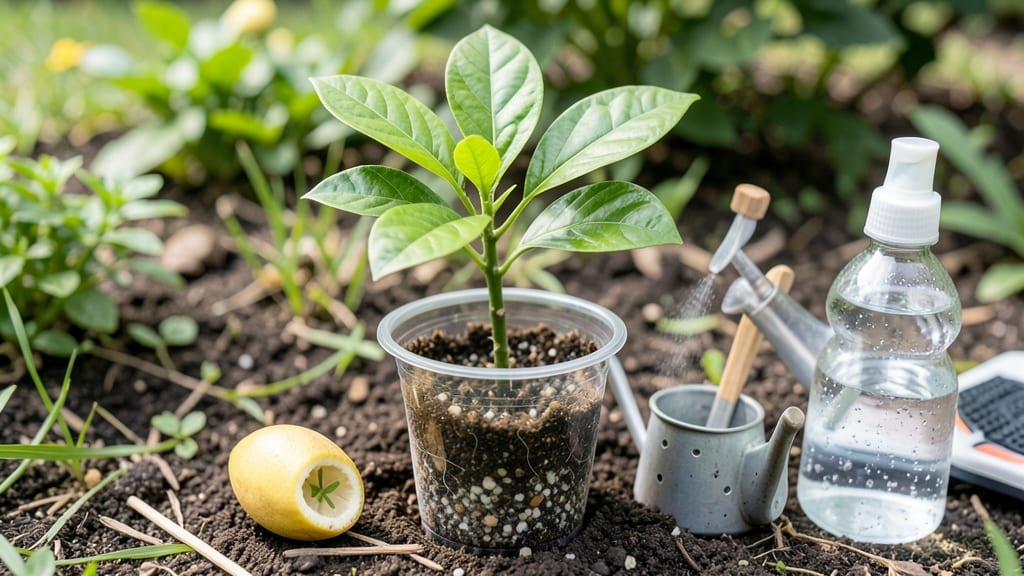
Growing a lemon tree from seed feels like magic—until you try the unbelievable trick of how to grow lemon tree from seed and realize it’s fast germination that makes the difference. 🌱 I’ve struggled with weeks of waiting, but this trick cuts that time in half, so you’re potting your seedling before summer even begins.
The secret isn’t fancy—it’s a simple soak that jumpstarts growth while you sleep.
All you need is a fresh lemon seed, a damp paper towel, and a plastic bag to trap moisture. No fancy equipment, no greenhouse—just patience and a warm spot. Most people skip this step, which is why their seeds take weeks to sprout.
With this method, you’ll see tiny roots breaking through in just 7-10 days, not months.
By the time you’re transplanting, you’ll have a sturdy seedling ready to thrive in a sunny windowsill or balcony. The first real leaves will be glossy and vibrant, and if you’re lucky, you might even get a tiny lemon years down the line.
The best part? Every step feels rewarding, even when growth slows.
Works for any citrus seed—try it with oranges or limes too. The trick scales easily, so whether you’re a beginner or a seasoned gardener, you’ll get results faster than you expected. Let’s get those seeds sprouting!
📚 In This Guide
- What you need
- Instructions
- Tips and common mistakes
- Wrapping up and next steps
What you need
- ● Lemon seeds: 3–5 fresh, plump seeds (from an organic or pesticide-free lemon for best results). Pro tip: 💡 Use seeds from a Meyer lemon (a hybrid) for faster germination!
- ○ Small pots or seed trays: 2–4 (4–6 inches in diameter) with drainage holes. Optional: Biodegradable peat pots for easy transplanting.
- ● Well-draining potting mix: A blend of 50% peat moss or coconut coir, 30% perlite or vermiculite, and 20% sand (sterilized). Pro tip: 🌡️ Avoid garden soil—it can harbor diseases!
- ○ Plastic wrap or clear lid: To create a mini greenhouse effect. Optional: A spray bottle for misting.
- ● Heat source: A seedling heat mat (set to 75–85°F) or a sunny windowsill (south-facing). Pro tip: ⏰ Warmth = faster germination!
- ● Spray bottle: Filled with room-temperature water (for gentle hydration).
- ● Fertilizer: A balanced, water-soluble fertilizer (5-5-5 or 10-10-10) only after sprouts appear.
- ● Grow lights (LED or fluorescent) for 12–16 hours/day if natural light is weak.
- ● Humidity dome or plastic bag (to retain moisture).
- ● Small fan (for gentle airflow once sprouts emerge to prevent mold).
- ● Lemon tree-specific fertilizer (once the plant is 3–6 months old).
- ● Support stake or trellis (for when your tree reaches 1–2 feet tall).
Step-by-step instructions for growing lemon trees from seed
Here's the proven trick to bypass slow germination and get your citrus seedlings sprouting in record time.
🌱 Step 1: Select and Prepare the Seeds
Choose a fresh, organic lemon—store-bought varieties often have seeds treated to prevent sprouting. Cut the fruit open and remove all seeds, rinsing them gently to remove any pulp. The trick lies in the seed coat: lemons have a thick, waxy layer that slows water absorption and delays germination.
Place the seeds in a small bowl and cover them with warm water. Let them soak for 24 hours—this softens the seed coat and jumpstarts the germination process. After soaking, gently rub the seeds between two paper towels to remove the outer waxy layer. You'll see the seeds darken slightly as the coating wears away.
💧 Step 2: Create the Germination Chamber
Line a shallow container (like a plastic takeout tray) with damp paper towels or a clean kitchen towel. Arrange the seeds about 1 inch apart on the towel, ensuring they're not touching each other. This spacing prevents mold and allows each seed to develop properly.
Cover the container with another layer of damp paper towels and place it inside a sealed plastic bag. The bag creates a humid, warm environment—ideal for germination. Store the setup in a dark, warm spot like your refrigerator's crisper drawer or a sunny windowsill (but not direct sunlight yet). Check daily, misting the towels if they dry out.
☀️ Step 3: Watch for Sprouts and Transplant
Germination typically happens within 7-14 days, but with this trick, you'll often see tiny sprouts in just 5-7 days. The first sign is a tiny white root breaking through the seed coat, followed by a small green shoot. Once you see green growth (not just roots), it's time to move the seedlings.
Carefully transfer each seedling to a small 2-3 inch pot filled with a mix of 50% potting soil and 50% perlite. Plant the seed ½ inch deep, keeping the soil moist but not soggy. Place the pots in a bright, indirect light spot—avoid harsh midday sun, which can scorch tender new leaves.
🌿 Step 4: Nurture Young Seedlings
Keep the soil consistently moist by watering lightly whenever the top ¼ inch feels dry. Lemon seedlings need warmth to thrive, so maintain a temperature between 65-75°F. If your home runs cooler, place a small heating pad underneath the pots or move them to a sunny windowsill.
After 4-6 weeks, when the seedlings have 3-4 true leaves, it's time to transplant them into 4-inch pots. Use the same soil mix and handle the seedlings gently to avoid damaging the roots. This is also when you can introduce balanced fertilizer—use a diluted citrus-specific formula to avoid burning the young plants.
⏰ Step 5: Prepare for Long-Term Growth
Once your seedlings reach 6-8 inches tall, they're ready for their final home in a 12-15 inch pot or directly into the ground (if you live in a frost-free climate). Lemon trees need full sun—at least 6-8 hours daily—so choose a spot with plenty of bright, indirect light or supplement with a grow light.
Here's the thing—seed-grown lemons rarely produce fruit as reliably as grafted trees, but they make stunning ornamental plants. Prune leggy growth to encourage bushier habits, and enjoy watching your citrus tree grow into a lush, fragrant addition to your garden or home.
Tips & tricks for fast lemon tree germination
Skip the guesswork and speed up your lemon tree's growth with these game-changing strategies.
Warm Water Wins: The 24-hour soak is your secret weapon, but here's the thing—warm water (around 80°F) works better than room temperature. It mimics the citrus tree's natural tropical environment and softens that stubborn seed coat faster. I use a small bowl of warm water from my coffee maker (just let it cool slightly before soaking). Pro tip: If your seeds float, they're not viable—discard them and focus on the ones that sink.
Germination Chamber Hacks: That plastic bag setup is brilliant, but here's what I learned the hard way: condensation is your friend, but too much causes mold. Leave the bag slightly ajar for 5-10 minutes each day to let excess moisture escape. Also, I found that placing the container on top of my refrigerator (not inside) gives that perfect 75°F warmth without risking mold. The seeds need humidity, not a swamp!
Transplant Timing Trick: When you see those first green shoots in Step 3, resist the urge to rush the transplant. Wait until the seedlings have at least one true leaf and a root system about 1 inch long. I use a toothpick to gently lift each seedling out of the paper towel—this keeps the delicate roots intact. Planting too early can shock the seedlings, while waiting too long risks overcrowding in the small pots.
Lighting Strategy: Bright, indirect light is key, but here's the thing about seedlings—too much direct sun can scorch them. I place my seedlings near an east-facing window where they get morning sun but gentle afternoon light. If you don't have good natural light, a simple LED grow light on a timer (12-14 hours daily) works wonders. The goal is to encourage strong stems, not crispy leaves.
Pro Tips for Grow Lemon Tree From Seed Unbelievable Trick
- Skip the guesswork and speed up your lemon tree's growth with these game-changing strategies.
- Warm Water Wins: The 24-hour soak is your secret weapon, but here's the thing—warm water (around 80°F) works better than room temperature.
- Germination Chamber Hacks: That plastic bag setup is brilliant, but here's what I learned the hard way: condensation is your friend, but too much causes mold.
Frequently asked questions
Got questions about growing a lemon tree from seed? You’re not alone! Here are answers to the most common curiosities—plus a few pro tips to keep your citrus adventure thriving.
How long does it take for lemon seeds to germinate?
With the unbelievable trick (soaking seeds in warm water for 24 hours and using a heat mat), germination typically happens in 7–14 days. Patience is key—some seeds may take up to 3 weeks. Keep the soil moist (not soggy) and warm (70–80°F) to speed things up!
Will my lemon tree grow fruit if started from seed?
Probably not for 3–5 years (or never!). Seed-grown trees often produce bitter, inedible lemons or no fruit at all. For sweet, juicy lemons, grafted trees are best—but growing from seed is still a rewarding (and fun!) experiment!
What’s the best temperature for growing lemon trees indoors?
Lemon trees love warmth! Keep them in 65–85°F during the day and above 50°F at night. Avoid drafts (like AC vents) or cold windowsills. A sunny south-facing window or grow lights works best. If temps drop below 50°F, move your tree indoors temporarily.
Why are my lemon seedling leaves turning yellow?
Yellow leaves usually mean overwatering or nutrient deficiency. Let the top inch of soil dry out between waterings, and use a balanced citrus fertilizer (like 6-6-6) every 2–3 months. Check for pests too—aphids or spider mites can stress your tree.
Can I grow a lemon tree from a grocery store lemon?
Just pick organic, seedless lemons (or save seeds from organic ones). Non-organic lemons may have growth inhibitors from wax coatings. Rinse seeds thoroughly and follow the trick in this guide—your tree could be thriving in weeks!
How much sunlight does a lemon tree need?
At least 6–8 hours of direct sunlight daily. If indoors, rotate the pot weekly for even growth. Outdoors? Start with morning sun to avoid scorching young leaves. Yellowing leaves or leggy growth? It’s time to move your tree closer to the light!
Wrapping up and next steps
Growing a lemon tree from seed using this unbelievable trick is simpler—and faster—than you ever imagined! 🌱 With just a little patience and the right techniques, you’ll soon be nurturing a thriving citrus plant that could one day bear sweet, homegrown lemons. Don’t stop here—share your newfound knowledge! Try this method with friends or family, or even experiment with other citrus seeds like oranges or limes.
Your green thumb is about to get a major upgrade—now go plant that seed!