
Planting
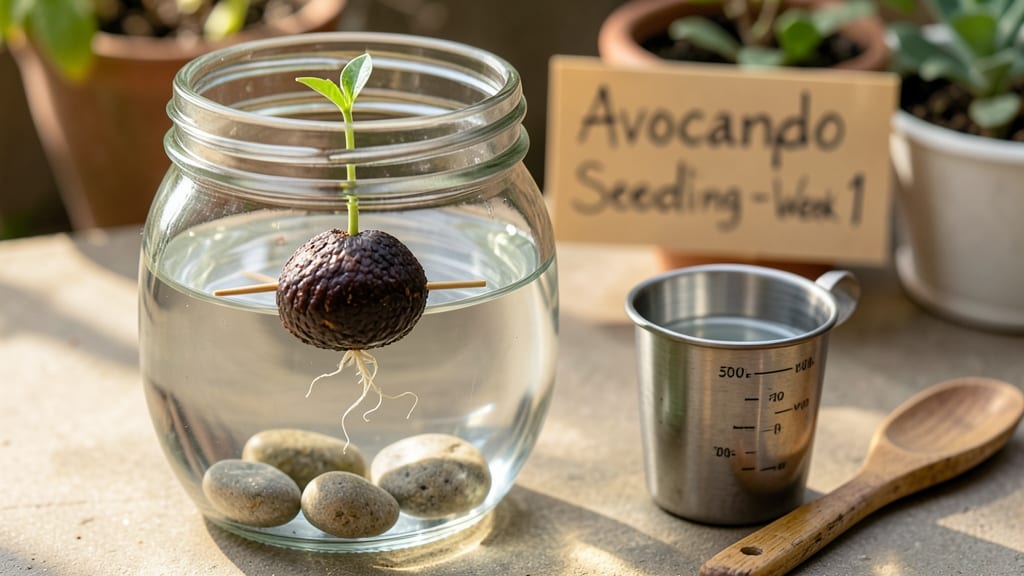
Planting an avocado seed in water is the easiest way to grow your own tree—no greenhouse or fancy equipment needed. 🌱 I’ve sprouted dozens this way, and the best part? You’re not just growing a plant; you’re turning a kitchen scrap into a living memory.
The process takes patience, but within 4-6 weeks, you’ll see roots long enough to transplant into soil.
All you need is a fresh avocado pit, a glass of water, and a toothpick or two. The key is keeping the water fresh and the pit partially submerged—never fully covered. I’ve learned the hard way that stagnant water turns into a science experiment you don’t want (hello, mold).
Change the water every 2-3 days, and within a few weeks, you’ll spot those first tiny roots peeking out.
Once roots reach 4-6 inches, it’s time to move your seedling to soil. The transition can be tricky—root shock is real—but if you do it gently, your little tree will thrive.
By summer, you could have a 3-foot-tall avocado plant gracing your windowsill, and the best part? You get to watch every step of the way.
This project is perfect for kids, apartments, or anyone who loves a challenge. Even if your seedling doesn’t survive, the process teaches patience, observation, and the magic of life growing from something as simple as a pit. Ready to give it a try?
📚 In This Guide
- What you need
- Instructions
- Tips and common mistakes
- Wrapping up and next steps
What you need
- ● 1 fresh avocado pit – Choose a seed from a ripe, organic avocado (the fresher, the better!)
- ● 3-4 toothpicks or small skewers – For suspending the seed in water
- ● 1 clear glass or jar – At least 12 oz (355 mL) capacity, with smooth sides for visibility
- ● Water – Filtered or room-temperature tap water (avoid chlorinated water)
- ● Patience (and a sunny windowsill!) – Roots can take 2-6 weeks to sprout
- ● Food-safe plastic wrap or a lid – To cover the jar and reduce evaporation
- ● Small pebbles or marbles – For weighing down toothpicks and stabilizing the seed
- ● Planting soil (later stage) – Well-draining potting mix for transplanting (e.g., cactus/succulent blend)
- ● Spray bottle – For misting the seed if the water level drops too quickly
- ● Notebook & pen – To track root growth and water changes
Step-by-Step instructions for growing avocado roots in water
Here's how to turn that grocery store pit into a thriving root system—no fancy tools needed!
🪴 Step 1: Clean and Prepare the Seed
Rinse the avocado pit thoroughly under warm water to remove any remaining fruit flesh. Use a clean paper towel to pat it dry completely—moisture left on the seed will encourage mold. I like to soak it in a glass of water for 10-15 minutes to soften any stubborn flesh clinging to the sides.
Next, insert 3 toothpicks around the widest part of the seed, spacing them evenly about ½ inch apart. These will suspend the seed in your glass without letting it sit directly on the bottom, which prevents rotting. Angle the toothpicks so they rest on the rim of your glass—this keeps the seed stable while allowing roots to grow downward.
💧 Step 2: Suspend the Seed in Water
Fill a clean glass with 2-3 inches of room-temperature water. The water level should reach just below the bottom of the seed—never submerge it completely. Place the toothpick-suspended seed in the glass so the wide, flat side faces downward (this is where roots will emerge) and the pointed end faces upward.
Change the water every 3-4 days to prevent bacterial growth. You'll see tiny white roots sprouting from the bottom within 2-4 weeks, depending on your home's warmth. Keep the glass in bright, indirect light—direct sun will overheat the water and stress the seed.
☀️ Step 3: Monitor and Maintain Root Growth
Once roots reach 2-3 inches long, they'll start branching out like tiny fingers. This is your signal to keep the water level consistent—never let the roots dry out, but avoid deep submergence, which causes rot. I tap the glass gently to release any air bubbles trapped around the seed.
If the roots grow unevenly or one side looks stunted, rotate the glass ¼ turn daily so all sides receive equal light exposure. You'll notice faster growth when the water stays lukewarm—place the glass near a sunny window (but not in direct sunlight) for best results.
🌱 Step 4: Transition to Soil (When Ready)
After 4-6 weeks, when roots reach 4-6 inches, your seedling is ready to plant. Fill a 6-inch pot with well-draining potting mix (avoid garden soil—it compacts too much). Make a small hole in the center and gently place the seed so the roots sit just below the soil surface and the top half remains exposed.
Water lightly until moisture seeps from the bottom of the pot, then place it in bright, indirect light. Keep the soil evenly moist but not soggy—avocado seedlings hate soggy roots. Within 2-3 weeks, you'll see the first true leaves unfurl from the top of the seed.
Tips & tricks for growing avocado roots in water
Turn that grocery store pit into a thriving green experiment with these game-changing insights!
Soaking Savvy: That 10-15 minute soak in Step 1 isn't just about softening flesh—it's a germ-killer! The warm water helps sanitize the seed surface, reducing mold risk. I've found using filtered water prevents mineral buildup that can clog the seed's pores. Pro tip: If your pit feels unusually heavy, it might have absorbed too much moisture—pat it extra dry before proceeding.
Toothpick Technique: The ½-inch spacing between those 3 toothpicks is crucial for stability. I learned the hard way—too close and the seed wobbles; too far and it tilts. For extra security, I reinforce the setup by placing a rubber band around the toothpicks at the top of the glass. This prevents the seed from rotating during root growth, which can stress developing roots.
Lighting Logic: Bright, indirect light is non-negotiable! I place my setup near an east-facing window where morning sun provides gentle warmth without the intensity of afternoon rays. If you notice roots growing toward one side, it's definitely a light-seeking behavior—rotate your glass daily to encourage even growth. The lukewarm water tip is key too: I use a small thermometer to check it stays between 70-75°F—just warm enough to mimic tropical conditions.
Root Rescue: If you see brown, mushy spots on your roots, it's a sign of rot from overwatering or poor circulation. Simply trim the affected areas with clean scissors and refresh the water immediately. For stubborn cases, I've had success with a 10-minute soak in diluted hydrogen peroxide (1 part peroxide to 4 parts water) to kill bacteria without harming the roots.
Pro Tips for Plant An Avocado Seed In Water
- Turn that grocery store pit into a thriving green experiment with these game-changing insights!
- Soaking Savvy: That 10-15 minute soak in Step 1 isn't just about softening flesh—it's a germ-killer!
- Toothpick Technique: The ½-inch spacing between those 3 toothpicks is crucial for stability.
Frequently asked questions
How long does it take for an avocado seed to sprout roots?
With patience and the right conditions, your avocado seed should start showing tiny white roots in 2–6 weeks. Some seeds sprout faster (like 2 weeks), while others take longer—especially if the water isn’t changed regularly or the seed isn’t warm enough. Keep the toothpicks submerged in water and maintain a cozy spot (around 70–75°F) for best results!
What if my avocado seed isn’t sprouting after 6 weeks?
Don’t panic! A seed might be dormant or damaged. Try these fixes:
- Check the water: Refresh it every 2–3 days to prevent mold or stagnation.
- Warm it up: Place the jar near a sunny window or use a seedling heat mat (if available).
- Test viability: Gently tap the seed—if it sounds hollow, it may be dead. Try another seed!
Can I plant the avocado seed directly in soil instead of water?
Once your seed grows 2–3 inches of roots, you can transition it to soil—this method is called "dry planting." Here’s how:
- Let the roots dry slightly (pat them with a paper towel).
- Fill a small pot with well-draining soil (like cactus mix).
- Plant the seed halfway (like a mini tree) and water lightly.
Will an avocado tree grown from a seed produce fruit?
Yes, but not for years—and it might not be the variety you love! Seed-grown avocado trees take 5–13 years to bear fruit, and the avocados may differ from the parent (e.g., a Hass seed could grow into a completely different type). For guaranteed fruit, buy a grafted tree—but growing from seed is a fun, low-cost experiment!
Why is my avocado seed rotting in water?
Rot usually happens from too much moisture or bacteria. To prevent it:
- Change the water every 2–3 days (even if it looks clean).
- Avoid submerging the top half of the seed—keep it dry.
- Use filtered or distilled water (tap water chemicals can cause rot).
- Add a drop of hydrogen peroxide (3%) to the water weekly to fight mold.
Wrapping up and next steps
Growing an avocado seed in water is a fun, rewarding project that brings a touch of green to your kitchen counter! With just a little patience and care, you’ve unlocked the secret to nurturing roots—and maybe even a future tree.
Once your seedling has strong roots (about 2–3 inches long), it’s time to plant it in soil and watch it thrive!
Pro tip: Keep an eye on your little sapling—soon, you might be harvesting your own avocados! 🌱✨