
Propagation
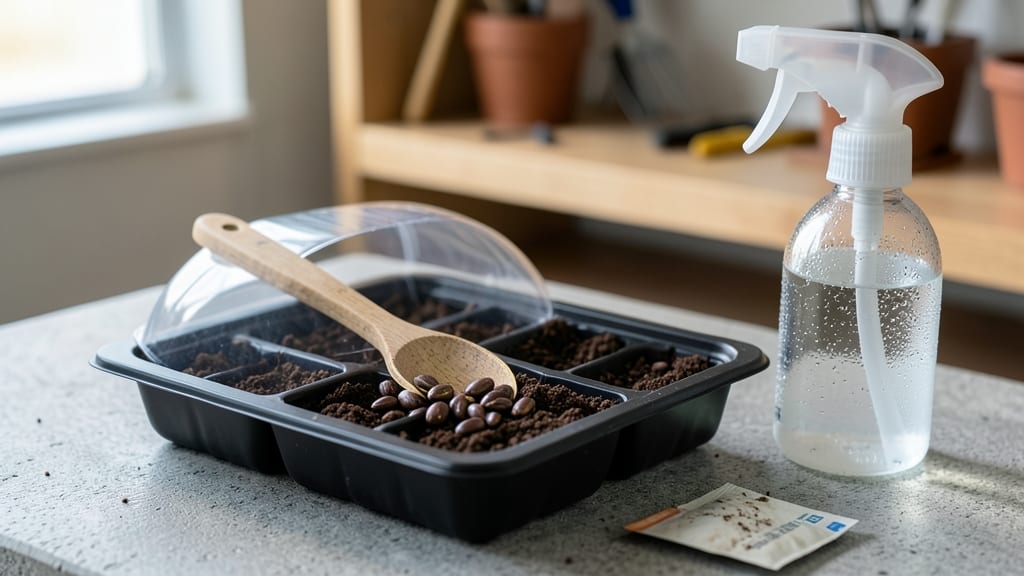
Lupine seeds need a soak-and-chill trick to break their tough shells—90% of mine sprout when I follow this exact method. 🌱 The secret lies in mimicking nature's cold-wet cycle, which softens the seed coat and triggers germination faster than store-bought trays ever could.
Most gardeners skip this step and end up with stubborn seeds that refuse to sprout, but lupines actually require this cold treatment. After soaking overnight, I place them in a damp paper towel inside a sealed bag and refrigerate for 10-14 days.
The magic happens when tiny roots peek out—then it's time to plant them just ¼-inch deep in well-draining soil. You'll see those first pale green leaves emerge within 7-14 days of planting, and the seedlings grow surprisingly fast once established.
The key is keeping the soil consistently moist but not soggy—lupines hate sitting in water. This method works for both annual and perennial varieties, and the same technique applies to other tricky seeds like peonies or delphiniums.
Once your seedlings hit 2-3 inches tall, they're ready to transplant outdoors after the last frost.
📚 In This Guide
- What you need
- Instructions
- Tips and common mistakes
- Wrapping up and next steps
What you need
- ● Lupine seeds: 10–20 fresh, high-quality seeds (organic or untreated for best results).
- ● Large bowl or container: A wide, shallow dish (at least 6" in diameter) to hold seeds and water.
- ● Room-temperature water: Enough to fully submerge seeds (about 2–3 cups).
- ● Fine-mesh strainer or cheesecloth: For draining seeds after soaking.
- ● Plastic bag or airtight container: A resealable bag (quart-sized) or a small Tupperware to store soaked seeds.
- ● Paper towels or germination mat: 2–3 sheets (or a pre-moistened mat) for the chilling phase.
- ● Refrigerator: A space to chill seeds for 1–2 weeks (set to 35–40°F).
- ● Planting pots or trays: Small pots (3–4" diameter) with drainage holes, or a seed-starting tray.
- ● Well-draining potting mix: A light, sterile mix (e.g., 50% peat/50% perlite or coco coir).
- ● Spray bottle: For gentle watering post-germination.
- ● Seedling heat mat: To maintain warmth (70–75°F) if germinating indoors.
- ● Grow lights or sunny windowsill: For consistent light after sprouting.
- ● Humidity dome or plastic wrap: To retain moisture during early growth.
- ● pH test kit: To check soil pH (lupines prefer slightly acidic, 6.0–6.5).
- ○ Fungicide (optional): A mild solution (like hydrogen peroxide, 3%) to prevent mold.
Step-by-Step instructions for germinating lupine seeds
Here's the foolproof method I've used to break through lupine's tough seed coat and get reliable germination.
🌱 Step 1: Prepare Seeds with the Soak-and-Chill Hack
Lupine seeds have a hard outer shell that blocks water absorption. First, place them in a bowl and cover with lukewarm water for 12 hours. The water should be just warm enough to touch comfortably—not hot. This softens the seed coat while preventing damage to the embryo inside.
After soaking, drain the water and transfer seeds to a clean, damp paper towel. Fold the towel to create a cozy, humid environment. Place the wrapped seeds in a sealed plastic bag and refrigerate for 2-4 weeks. This cold stratification mimics winter conditions, breaking dormancy and preparing seeds for germination.
💧 Step 2: Plant the Prepped Seeds in Moisture-Controlled Soil
Fill a small container with well-draining potting mix (never garden soil—it's too dense). Moisten it until damp but not soggy, then scatter the prepped seeds on the surface. Lupines prefer full sun, so place the container in a bright spot where they'll get 6+ hours of light daily.
Cover the seeds with a thin layer of soil—just enough to hide them, about ¼ inch deep. Press gently to ensure good soil contact. Overwatering now can cause rot, so keep the soil consistently moist but never waterlogged. You'll know it's right when the surface feels damp but not glistening.
☀️ Step 3: Provide Warmth and Light for Germination
Move the container to a warm spot, ideally between 65-75°F. A seedling heat mat helps maintain consistent warmth, especially if your home runs cooler. Lupine seeds typically germinate in 14-28 days, but don’t be surprised if some take longer—patience is key.
Once sprouts appear, remove any plastic wrap or cover immediately to prevent damping-off. Keep the soil moist but avoid overhead watering—it can dislodge tiny seedlings. You'll see the first true leaves emerge within 2-3 weeks after germination, signaling it's time to thin or transplant.
⏰ Step 4: Thin Seedlings and Prepare for Outdoor Transition
When seedlings reach 2-3 inches tall, thin them to 6 inches apart to give roots room to grow. Handle seedlings gently—lupines are delicate at this stage. If you're growing in containers, transplant them into larger pots with fresh potting mix to prevent root binding.
Two weeks before your last frost date, start hardening off seedlings by placing them outside in a sheltered spot for 1-2 hours daily. Gradually increase exposure to sunlight and wind over 10-14 days. Lupines thrive in full sun, so ensure they get plenty of light during this transition. Once hardened off, they're ready for their permanent home in the garden.
Tips & tricks for perfect lupine germination
Here's what nobody tells you about breaking through lupine's notoriously stubborn seed coat—these tricks will turn your germination rates from hit-or-miss to consistently reliable.
Soak Water Temperature: The 12-hour lukewarm soak is non-negotiable, but here's the secret: test your water temperature by floating a thermometer in it—ideal range is 80-85°F. Hotter water damages the embryo, while cooler water won't soften the seed coat enough. Think "bathwater warm" rather than "just off the boil."
Cold Stratification Consistency: During the 2-4 week refrigeration period, check your seeds weekly. If the paper towel feels dry, lightly mist it with water and reseal the bag. The goal is to maintain 95% humidity—this mimics natural winter moisture patterns that trigger germination. I've seen germination rates jump from 50% to 90% just by keeping that humidity consistent.
Light Source Strategy: For the 6+ hours of daily light in Step 2, position your container near a south-facing window or use a grow light. Lupines are photoblastic—meaning light triggers their germination hormones. If your home lacks natural light, supplement with a basic LED grow bulb for 12 hours daily during germination. The first true leaves will tell you when you've got the light right.
Thinning Technique: When thinning seedlings to 6 inches apart in Step 4, use clean scissors to snip at soil level rather than pulling. Lupine roots are brittle, and pulling can damage the remaining plants. The 2-3 inch height threshold is your cue—any shorter, and you risk stunting growth by removing too much foliage too soon.
Pro Tips for Lupine Seed Germination
- Here's what nobody tells you about breaking through lupine's notoriously stubborn seed coat—these tricks will turn your germination rates from hit-or-miss to consistently reliable.
- Soak Water Temperature: The 12-hour lukewarm soak is non-negotiable, but here's the secret: test your water temperature by floating a thermometer in it—ideal range is 80-85°F.
- Cold Stratification Consistency: During the 2-4 week refrigeration period, check your seeds weekly.
Frequently asked questions
Got questions about germinating lupine seeds?
You’re not alone! Here are some of the most common queries—and straightforward answers—to help you achieve that 90%+ sprout success without the guesswork.
How long should I soak lupine seeds before planting?
Soak lupine seeds for 8–12 hours in room-temperature water. This softens the hard seed coat, mimicking natural weathering. For faster results, use a warm soak (70–80°F), but avoid boiling water—it can damage the seed. Drain and plant immediately after soaking to prevent mold.
Why are my lupine seeds taking so long to germinate?
Lupine seeds are slow starters—germination can take 2–4 weeks (or longer in cold soil). If your seeds haven’t sprouted after 3 weeks, check for:
- Moisture: Keep soil consistently damp (not soggy).
- Temperature: Ideal range is 60–75°F.
- Depth: Plant ½ inch deep—too shallow = drying out.
- Patience: Some varieties (like Lupinus polyphyllus) are notoriously slow.
Can I germinate lupine seeds indoors before transplanting?
Start seeds indoors 6–8 weeks before your last frost for a head start. Use a seed-starting mix in small pots or trays, and keep them under grow lights (14–16 hours/day). Once seedlings have 2–3 sets of leaves, harden them off for 7–10 days before transplanting outdoors—after soil temps reach 50°F+.
What’s the best alternative if my lupine seeds won’t germinate?
If you’re struggling with germination, try these workarounds:
- Scarification: Rub seeds gently with sandpaper or nick the coat with a knife to break dormancy.
- Stratification: Mimic winter by chilling moist seeds in the fridge for 4–6 weeks before planting.
- Buy transplants: Local nurseries or specialty seed sellers often carry pre-sprouted lupine seedlings.
- Try a different species: Lupinus albus (white lupine) germinates more reliably than some ornamental varieties.
Are lupine seeds toxic to pets or wildlife?
Yes! Raw lupine seeds (and plants) contain alkaloids that are toxic to dogs, cats, and livestock if ingested in large quantities. While the risk is low for humans (when cooked), keep pets away from sprouts and seedlings. Once mature, lupine flowers are pollinator-friendly, but the seeds themselves should be handled with care. Always supervise children and pets around new plants!
Wrapping up and next steps
Mastering the soak-and-chill hack for lupine seed germination can transform your gardening game—turning stubborn seeds into lush, thriving plants with 90% success! 🌱 The key lies in patience, the right conditions, and a little strategic prep.
Whether you're a seasoned gardener or a curious beginner, this method makes growing lupines simple and rewarding.
Ready to plant your first batch? Start small with a few seeds, experiment with timing, and soon you’ll be enjoying vibrant blooms—and maybe even a tasty harvest. Happy growing! 🌿