
Lawn
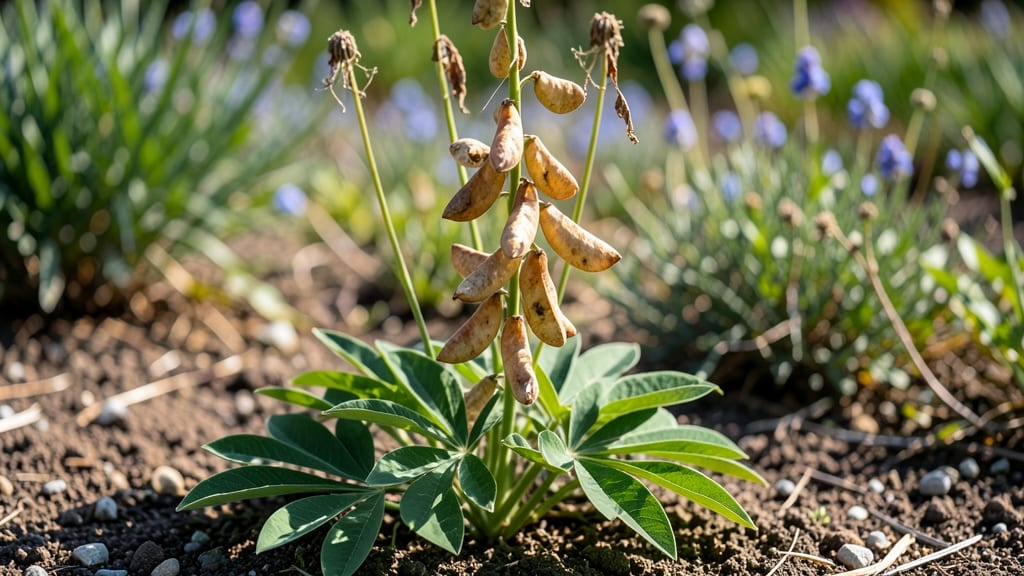
Harvesting lupine seed pods before they twist and scatter seeds is the secret to saving them for next year’s garden. 🌱 I’ve watched these elegant pods spiral open dramatically, only to lose their precious seeds to the wind—until I discovered the simple trick that keeps them intact and ready for replanting.
The key moment arrives when the pods turn light brown and begin to rattle, signaling seeds are mature but still contained. A quick snip with clean scissors or pruners (never pull!) preserves the seeds while preventing the pods from twisting apart naturally.
This method also works for collecting seeds for nitrogen-fixing benefits in your soil. Once harvested, spread the pods in a dry, shaded area for 1-2 weeks until fully dry and brittle.
Then, crack them open to release the seeds—ready to sow or store in a cool, dark place for up to 2 years. The payoff? A low-maintenance, drought-tolerant perennial that thrives with minimal effort.
Whether you’re growing lupines for their striking blooms or their soil-enriching superpowers, this trick ensures you’ll never waste another seed pod again. Here’s how to do it right the first time.
📚 In This Guide
- What you need
- Instructions
- Tips and common mistakes
- Wrapping up and next steps
What you need
- ● Sharp pruning shears or garden scissors – Choose bypass blades (not anvil) for clean cuts. A 10-12 inch reach works best for tall lupines.
- ○ Glove set (optional but recommended) – Nitrile-coated gloves (size medium/large) protect against thorns and sap. 2 pairs if working in groups.
- ● Large mesh laundry bag or burlap sack – A 30x30 inch bag with 1mm holes prevents seed loss while allowing ventilation.
- ● Plastic tray or shallow container – A 12x18 inch tray with 1 inch sides for sorting pods post-harvest.
- ● Labeling tags & permanent marker – Small waterproof tags to mark pods by variety/date (e.g., "Blue Lupine – June 2024").
- ● Damp paper towels (1 roll) – For quick moisture checks if storing pods long-term.
- ● Knee pad or small stool – For comfort when harvesting low-growing varieties.
- ● Small hand trowel – To gently loosen stubborn pods from the soil.
- ● Spray bottle with water – A 16oz misting bottle to dampen pods if they’re too dry.
- ● Digital scale (0.1oz precision) – For tracking pod weight if saving seeds for planting.
How to harvest lupine seed pods without twisting or waste
Here's the simple trick I use every year to collect lupine seeds efficiently.
🌿 Step 1: Wait for Pods to Fully Mature and Dry
Harvest lupine seed pods only when they've turned golden brown and feel crisp when gently squeezed. Green or partially brown pods won't open properly, and you'll waste time collecting immature seeds. I check pods in late summer or early fall, depending on your climate—September in Zone 5 is my target month.
Look for pods that split open naturally along their seams. If they're still tightly closed, leave them on the plant another week. The seeds inside must be fully developed, which takes 4-6 weeks after flowering. You'll know they're ready when the pods rattle with seeds when shaken gently.
✂️ Step 2: Cut Pods Carefully to Avoid Twisting
Use clean, sharp pruning shears to snip the pods directly from the stem. Never pull or twist—the stems are woody and will snap, causing the pod to split open prematurely and scatter seeds. I cut 1-2 inches above the pod to include a small section of stem, which helps stabilize the pod during drying.
Place pods in a single layer on a clean, dry surface. Avoid stacking them—moisture trapped between pods can cause mold. I use a wire cooling rack lined with paper towels. This airflow prevents twisting as the pods finish drying.
🪴 Step 3: Dry Pods Completely Before Handling
Let pods dry in a warm, dry, shaded area for 5-7 days. Avoid direct sunlight, which can cause pods to crack open too quickly. You'll see the pods turn from golden brown to a lighter, almost papery texture when fully dry.
Test readiness by gently pressing a pod—it should crumble slightly at the seams but still hold its shape. If pods feel stiff or resist opening, they need more time. Once dry, place them in a paper bag and shake gently to release seeds. Store seeds in a cool, dark place for up to 3 years.
💧 Step 4: Store Seeds Properly to Maintain Viability
Transfer seeds to an airtight container lined with silica gel packets to absorb moisture. I use small glass jars with tight-sealing lids. Label each jar with the variety and harvest date—lupine seeds lose viability quickly if stored improperly.
Keep containers in a cool, dark place—a basement or refrigerator works well. Test stored seeds annually by planting a few to check germination. If they sprout within 10-14 days, your storage method is working. Discard any seeds that fail to germinate after two years.
Tips & tricks for perfect lupine seed harvesting
These simple strategies will help you avoid common pitfalls and maximize your lupine seed yield every harvest season.
Timing Secret: The 4-6 week window after flowering is critical for seed development. Mark your calendar when lupines bloom in your area—this gives you a precise target for harvest timing. I always set a reminder for 4 weeks post-bloom to check pods weekly. Overripe pods (beyond 6 weeks) may split open naturally, scattering seeds before you can collect them.
Tool Selection: Never use dull pruning shears or scissors—they crush pods and cause premature splitting. Invest in a good pair of bypass pruners and keep them sharp. I sharpen mine annually with a file, which makes cutting clean and precise. For large harvests, consider a small hand saw for thicker stems.
Drying Strategy: The 5-7 day drying period requires consistent conditions. I've found that placing a small fan near the drying pods (on low setting) speeds up the process by 1-2 days without risking overheating. Just ensure the airflow isn't directly blowing on the pods, which can cause uneven drying and cracking.
Storage Wisdom: Lupine seeds lose viability quickly when exposed to moisture. After shaking seeds from pods, I immediately transfer them to my storage containers with a fine mesh strainer to remove any pod debris. This extra step prevents mold growth during long-term storage and keeps seeds pure for planting.
Pro Tips for Lupine Seed Pods
- These simple strategies will help you avoid common pitfalls and maximize your lupine seed yield every harvest season.
- Timing Secret: The 4-6 week window after flowering is critical for seed development.
- Tool Selection: Never use dull pruning shears or scissors—they crush pods and cause premature splitting.
Frequently asked questions
Got questions about harvesting lupine seed pods? You’re not alone! Here are some of the most common queries—and their answers—to help you master the process without frustration or waste.
When are lupine seed pods ready to harvest?
Harvest lupine seed pods when they turn a tan or light brown color and split open slightly at the seams—usually late summer to early fall. If pods are still green or hard, they’re not ready. Overripe pods may release seeds prematurely, so time it right!
Why do lupine seed pods twist and what can I do about it?
Twisting happens when pods dry unevenly or are harvested too early. To prevent it, pick pods when they’re fully mature but still slightly plump, then store them in a paper bag in a cool, dry place for 1–2 weeks to finish drying naturally. Avoid plastic bags—trapped moisture speeds up spoilage!
Can I harvest lupine seeds from pods that have already split open?
Yes! If pods have already released seeds, collect them from the ground or shake them from the plant into a white cloth or tray. Discard any seeds with holes (signs of pests) or discoloration. Pro tip: Spread seeds on a baking sheet to dry for 24 hours before storing to prevent mold.
How long do harvested lupine seeds stay viable for storage?
Properly dried and stored lupine seeds can last 3–5 years in a cool (50–60°F), dark place like a sealed jar or airtight container. For longer shelf life, add a silica gel packet to absorb moisture. Check seeds annually—if they smell musty or sprout mold, discard them.
What’s the best way to prevent pests from damaging lupine seed pods?
Pests like weevils love lupine seeds! Monitor plants weekly for tiny holes or larvae. Use row covers during seed development or spray pods with neem oil (follow label instructions). After harvest, freeze seeds for 48 hours to kill any lingering eggs or pests before storing.
Wrapping up and next steps
Harvesting lupine seed pods doesn’t have to be a frustrating puzzle—with the right timing and techniques, you can save seeds, prevent twisting, and minimize waste while keeping your lawn (or garden) looking its best. 🌱 Whether you’re a seasoned gardener or just starting, these tips will help you turn a messy chore into a rewarding experience.
Now that you’re armed with the know-how, grab your tools and give it a try! Try harvesting a few pods this weekend and watch how much easier (and more productive) the process becomes. Happy harvesting!