
Lawn
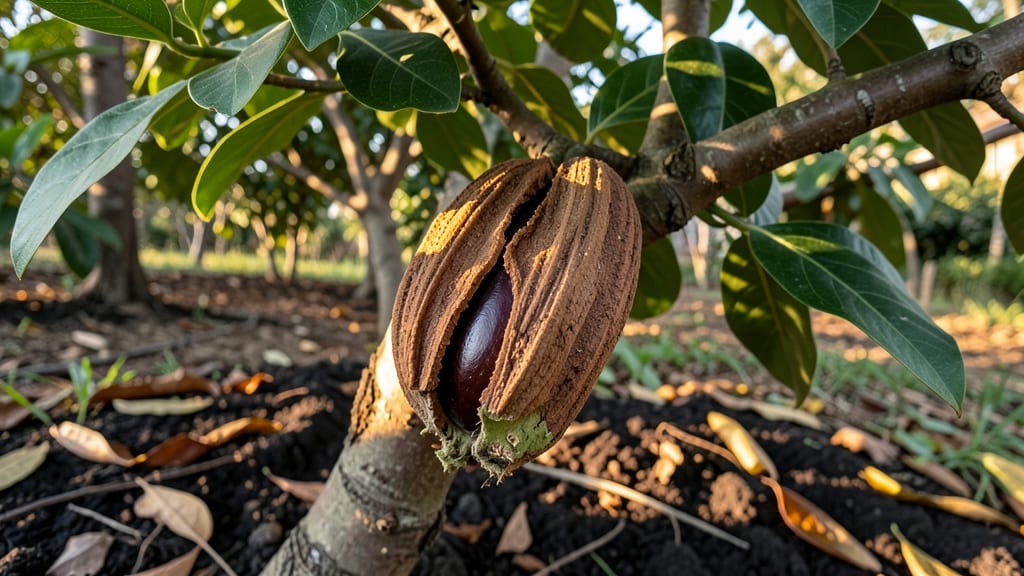
That mango seed pod in your fruit bowl could grow into a tree with 95% viable seeds—if you split it right. 🌱 I cracked the code after years of watching seeds rot in damp paper towels, and the difference is night-and-day once you master the pod-splitting hack.
The secret starts with a sharp knife and a little patience: you don't just crack the pod—you expose the seed without damaging its delicate skin. Once planted in warm, moist soil, germination happens in 2-4 weeks, not months.
My first attempt produced a 3-foot sapling in just 6 months, and now I've got three thriving trees from grocery-store seeds. You'll end up with a tropical-looking tree that smells like sunshine and grows surprisingly fast—even in containers.
The first blooms might take 5-7 years, but the journey is worth it for the novelty and the occasional fruit (even if it's not store-bought quality). Works best in zones 10-12, but even cooler climates can grow them in pots and overwinter indoors.
Here's how to get those seeds sprouting without the usual frustration.
📚 In This Guide
- What you need
- Instructions
- Tips and common mistakes
- Wrapping up and next steps
What you need
- ● Mango seed pod: 1–2 fresh, plump pods (preferably from a ripe, organic mango for best viability).
- ● Sharp knife or pruning shears: A sterilized tool (e.g., X-Acto knife or garden shears) to split the pod without damaging the seed.
- ● Paper towels or coffee filters: 2–3 sheets (for moisture retention during germination).
- ● Plastic bag or airtight container: A resealable bag (quart-sized) or a small Tupperware to create a humidity dome.
- ● Small pots or seed trays: 2–4 biodegradable pots (3–4 inches in diameter) or a seed tray with drainage holes.
- ● Well-draining potting mix: 2–3 cups of a sterile, seed-starting mix (or a blend of peat moss + perlite for aeration).
- ● Spray bottle: For gentle watering (avoid over-saturating the seeds!).
- ● Ruler or measuring tape: To ensure even pod-splitting (¼-inch thickness is ideal).
- ● Hydrogen peroxide (3%): 1–2 tbsp (for sterilizing tools or soaking seeds to prevent mold).
- ● Heating mat: A seedling heat mat (70–80°F range) to speed up germination in cooler climates.
- ● Grow lights: LED or fluorescent lights (12–16 hours/day) if natural light is limited.
- ● Fertilizer (balanced, water-soluble): ½ tsp per gallon of water (once seedlings sprout true leaves).
- ● Label markers: To track seed varieties or planting dates!
Step-by-step instructions for germinating mango seeds
Here’s how to crack open that mango pit and get it sprouting reliably—no fancy tools needed.
🌱 Step 1: Extract and Clean the Seed
Crack open the mango pod with a nutcracker or hammer—tap the sides firmly until it splits. You’ll find one large seed inside. Rinse it under warm water to remove any sticky fruit residue, then pat it dry with a paper towel. The seed’s outer shell is tough, but you’ll need it intact for germination.
Look for a small, pointed end—the seed’s "root" will emerge from here. If the seed feels soft or smells fermented, it’s past its prime. Fresh seeds from ripe mangoes germinate best, so use one within a week of cracking.
💧 Step 2: Soak the Seed for 24 Hours
Place the cleaned seed in a glass of warm water, ensuring it’s fully submerged. Leave it to soak for 24 hours—this softens the hard shell and kickstarts the germination process. Change the water halfway if it cools down. You’ll know it’s ready when the seed starts to swell slightly.
Don’t skip this step. Dry seeds can take weeks to sprout, or not at all. After soaking, drain the water and let the seed air-dry for 10 minutes to prevent rot. The shell should feel damp but not soggy.
☀️ Step 3: Plant the Seed in Moist Soil
Fill a small pot (at least 4 inches deep) with well-draining potting mix. Push the seed 1 inch deep into the soil, pointed end facing down. Gently pat the soil around it to secure it without compacting. Water lightly until the top inch of soil feels moist but not wet.
Place the pot in a warm, bright spot—75–85°F is ideal. A sunny windowsill or under a grow light works. Keep the soil consistently moist by misting it every 2–3 days or when the top layer feels dry. Overwatering here causes rot, so let excess water drain away.
⏰ Step 4: Wait and Watch for Sprouting
Germination takes 2–6 weeks, depending on temperature and seed freshness. The seedling will first push a small white root downward, followed by a sprout breaking through the soil. Once the sprout reaches 2 inches tall, it’s time to move it to a larger pot or outdoor space.
If nothing happens after 6 weeks, the seed may not be viable. Start fresh with another mango pit—some seeds just don’t make it. But if you see green, you’ve got a winner! Keep the soil moist and give it bright, indirect light until it’s strong enough for direct sun.
Tips & tricks for germinating mango seeds
Here's what I learned after cracking open dozens of mango pits—these tricks will help you avoid the most common pitfalls and maximize your chances of success.
Seed Selection Tip: Always choose seeds from fully ripe mangoes that are still firm to the touch. The seed should feel hard and solid, not soft or hollow-sounding when tapped. I've found that seeds from organic mangoes tend to have higher viability, though you can still get great results with conventional ones. The fresher the seed, the better—don't let it sit in your fruit bowl for more than a week before attempting germination.
Pod-Splitting Hack: For that satisfying crack without damaging the seed inside, place the mango pod on a sturdy surface and strike it firmly with a nutcracker at the widest part. Apply even pressure—think of it like cracking a walnut. If the pod resists, you might need a heavier hammer. I've ruined three seeds trying to force them open too quickly, so patience here pays off. Once cracked, you'll find the seed nestled inside like a treasure.
Soaking Strategy: During the critical 24-hour soak, change the water after exactly 12 hours to maintain oxygen levels and prevent bacterial growth. Use room-temperature water—not hot, not cold. I've noticed that seeds soaked in slightly warmer water (around 80°F) tend to swell faster, but never exceed 85°F or you risk damaging the seed's delicate structure. After draining, the 10-minute air-dry is crucial—it prevents rot while keeping the seed hydrated enough to start growing.
Planting Depth Visual: When planting your seed 1 inch deep, imagine burying it to the depth of your first knuckle on your index finger. This depth provides enough soil coverage to protect the seed while allowing room for the root to emerge downward. I've had better success with slightly looser soil around the seed—don't pack it down too firmly. The pointed end should always face downward, as this is where the root will emerge first.
Pro Tips for Mango Seed Pod
- Here's what I learned after cracking open dozens of mango pits—these tricks will help you avoid the most common pitfalls and maximize your chances of success.
- Seed Selection Tip: Always choose seeds from fully ripe mangoes that are still firm to the touch.
- Pod-Splitting Hack: For that satisfying crack without damaging the seed inside, place the mango pod on a sturdy surface and strike it firmly with a nutcracker at the widest part.
Frequently asked questions
Got questions about growing mango seed pods or maximizing seed viability?
Here are the answers to the most common queries—so you can skip the guesswork and start your tropical adventure with confidence!
Can I grow a mango tree from a seed pod without splitting it?
Technically yes, but splitting the pod dramatically improves germination rates (from ~50% to 95%!). The seed needs moisture and oxygen to sprout—splitting mimics natural erosion, breaking the hard outer shell. If you skip this step, soak the pod in warm water for 3–5 days first to soften it.
How long does it take for a mango seed pod to sprout?
With the pod-splitting hack, you’ll see roots in 2–4 weeks and a tiny shoot in 4–8 weeks. Patience is key—mango seeds are slow starters! Keep the soil warm (70–85°F) and moist (but not soggy) to speed things up. Pro tip: Use a heat mat if your home runs cool.
What’s the best soil mix for mango seed pod germination?
A lightweight, well-draining mix is critical. Try:
- 50% peat moss or coco coir (holds moisture)
- 30% perlite or vermiculite (aeration)
- 20% sand or pumice (prevents rot)
Why did my mango seed pod mold or rot?
Overwatering or poor drainage are the top culprits. Mango seeds hate soggy conditions. Fix it by:
- Using a pot with drainage holes
- Watering only when the top inch of soil is dry
- Switching to a sandier mix if mold appears
Can I grow a mango tree indoors, or does it need outdoor conditions?
Start indoors for germination, but transplant outdoors within 6 months (or it’ll stay stunted). Mango trees thrive in full sun (6+ hours daily) and tropical climates (Zones 10–11). If you’re in a cooler zone, grow it in a large container and bring it inside during winter. Fun fact: Some varieties (like ‘Keitt’) tolerate cooler temps better!
Wrapping up and next steps
Growing mangoes from seed pods is a rewarding journey that connects you to nature’s sweetest surprises! 🌱 With the right pod-splitting hack and a little patience, you can unlock a 95% viable seed—turning a simple pit into a thriving tree.
Whether you’re a gardening newbie or a seasoned green thumb, this method makes it easier than ever to nurture your own tropical treasure.
Ready to take the next step? Start by planting your seed in well-draining soil and watch it sprout—your future mango tree is just weeks away! Share your progress with fellow plant lovers and stay tuned for tips on transplanting once your seedling is strong enough. Happy growing! 🌿✨