
Lawn
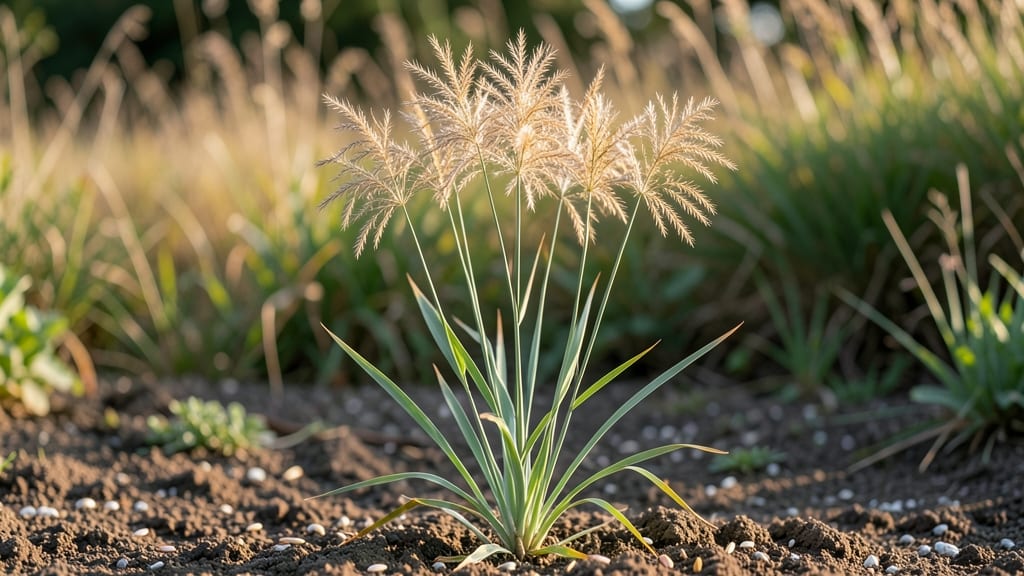
That feathery millet seed head transforms a plain field into a golden wave by summer’s end. 🌾 I’ve grown millet for years—first as a bird-friendly ornamental, then as a drought-tolerant grain—and the secret to a reliable harvest lies in those twist-free seed clusters.
They’re the plant’s way of ensuring seeds stay dry and ready for collection, whether you’re saving them for next year’s crop or letting birds enjoy the feast.
The best part? Millet seed heads thrive with minimal fuss. Plant in full sun, give them 3-4 feet of space, and watch them shoot up in 60-90 days without fuss.
The seed heads themselves are the star—each one packed with tiny grains that stay firmly attached until you’re ready to harvest, unlike some grasses that twist and tangle. This makes them perfect for both ornamental borders and functional grain production.
By late summer, you’ll have those iconic plume-like seed heads swaying in the breeze, ready for cutting or threshing. Whether you’re crafting dried arrangements, saving seeds, or feeding wildlife, millet’s seed heads deliver effortless beauty and utility.
The key is timing—harvest when the seed heads turn golden-brown but before they scatter, and you’ll have a bountiful yield every time.
Works just as well in small gardens as large fields, making it a versatile choice for anyone who wants low-maintenance, high-reward plants. Here’s how to grow them without the usual headaches—no twists, no tears, just golden perfection.
📚 In This Guide
- What you need
- Instructions
- Tips and common mistakes
- Wrapping up and next steps
What you need
- ● Millet Seeds: Choose zero-twist varieties like Pennisetum glaucum (pearl millet) or Setaria italica (foxtail millet). Aim for 1–2 lbs (0.5–1 kg) of high-quality, untreated seeds.
- ● Pro tip: 💡 Opt for organic seeds if you prefer chemical-free gardening!
- ● Soil: Well-draining soil (sandy loam or clay-loam works best). Test your soil’s pH—millet thrives in 6.0–7.5.
- ● Amend with compost (2–3 inches) or aged manure to boost fertility.
- ● Watering Supplies: Hose with a gentle spray nozzle or a drip irrigation system (to avoid displacing seeds).
- ● Watering can (for seedling care).
- ● Planting Tools: Garden rake (for loosening soil).
- ● Hand trowel or broadcast spreader (for even seed distribution).
- ○ Fertilizer (Optional but Helpful): Balanced fertilizer (10-10-10) or low-nitrogen compost tea to promote strong seed heads.
- ● Sunlight: Full sun (6–8+ hours/day). Millet loves warmth—ideal for USDA Zones 5–11.
- ● Space: Direct-sow in rows 12–18 inches apart or broadcast in large areas (e.g., lawn borders, erosion control zones).
- ● Seed heads can reach 2–5 feet tall—plan accordingly!
- ● Timing: Sow seeds after the last frost when soil is at least 60°F (15°C).
- ● Pro tip: 🌡️ Use a soil thermometer to check—millet grows best in warm conditions!
- ● Pest Control (Preventative): Neem oil spray or row covers (to deter birds/squirrels from snacking on seeds).
- ● Decorative Stakes: Mark rows with bamboo stakes or biodegradable flags for a polished look.
- ● Harvesting Tools: Sharp pruning shears or a clean knife for cutting seed heads.
- ● Drying Rack: A wire mesh screen or hanging net to dry harvested seed heads indoors.
Step-by-Step guide to growing millet with zero-twist seed heads
Here’s how to cultivate millet varieties that stay upright and produce reliable, untwisted seed heads—no special equipment required.
🌱 Step 1: Select the Right Millet Variety and Planting Time
Choose a upright millet variety like foxtail millet or proso millet, which naturally resist twisting. These varieties thrive in full sun and tolerate poor soil, making them ideal for beginners. Plant seeds 2-3 weeks after your last frost date when soil temperatures reach at least 60°F—cooler soil slows germination and weakens stems.
I like to plant in early spring because millet grows quickly and benefits from warm summer days. If you’re in a hotter climate, you can also plant in late summer for a fall harvest. The key is ensuring at least 90 days of warm weather before the first frost—millet needs time to mature its seed heads properly.
💧 Step 2: Prepare Soil and Plant Seeds for Strong Stems
Millet prefers well-draining soil but won’t fuss if your ground is rocky or slightly sandy. Work in a 1-inch layer of compost to improve fertility, but avoid heavy amendments like manure, which can cause excessive leaf growth at the expense of seed production. Plant seeds ½ inch deep and 6 inches apart in rows 18 inches apart—this spacing prevents overcrowding and reduces the risk of seed heads twisting from competition.
Water lightly after planting to settle the soil, but don’t soak it. Millet is drought-tolerant once established, but consistent moisture during the first 2-3 weeks encourages strong root development. You’ll know it’s working when seedlings emerge with bold, upright stems rather than leggy, weak growth.
☀️ Step 3: Monitor Water and Fertilizer to Prevent Twisting
Once seedlings reach 4-6 inches tall, reduce watering to once every 7-10 days unless your region experiences extreme heat. Overwatering causes millet to grow too quickly, leading to weak stems that twist under the weight of seed heads. Instead, let the top 2 inches of soil dry out between waterings—this encourages deeper roots and sturdier stalks.
Skip fertilizer entirely unless your soil is very poor. A light application of balanced 10-10-10 fertilizer at planting is enough. Too much nitrogen promotes leafy growth over seed production, which is the opposite of what you want. Watch for uniform height across plants—if some lag behind, they’ll struggle to support seed heads without twisting.
⏰ Step 4: Harvest at Peak Maturity for Untwisted Seed Heads
Millet is ready to harvest when seed heads turn golden-brown and seeds rattle when shaken. This usually happens 90-120 days after planting, depending on your variety and climate. Cut stalks 2-3 inches above the ground with a sharp knife or pruners, then bundle them and hang upside down in a dry, well-ventilated area for 1-2 weeks to fully dry.
Here’s the trick to avoiding twisted seed heads: harvest in the morning when humidity is lowest. Wet seed heads are heavier and more likely to twist as they dry. Once fully dry, thresh seeds by hand or with a flail to separate them from chaff. Store in an airtight container in a cool, dark place—properly dried millet seeds last 1-2 years without losing viability.
Tips & tricks for perfect millet seed head cultivation
These practical insights will help you grow millet with sturdy, untwisted seed heads every time—no guesswork required.
Variety Selection: While foxtail and proso millet are recommended for their natural resistance to twisting, pearl millet can also work if you're patient with spacing. The key difference lies in their growth habits—upright varieties like foxtail naturally grow taller with less lateral spread, reducing the risk of seed head twisting from wind or weight. For best results, stick with the recommended varieties and plant them in a sheltered location if your area experiences strong winds.
Soil Preparation: The 1-inch layer of compost mentioned in Step 2 is your foundation for strong stems. I've found that adding a handful of coarse sand to heavy clay soils improves drainage without altering the soil's structure. This prevents waterlogging, which can weaken stems and lead to twisting. If your soil is particularly poor, consider mixing in a small amount of worm castings—they provide gentle, slow-release nutrients that promote steady growth rather than sudden bursts that cause weak stems.
Watering Strategy: The critical 2-3 week moisture window after planting can't be overstated. I've learned this the hard way—skipping watering during this period leads to leggy, weak seedlings that struggle to support seed heads later. Use a moisture meter to check soil depth; aim for consistent moisture in the top 4-6 inches. Once established, the "let the top 2 inches dry out" rule works beautifully, but be consistent—millet hates fluctuating moisture levels that cause uneven growth.
Harvesting Timing: The 90-120 day range for harvest is your target window, but don't rely solely on days—watch for those golden-brown seed heads and the telltale rattle when shaken. I harvest mine when about 70% of the seed heads have turned color, as this gives me a buffer for any late bloomers. Morning harvests are non-negotiable in humid climates; I've seen seed heads twist dramatically when harvested in the afternoon dew. Bundle stalks immediately after cutting to maintain their upright position during drying.
Pro Tips for Millet Seed Head
- These practical insights will help you grow millet with sturdy, untwisted seed heads every time—no guesswork required.
- Variety Selection: While foxtail and proso millet are recommended for their natural resistance to twisting, pearl millet can also work if you're patient with spacing.
- Soil Preparation: The 1-inch layer of compost mentioned in Step 2 is your foundation for strong stems.
Frequently asked questions
Got questions about millet seed heads?
You’re in the right place! Whether you’re a curious gardener or a seasoned grower, these answers will help you master the art of cultivating zero-twist pods for a smooth harvest. Let’s dive in!
What is a zero-twist millet seed head, and why does it matter?
A zero-twist millet seed head refers to a pod structure that remains straight and upright (not spiraling) as it matures. This trait makes harvesting easier—grains stay aligned, reducing shattering and ensuring a cleaner, more efficient collection. It’s especially useful for large-scale or commercial growing!
How long does it take for millet seed heads to fully mature?
Millet seed heads typically mature in 60–90 days after planting, depending on the variety and climate. Watch for dry, golden-brown seed heads—this signals readiness for harvest. If left too long, pods may shatter, scattering seeds. Check regularly in the last 2 weeks of growth!
Can I grow millet seed heads in containers or small spaces?
Dwarf varieties like Tef or Foxtail millet thrive in containers (at least 12" deep) or small plots. Ensure they get 6+ hours of sunlight daily and well-draining soil. For seed heads, spacing 6–12 inches apart prevents overcrowding and improves airflow—key for preventing disease!
What should I do if my millet seed heads twist or shatter prematurely?
Twisting or shattering often happens due to over-moisture, poor soil drainage, or wind exposure. To fix it:
- Harvest when seed heads are 80% dry (use a gloved hand or scissors).
- Thin plants early to reduce competition.
- Use straw mulch or windbreaks to stabilize plants.
Are there millet alternatives with similar seed heads for easier harvesting?
Yes! If millet proves tricky, consider:
- Sorghum: Upright seed heads, drought-resistant, and great for birdseed.
- Quinoa: Compact seed clusters that dry evenly (though smaller yields).
- Buckwheat: Fast-growing with minimal shattering (ideal for short seasons).
Wrapping up and next steps
Growing millet with zero-twist seed heads isn’t just rewarding—it’s a game-changer for reliable harvesting and lush lawns! 🌱 By mastering the right soil, spacing, and care, you’ll enjoy low-maintenance beauty that thrives year after year.
Whether you’re a beginner or a seasoned gardener, this method simplifies the process while boosting your success rate.
Ready to take the next step? Start small—plant a test patch this season and observe how your millet responds. Once you’ve perfected the technique, expand your lawn or share your tips with fellow gardeners!
The key is patience and practice, so grab those seeds and watch your green space flourish.