
Lawn
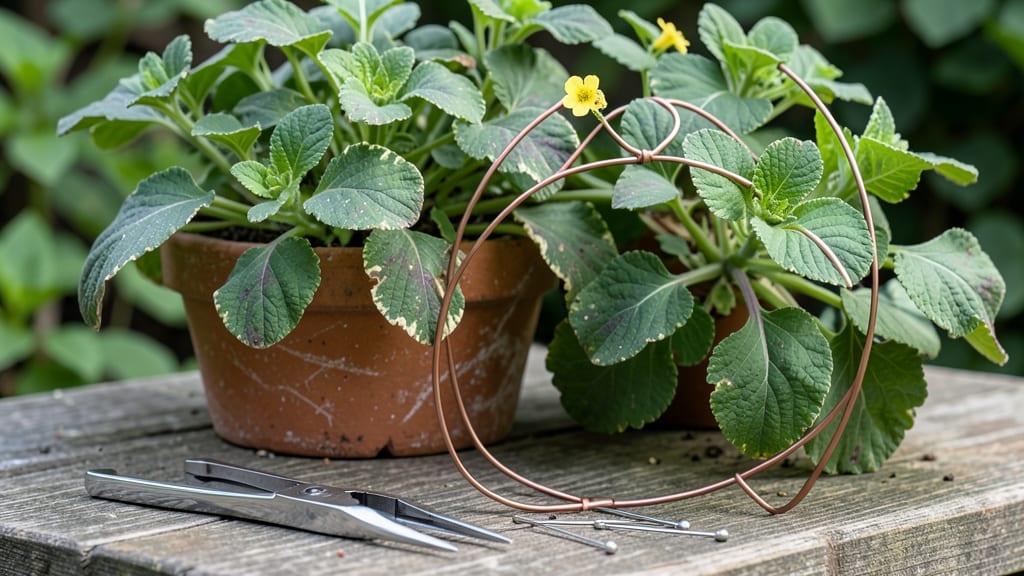
Mustard seed art turns ordinary garden spaces into striking visual statements with just a handful of seeds and a little creativity. 🌱 I’ve used these tiny powerhouses to create everything from seed mosaics to bold border accents, and they’re easier to work with than you’d think—no artistic degree required.
The secret lies in their vibrant yellow color and fast-growing habit. Plant them in geometric patterns along pathways, frame flower beds, or even spell out names in the lawn.
They’ll pop against green grass or mulch, adding a pop of sunshine that lasts until they bloom (and even when they go to seed). You’ll end up with a low-maintenance garden feature that thrives in full sun and well-drained soil. The best part?
Mustard seeds self-sow, so you’ll get free replanting every year. Pair them with lavender for contrast or let them stand alone as a bold statement. Works in any sunny spot—containers, borders, or even as a temporary accent. Here’s how to make it happen without breaking a sweat.
📚 In This Guide
- What you need
- Instructions
- Tips and common mistakes
- Wrapping up and next steps
What you need
- ● Mustard seeds – Choose Brassica juncea (oriental mustard) for vibrant yellow blooms or Brassica hirta (white mustard) for a contrasting look. Aim for 1–2 lbs (0.5–1 kg) per 100 sq ft of garden space.
- ● Garden soil or seed-starting mix – Well-draining, nutrient-rich soil (e.g., Miracle-Gro All Purpose Garden Soil) works best. Use 2–3 cubic feet per project.
- ● Watering can or hose with a gentle spray nozzle – Mustard seeds need consistent moisture; a 1-gallon watering can is ideal for small designs.
- ● Garden twine or string – For marking patterns (e.g., 50–100 ft of thin, biodegradable twine).
- ● Hand trowel or seed spreader – A small hand trowel for precision or a broadcast spreader for larger areas.
- ● Stencils or cardboard templates – Cut out designs (e.g., geometric shapes, letters) for crisp patterns.
- ● Ruler or measuring tape – Ensures even spacing between seeds (aim for ½–1 inch apart for dense growth).
- ● Garden gloves – Protects hands from soil and seeds (especially if you’re sensitive to mustard’s mild pungency).
- ● Organic mulch (e.g., straw or shredded leaves) – Lightly covers seeds to retain moisture (¼ inch layer max).
- ● Photographs or sketchpad – Plan your design layout before planting!
Step-by-step instructions for creating mustard seed art in your garden
Here's how to create striking garden accents using mustard seeds—it's easier than you think and adds instant drama to any outdoor space.
🌱 Step 1: Choose Your Design and Prepare the Base
Mustard seeds create bold, textured patterns when planted in geometric shapes or artistic outlines. Start by sketching your design on paper first—think of 3-4 inch wide stripes, swirls, or even your initials. I like to use a white garden marker to draw directly onto the soil for precision, but a wooden dowel works too if you prefer tactile lines.
Clear the planting area of weeds and smooth the soil surface. Mustard seeds need full sun to germinate quickly, so avoid shaded spots. If your design includes curves, use a flexible garden hose to create smooth arcs before planting. The key is to keep lines 1-2 inches wide for best visibility—narrower lines get lost in grass or mulch.
💧 Step 2: Plant the Seeds in Your Artistic Pattern
Scatter mustard seeds sparingly—they germinate densely, so aim for 3-4 seeds per square inch in your design area. I use a small spoon to distribute them evenly along my marked lines. Press the seeds just below the soil surface (about ¼ inch deep) with your finger or a wooden plant label to ensure good soil contact.
Water gently but thoroughly right after planting—soak the area until water runs out the bottom of the planting zone. Mustard seeds need consistent moisture to sprout uniformly. Watch for first green shoots in 5-7 days—this is your cue that germination is working. If you see uneven sprouting, add a light watering to encourage consistency.
☀️ Step 3: Maintain for Maximum Visual Impact
Mustard plants thrive in full sun and well-drained soil, so avoid overwatering once established. They grow 1-2 feet tall and produce bright yellow flowers that create striking contrast. I like to let them flower fully for 3-4 weeks before cutting back—this gives the boldest color impact. Use clean pruning shears to trim spent blooms at the base to encourage new growth.
For long-lasting designs, plant mustard seeds in early spring or late summer to avoid extreme heat. The seeds self-sow easily, so you might find new volunteers next season—just thin them to maintain your original design. If you want to preserve the look, consider planting annual ryegrass around the edges to create a clean border that frames your mustard seed art.
⏰ Step 4: Preserve and Refresh Your Garden Art
Mustard plants die back after flowering, so plan to replant seeds every 2-3 months for continuous color. I mark my planting dates on a garden calendar to keep the design fresh. For winter interest, try planting mustard seeds in container gardens and bringing them indoors before frost—just place them in a sunny window and enjoy the texture year-round.
To remove spent plants, pull them at the base when they turn brown. The roots break down easily, leaving no mess. For next season, sketch a new design—mustard seed art works beautifully in herb spirals, vegetable garden borders, or as a dramatic centerpiece in a flower bed. The possibilities are endless, and the results are always eye-catching!
Tips & tricks for perfect mustard seed art
Here's what nobody tells you about making your garden designs pop—these are the little details that turn good into show-stopping.
Design Tip: Sketch your pattern on paper first, then transfer it to the garden using a white garden marker or a wooden dowel. I learned this the hard way—trying to draw directly in the dirt leads to crooked lines. For curves, use a flexible garden hose as a guide before planting. The goal is clean, bold lines that are 1-2 inches wide—any narrower and they'll disappear in the grass.
Planting Technique: Mustard seeds are tiny but mighty—don't overplant! Aim for just 3-4 seeds per square inch along your marked lines. I use a small spoon to distribute them evenly, then press them lightly into the soil with my finger. The key is keeping them just below the surface—about ¼ inch deep. Too deep and they won't sprout; too shallow and they'll dry out.
Watering Wisdom: After planting, soak the area until water runs out the bottom—this ensures consistent moisture for uniform germination. Watch for those first green shoots in 5-7 days, but don't panic if some areas sprout earlier. Just add a light watering to even things out. Overwatering after germination is the real enemy—mustard plants thrive in well-drained soil and hate soggy roots.
Maintenance Secret: Let those bright yellow flowers bloom for 3-4 weeks before cutting back—the longer they flower, the bolder your garden accent will be. I use clean pruning shears to trim spent blooms at the base, which actually encourages new growth. For long-lasting designs, consider planting annual ryegrass around the edges to create a clean border that makes your mustard seed art stand out even more.
Pro Tips for Mustard Seed Art
- Here's what nobody tells you about making your garden designs pop—these are the little details that turn good into show-stopping.
- Design Tip: Sketch your pattern on paper first, then transfer it to the garden using a white garden marker or a wooden dowel.
- Planting Technique: Mustard seeds are tiny but mighty—don't overplant!
Frequently asked questions
Got questions about mustard seed art? We’ve got answers!
Here are some common queries—and troubleshooting tips—to help you create stunning garden accents with ease.
How long does it take for mustard seeds to grow into vibrant foliage?
Most mustard seed varieties (like Brassica juncea) sprout within 5–10 days and reach their bold, deep-green or purple hues in 3–4 weeks. For faster results, opt for pre-sprouted seeds or warm soil (65°F+). Cool weather slows growth, but they’ll still thrive—just give them a little extra time!
Can I use mustard seeds for art in containers or just in-ground gardens?
Mustard seeds grow beautifully in containers, hanging baskets, or even vertical planters. Use well-draining soil and ensure pots are at least 6–8 inches deep. For hanging displays, try trailing varieties like Brassica rapa—just secure them with lightweight netting to shape your design.
What’s the best way to shape mustard seed art into letters or designs?
Start by outlining your design with bamboo stakes or biodegradable twine to create a template. Plant seeds densely (about 1 inch apart) and water gently to encourage even growth. For sharper edges, press a wooden board along the outline after 2–3 weeks. Pro tip: Use a mix of fast-growing and slower varieties to layer textures!
My mustard seed art is growing unevenly—what went wrong?
Uneven growth often stems from inconsistent watering, poor soil drainage, or uneven seed spacing. Check for:
- Overcrowding: Thin seedlings to 4–6 inches apart for air circulation.
- Underwatering: Keep soil moist but not soggy (aim for 1 inch of water per week).
- Nutrient deficiency: Add a balanced fertilizer (10-10-10) if leaves yellow.
Are there low-maintenance alternatives to mustard seeds for garden art?
Yes! Try these easy, fast-growing options for similar bold effects:
- Crimson clover (red/pink blooms, drought-tolerant)
- Alyssum (tiny white/purple flowers, fragrant)
- Buckwheat (quick-growing, great for fall displays)
- Microgreens (edible, fast—ready in 1–2 weeks!)
Wrapping up and next steps
Mustard seed art is your ticket to transforming ordinary spaces into vibrant, eye-catching garden masterpieces—without the fuss! 🌱 Whether you're a seasoned gardener or a curious beginner, these bold, fast-growing plants offer endless creativity with minimal effort.
Start small, experiment with colors, and watch your outdoor space bloom into a stunning, low-maintenance display.
Ready to dive in? Grab your seeds, sketch your design, and let your garden tell a story! 🎨 Share your mustard seed art with us—we’d love to see your creations! 📸