
Lawn
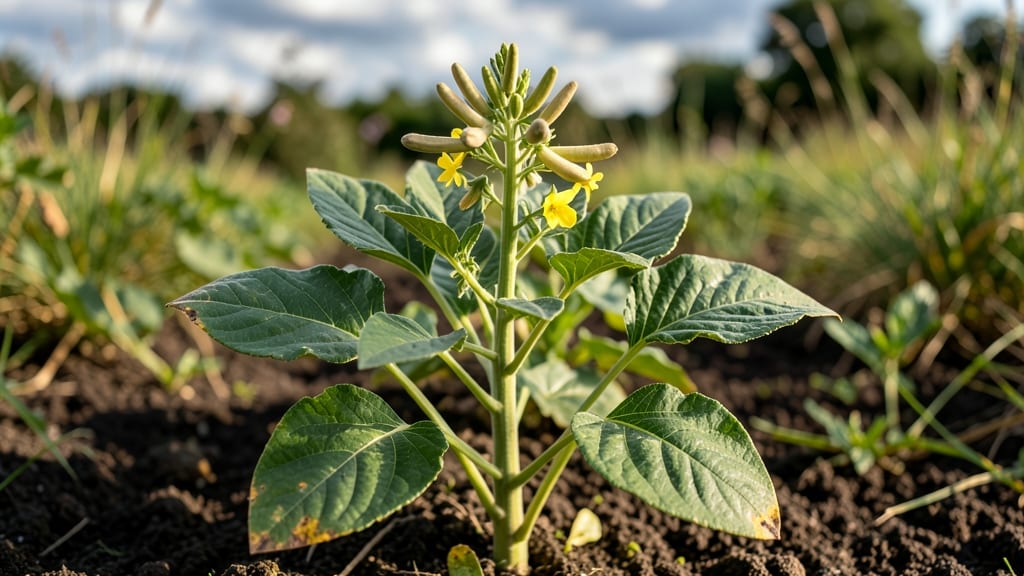
Growing mustard from seed to bold blooms in just 60 days—even when cold stress threatens—is easier than you think. 🌱 I learned the hard way that mustard thrives in cool weather, but with the right timing and care, you’ll skip the leggy, twisty plants that frustrate beginners.
The secret lies in soil prep, spacing, and a watering routine that keeps roots happy without drowning them.
Start with loose, well-draining soil mixed with compost—mustard hates soggy roots. Plant seeds ¼-inch deep, 6 inches apart in rows, and thin seedlings to 12 inches once they sprout.
Mustard loves sunlight but can handle partial shade, making it perfect for early spring or fall gardens where other veggies struggle. The first true leaves appear in 7-10 days, and that’s when you’ll know you’re on the right track.
By day 40, you’ll see those signature mustard flowers—bright yellow or white—popping up like fireworks. The plants stay productive for weeks, giving you edible greens for salads or ornamental blooms for cutting.
Even in cooler zones, mustard won’t bolt like other fast growers, so you can stretch your harvest longer than you’d expect.
Troubleshooting early struggles is simple: if seeds don’t sprout, check moisture and warmth (they need 60-70°F soil). Yellowing leaves? Too much water. Leggy stems? Not enough light.
With these tweaks, you’ll avoid the common pitfalls and end up with a garden that’s both productive and pretty—no twisty failures in sight.
📚 In This Guide
- What you need
- Instructions
- Tips and common mistakes
- Wrapping up and next steps
What you need
- ● Mustard seeds (e.g., Brassica juncea or Sinapis alba) – 2 lbs (enough for ~1,000 sq. ft.). Choose cold-hardy varieties like Tendergreen or Southern Curled.
- ● High-quality lawn soil or seed starter mix – 10 lbs. Ensure it’s well-draining and enriched with compost (20-30% organic matter).
- ● Organic fertilizer (slow-release, 10-10-10 or 5-10-10) – 1 lb. Look for cold-tolerant formulas with micronutrients like iron and zinc.
- ○ Lawn roller (optional but recommended) – 12-16" width, 50-100 lb weight. Helps ensure even seed-to-soil contact.
- ● Watering can or hose with a fine mist nozzle – For gentle, consistent moisture without displacing seeds.
- ● Broadcast spreader – Handheld or wheel-type (calibrated for seeds, not fertilizer). Adjust to 0.5–1 lb per 1,000 sq. ft..
- ● Rake (fine-toothed) – 8-12" width. Lightly scratch soil to a depth of ¼ inch before seeding.
- ● Garden gloves – Nitrile-coated for durability and grip.
- ● pH test kit – To check soil pH (ideal: 6.0–7.0). Adjust with lime (if pH ) or sulfur (if pH > 7.0).
- ○ Thermometer (soil) – Optional but helpful. Mustard seeds germinate best in 45–85°F soil.
- ● Sunlight: Full sun (6+ hours/day). Partial shade (4–6 hours) is tolerable but may slow growth.
- ○ Soil temperature: 40–85°F. Use a black plastic mulch (optional) to warm soil in early spring/fall.
- ● Moisture control: Consistent dampness (not soggy). Water twice daily (morning/evening) for the first 10 days.
- ○ Weed barrier: Pre-emergent herbicide (optional) applied 2 weeks before seeding to prevent competition.
How to grow mustard greens from seed to harvest in 60 days
Here's the straightforward method I use to grow cold-hardy mustard greens—no fuss, no complicated tricks.
🌱 Step 1: Direct-Sow Seeds When Soil Reaches 40°F
Mustard thrives in cool weather, so wait until your soil temperature hits 40°F before planting. I test this by sticking a thermometer in the ground—if it's cooler, the seeds won't germinate well. Scatter seeds ¼ inch deep in rows 12-18 inches apart (they spread fast!).
Don't worry about spacing too closely yet—mustard greens grow quickly, and you can thin them later. Just make sure the soil is loose and well-drained; mustard hates soggy roots. A light raking before sowing helps break up any compaction.
💧 Step 2: Keep Soil Consistently Moist Until Germination
Water the seeds gently but thoroughly right after planting—mustard seeds need steady moisture to sprout. I use a fine spray nozzle to avoid washing them away. Keep the soil evenly damp (not soggy) until you see first true leaves appear, which usually takes 5-10 days in ideal conditions.
Here's the thing—mustard seeds germinate best in 55-75°F soil. If your nights dip below 45°F, cover the bed with a lightweight row cover to protect young sprouts. Once they emerge, water at the base to prevent fungal issues on the leaves.
☀️ Step 3: Thin Seedlings to 4-6 Inches Apart
When seedlings reach 2 inches tall, thin them to 4-6 inches apart in rows. I use sharp scissors to snip unwanted plants at soil level—this prevents disturbing the roots of the ones you keep. The thinnings make great microgreens if you harvest them young!
Thinning ensures your mustard has space to grow broad, flavorful leaves instead of competing for sunlight. If you're growing for baby greens, you can leave them closer together—just 3-4 inches apart. Watch for first yellowing leaves as a sign of overcrowding.
✂️ Step 4: Harvest Outer Leaves When Plants Are 6-8 Inches Tall
Mustard greens are ready to harvest 6-8 weeks after sowing, but you can start picking outer leaves as soon as the plants are 6 inches tall. Use clean scissors or fingers to snip leaves at the base—this encourages more growth. I harvest in the morning when leaves are crisp and flavorful.
For a full harvest, cut the entire plant 2 inches above the soil when it bolts (sends up a flower stalk). If you want to extend the season, succession plant every 2 weeks—this keeps a steady supply of greens even in cooler months.
🌿 Step 5: Protect from Bolting in Warm Weather
Mustard greens bolt (go to seed) quickly when temperatures rise above 75°F. To delay bolting, provide partial shade with a 30% shade cloth during hot afternoons. I also mulch with 1-2 inches of straw to keep the soil cool and moist.
If bolting happens, don’t panic—you can still harvest the leaves before the plant flowers. For a second crop, replant seeds in late summer for a fall harvest. Mustard greens are tough and resilient, so they’ll reward you with flavor even in less-than-perfect conditions.
Tips & tricks for perfect mustard greens growth
Growing mustard greens successfully comes down to a few key tricks that keep them thriving in cool weather. Here's what I've learned after years of growing these resilient greens.
Soil Temperature Secret: That 40°F soil temperature in Step 1 isn't just a suggestion—it's crucial for germination. I've seen seeds fail to sprout when planted too early in cold soil. Use a soil thermometer to confirm temperature before planting. If your soil runs cooler than 40°F, wait a few more days or consider using a cold frame to warm the soil faster.
Germination Guard: The 5-10 day germination window in Step 2 can feel like an eternity, but consistency is key. I set a reminder to check moisture levels daily during this period. A lightweight row cover becomes your best friend when nighttime temperatures dip below 45°F—it creates a microclimate that protects tender sprouts without overheating them.
Thinning Technique: When thinning seedlings in Step 3, I always work on a dry day to prevent mud from sticking to my hands and tools. The 4-6 inch spacing might seem generous, but it prevents the dreaded "mustard greens taste like dirt" scenario that happens when plants get overcrowded. Those thinnings? Don't toss them—chop them up for pesto or stir-fries!
Harvest Timing: The 6-8 week harvest window in Step 4 gives you flexibility, but morning harvests are always better. Leaves contain the most nutrients first thing in the morning, and the cool temperatures help preserve their crisp texture. If you notice the plants sending up flower stalks (bolting), harvest everything immediately—the leaves will still be flavorful, even if the plant isn't producing greens anymore.
Pro Tips for Mustard Seed Grown Up
- Growing mustard greens successfully comes down to a few key tricks that keep them thriving in cool weather.
- Soil Temperature Secret: That 40°F soil temperature in Step 1 isn't just a suggestion—it's crucial for germination.
- Germination Guard: The 5-10 day germination window in Step 2 can feel like an eternity, but consistency is key.
Frequently asked questions
How do I prevent mustard plants from bolting (flowering too early) in cold weather?
Mustard seeds love cool weather but bolt when temperatures rise. Start seeds indoors 4–6 weeks before the last frost, then transplant seedlings outdoors when soil temps are below 70°F. Use shade cloth if daytime temps creep above 65°F. Pro tip: Choose slow-bolting varieties like ‘Southern Giant Curled’ for extra time in the garden.
Can I grow mustard greens in winter or early spring?
Mustard thrives in cold-stressed conditions—perfect for late fall or early spring. Direct-sow seeds when soil temps are between 40–60°F, and protect seedlings with row covers if frost threatens. Harvest leaves before bolting for tender greens. Bonus: Mustard’s peppery kick adds flavor to salads even in winter!
What’s the fastest way to harvest mustard greens without waiting for full maturity?
For baby greens, harvest 3–4 weeks after sowing by snipping outer leaves with clean scissors. Avoid cutting more than 1/3 of the plant at once to encourage regrowth. For mature leaves, wait 4–6 weeks and harvest entire plants. Pro tip: Succession plant every 2 weeks for a continuous harvest!
What can I do if my mustard plants develop yellow leaves or pests?
Yellow leaves often signal overwatering or nutrient deficiency. Ensure soil drains well and amend with compost. For pests like aphids or flea beetles, spray plants with neem oil or introduce beneficial insects like ladybugs. Quick fix: Rotate crops next season to break pest cycles.
Are there mustard varieties that are easier to grow for beginners?
Yes! Try ‘Tendergreen’ for mild, tender leaves or ‘Red Giant’ for bold flavor and cold hardiness. Both bolt slowly and are forgiving of less-than-perfect conditions. Bonus: ‘Southern Curled’ is great for hotter climates if you’re pushing the 60-day limit.
How do I extend the harvest season beyond 60 days?
Successive planting is key! Sow new seeds every 2–3 weeks to stagger maturity. Use row covers to delay bolting in warm spells, or opt for shade-tolerant varieties like ‘Florida Broadleaf’. Pro tip: Harvest seeds from mature plants to save for next year’s garden!
Wrapping up and next steps
The journey of growing a mustard seed into a thriving bloom in just 60 days—without the usual twist struggles—shows how patience and the right techniques can transform even the coldest challenges into success. 🌱 Whether you’re a seasoned gardener or a curious beginner, this method proves that resilience and preparation go a long way.
Now that you’re armed with the knowledge, it’s time to roll up your sleeves and get planting!
🌟 Your Next Step:
- Pick your favorite mustard variety and start small—even a single seed can spark big results!
- Share your progress with fellow gardeners for extra motivation and tips.
- Experiment with other cold-hardy plants to expand your green thumb skills.