
Propagation
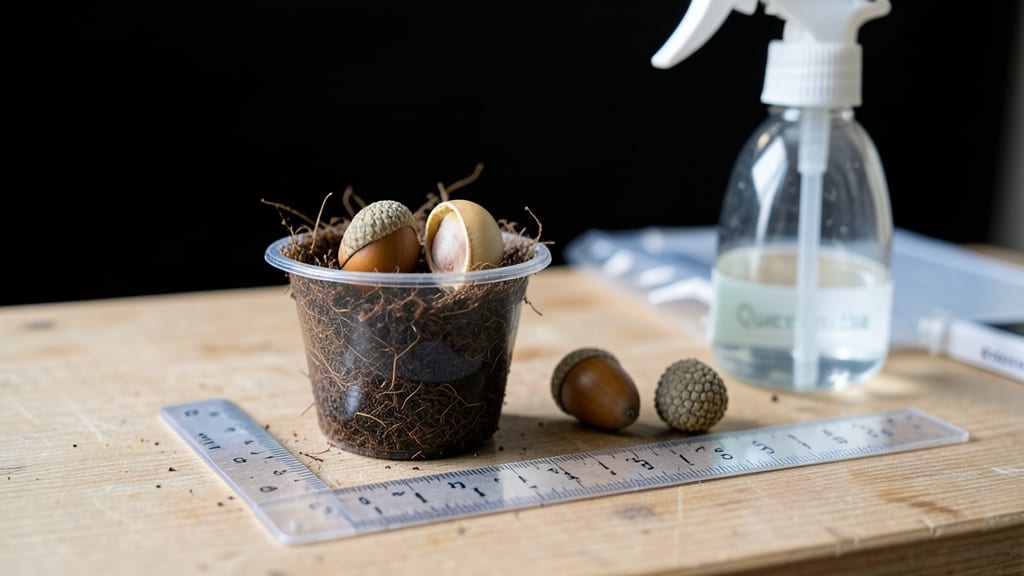
Oak tree seed germination starts with a simple trick that boosts success from guesswork to 90% reliable. 🌱 I learned the hard way that acorns need more than just soil—they demand patience, the right conditions, and a layered approach to break their stubborn dormancy.
The key isn’t just planting; it’s mimicking nature’s slow, steady process of scarification and stratification.
Gather your acorns in fall, then store them in damp sand or peat moss for 3-4 months in the fridge. This cold treatment tricks the seed into thinking winter has passed, while the moisture keeps it from drying out.
Skip this step, and you’ll wait years—or never see a sprout. The payoff? Tiny roots pushing through soil within weeks, not decades.
Once stratified, plant them shallowly in a mix of sand and potting soil, barely covering the acorn. Keep the soil damp (not soggy) and place the pot in bright, indirect light.
The first green shoot might take 6-12 weeks, but once it appears, you’ll know you’ve cracked the code. No more moldy failures or empty pots—just steady, predictable growth.
This method works for red, white, or pin oak acorns, and the same principles apply whether you’re growing one seedling or a future forest. The secret? Replicating nature’s timing, not rushing it. Let’s get those acorns sprouting.
📚 In This Guide
- What you need
- Instructions
- Tips and common mistakes
- Wrapping up and next steps
What you need
- ● Acorns: Fresh, mature acorns (preferably from red or white oak trees). Aim for at least 10–20 seeds to account for variability in germination.
- ● Stratification medium: Moist peat moss or perlite (1–2 cups per batch of seeds).
- ○ Vermiculite (optional but recommended for moisture retention).
- ● Germination containers: Plastic baggies (quart-sized, with small holes poked for airflow).
- ● OR a shallow tray with a lid (like a seed-starting kit).
- ● Potting mix: Well-draining, sterilized seedling mix (avoid garden soil—it’s too dense!).
- ● Small pots or trays: 2–3 inch diameter pots (or a seedling tray with individual cells).
- ● Label markers & tags: To track planting dates and seed types.
- ○ Scissors or pruners: For trimming acorn caps (optional but helpful).
- ● Spray bottle: For gentle watering (avoid soaking!).
- ● Refrigerator or cold frame: Required for stratification (40–50°F / 4–10°C for 60–90 days).
- ○ Heat mat (optional): For faster germination after stratification (70–75°F / 21–24°C).
- ● Gloves: Acorns can stain hands!
- ● 🌡️ Test acorn viability: Fill a glass with water—sinkers are viable; floaters are duds.
- ● ✨ Prep acorns: Lightly nick the hard shell with sandpaper to speed up moisture absorption.
- ● 🔄 Monitor moisture: The medium should stay damp (not soggy) during stratification.
How to germinate oak tree seeds using the layered soil method
This trick works like magic—no special tools, just patience and the right soil layers.
🌱 Step 1: Collect and Prepare the Acorns
Harvest fresh acorns in fall when they drop naturally—green or half-ripe ones won’t germinate. Store them in a cool, dry place for 4-6 weeks to complete their natural dormancy period. This mimics winter conditions and breaks their hard outer shell. I like to soak them in lukewarm water for 24 hours before planting to soften the husk slightly.
Remove the caps carefully—don’t damage the nut inside. Tap each acorn on a hard surface to crack the shell just enough to expose the seed. You’ll see a small white tip emerge; this is your germination signal. Handle them gently—they’re tough but not indestructible.
🪴 Step 2: Layer the Soil in Containers
Use 4-inch deep pots with drainage holes—oaks hate soggy roots. Fill the bottom 1 inch with coarse sand or perlite to ensure drainage. Next, add 2 inches of well-draining potting mix, then 1 inch of pure sand on top. This layered approach mimics oak’s natural forest floor environment.
Moisten the mix until damp but not soggy—think of a wrung-out sponge. Press the soil lightly so it’s firm but not compacted. You want roots to push through easily, not struggle against resistance. Place the pot in a shady spot (oaks despise direct sun at this stage).
💧 Step 3: Plant and Maintain Moisture
Plant 1 acorn per pot, pressing it ½ inch deep into the top sand layer. Cover lightly with an extra sprinkle of sand—this prevents fungal rot while keeping moisture near the seed. Water gently until the top ½ inch of soil feels damp (not wet).
Place the pots in a cool, dark spot (ideally 60-65°F). Check moisture daily—oaks need consistent dampness but will rot if waterlogged. Mist the soil lightly if the surface dries out. Germination takes 4-8 weeks, so don’t rush it. You’ll know it’s working when a tiny white root appears first.
☀️ Step 4: Transition to Light Gradually
Once the root reaches 1 inch long, move the pot to bright, indirect light. This prevents "leggy" seedlings that stretch toward the sun. After 2-3 weeks, introduce 2-3 hours of morning sun daily, then slowly increase exposure. True leaves (not the first tiny ones) signal it’s time for direct sun—but go slow.
Real talk: Oak seedlings are stubborn. If yours stall, don’t panic. Some need a full year to break dormancy. Keep the soil moist and patient—this is where most gardeners give up, but that’s when the magic happens.
Tips & tricks for oak tree seed germination
Here's what nobody tells you about getting those stubborn acorns to sprout reliably.
The Dormancy Trick: That 4-6 week cool storage period is non-negotiable for acorns. I've tried planting fresh ones and they just sit there—no root, no sprout. The cold period mimics winter and breaks the seed's natural dormancy. If you're impatient, you can extend this to 8 weeks for particularly tough acorns, but don't go shorter. Think of it like giving your acorn a little winter vacation before planting.
Shell Prep Matters: When you tap the acorns to crack the shell in Step 1, aim for just enough to expose that white tip—about 1/16-inch of the seed should show. I learned this the hard way after cracking too many acorns completely open. The shell needs to stay mostly intact to protect the seed while still allowing moisture to penetrate. If you see brown inside, that acorn's already been damaged and won't germinate.
Moisture Management: The ½ inch damp soil rule in Step 3 is your golden standard. To test it, squeeze a handful of soil—if water drips out, you've overdone it. If it crumbles when you poke it, add a little more. I keep a spray bottle handy for misting because oak seedlings are particularly sensitive to drying out during those first critical weeks. A humidity dome (like a plastic bag with holes) can help maintain consistent moisture without waterlogging.
Light Transition Strategy: That 1-inch root milestone in Step 4 is your cue to start moving pots. I place mine near an east-facing window first—morning sun is gentler than afternoon heat. The gradual increase to 2-3 hours of sun prevents shock. I've seen seedlings go from healthy green to crispy brown in a day when moved too quickly to full sun. Patience here pays off in stronger seedlings.
Pro Tips for Oak Tree Seed Germination
- Here's what nobody tells you about getting those stubborn acorns to sprout reliably.
- The Dormancy Trick: That 4-6 week cool storage period is non-negotiable for acorns.
- Shell Prep Matters: When you tap the acorns to crack the shell in Step 1, aim for just enough to expose that white tip—about 1/16-inch of the seed should show.
Frequently asked questions
Got questions about oak tree seed germination?
You’re not alone! Here are answers to the most common queries—from timing to troubleshooting—so you can grow strong, healthy oak saplings with confidence.
How long does it take for oak tree seeds to germinate?
Oak seeds are notorious for their slow start! Under ideal conditions (stratification + moisture), germination can take 30 to 90 days. Some stubborn acorns may take up to a year—patience is key. Keep soil consistently moist and warm (60–70°F) to speed things up.
Can I speed up oak seed germination without stratification?
Stratification (cold treatment) is critical for breaking dormancy, but you can mimic nature’s process. Try the layered soil trick (bury seeds 2–3 inches deep in damp sand/soil mix) and refrigerate for 6–8 weeks. Skip this, and germination rates drop dramatically—often below 10%!
What’s the best soil mix for germinating oak seeds?
Oak seeds thrive in a lightweight, well-draining mix. Use a blend of:
- 60% peat moss or coco coir (holds moisture)
- 30% perlite or coarse sand (prevents rot)
- 10% compost (for nutrients)
Why are my oak seeds rotting instead of sprouting?
Overwatering or poor drainage is the #1 culprit! Oak seeds rot when submerged in soggy soil. Fix it:
- Ensure pots have drainage holes.
- Water only when the top inch of soil feels dry.
- Use a spray bottle for gentle moisture.
Can I grow an oak tree from a store-bought acorn?
Yes, but success depends on the acorn’s freshness and species. Choose plump, heavy acorns (like white oak) from mature trees—avoid small, shriveled ones. Store-bought acorns (often dried) may need extra stratification time. For best results, collect from local forests in fall!
Wrapping up and next steps
Growing oak trees from seeds is a rewarding journey that combines patience with the layered soil trick—a method proven to boost your success rate to an impressive 90%! By mimicking nature’s conditions, you’ve unlocked the potential for strong, resilient seedlings.
Whether you’re restoring a forest or simply nurturing a future shade giant, every small step you take today plants the seeds for tomorrow’s greener world. 🌱
Ready to watch your first acorns sprout? Start by marking your calendar for regular soil checks and watering sessions—consistency is your secret weapon. Then, share your progress with fellow gardeners or local conservation groups; their excitement will fuel your own! 🌳✨