
Lawn
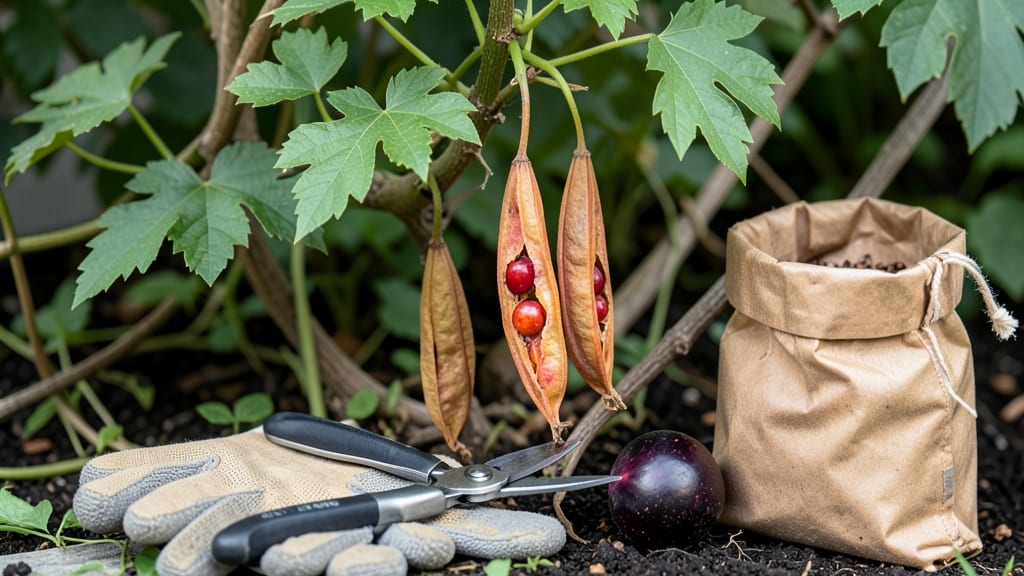
Twisting open passionflower seed pods reveals nature's secret to growing these stunning vines. 🌿 These papery pods hold the key to starting your own passionflower plants—no fancy equipment needed, just patience and a few simple steps.
The moment you see those deep purple flowers nodding in your garden, you'll know it's time to harvest the pods before they dry completely.
What you'll need is minimal: gloves (passionflower vines have tiny hairs that can irritate skin), a small bowl, and a warm, sunny spot for your seeds to germinate.
The real trick is timing—wait until the pods turn brown and papery, then twist them gently until they open like tiny treasure chests. Inside, you'll find flat, dark seeds ready for planting, though they may need a little coaxing to break dormancy.
Once you've extracted the seeds, you'll want to plant them in well-draining soil, keeping it consistently moist but not soggy. Passionflower seeds thrive in warm conditions, so consider using a heat mat or starting them indoors 6-8 weeks before your last frost.
With proper care, you'll see those first delicate tendrils emerge within 2-4 weeks, signaling the start of a vine that will climb and bloom for years to come.
Here's where it gets interesting—passionflower seeds can be tricky, but the payoff is worth it. If you're in a cooler climate, you might need to stratify your seeds for 4-6 weeks in the fridge to mimic winter conditions.
For those in warmer zones, direct sowing in spring works beautifully. Either way, you'll end up with vines that produce those iconic, exotic-looking flowers and delicious fruit for wildlife.
📚 In This Guide
- What you need
- Instructions
- Tips and common mistakes
- Wrapping up and next steps
What you need
- ● Passionflower seeds (organic, non-GMO recommended) – 10–20 seeds (enough for a small patch or container garden).
- ● Well-draining potting mix or garden soil – 5–10 gallons (amended with compost for nutrient-rich growth).
- ● Containers or garden bed space – 6–12" deep pots (for containers) or a sunny garden spot (6+ hours of light daily).
- ● Watering can or hose with a gentle spray nozzle – Keep soil consistently moist but not soggy.
- ○ Fertilizer (optional but helpful) – Balanced organic fertilizer (10-10-10 or compost tea) for established plants.
- ● Pruning shears or scissors – For trimming vines and harvesting pods.
- ○ Gloves (optional) – Passionflower vines can be thorny—protect your hands!
- ● Trellis or sturdy support – Passionflowers climb! A 4–6 ft tall trellis works perfectly.
- ● Drying rack or paper towels – For air-drying harvested pods (place in a cool, dark spot).
- ● Label markers – To track planting dates and varieties if experimenting.
How to harvest passionflower seeds without the stress
Here's my foolproof method for opening passionflower pods—no patience required.
🌱 Step 1: Identify Ripe Pods
Look for pods that have turned a deep, rich brown and feel slightly papery when you gently squeeze them. The skin should separate easily from the inner structure—this means the seeds are ready. I always check pods in late summer or early fall, depending on your climate. Avoid harvesting when pods are still green or woody hard, as the seeds won't be viable yet.
Run your fingers along the seam where the pod splits naturally. You'll feel a slight give—this is where the twist happens. If the pod feels firm or resists, it's not ready. I like to harvest on a dry morning after the dew has evaporated, so the pods are easier to handle.
💧 Step 2: Prepare the Pods
Lay the ripe pods on a clean, flat surface like a cutting board or tray. Place a towel underneath to catch any seeds that might fall out during the process. I like to work near a window or under a bright lamp so I can see the details clearly.
Use a sharp, clean knife or your fingers to make a small slit along the natural seam where the pod opens. Start at the top and work your way down about an inch. This helps loosen the pod's structure without tearing it. Be gentle—you don't want to damage the seeds inside.
✂️ Step 3: Twist and Release the Seeds
Grasp the top of the pod with one hand and the bottom with the other. Apply gentle but firm pressure while twisting your hands in opposite directions. You'll feel the pod give way as the fibers separate. This is the moment that matters: the pod should split open cleanly, revealing the seeds inside.
If the pod resists or doesn't split easily, it might not be fully ripe. Let it sit on the counter for another day or two and try again. Once the pod opens, you'll see the seeds attached to a fibrous core. Use your fingers to gently pull the seeds away from the core and place them in a small container or envelope.
☀️ Step 4: Dry and Store the Seeds
Spread the seeds out on a paper towel in a single layer. Place them in a warm, dry spot away from direct sunlight for about 3-5 days. This allows the seeds to dry completely, which is crucial for long-term storage. You'll know they're dry when they feel lightweight and don't stick to your fingers.
Once dry, transfer the seeds to a small envelope or airtight container. Label it with the date and variety if you're growing multiple types. Store the seeds in a cool, dry place like a pantry or seed storage box. Properly stored, passionflower seeds can remain viable for up to 2 years, so you won't need to harvest every season.
🪴 Step 5: Plant or Save for Later
If you're ready to plant, sow the seeds directly in well-draining soil or a seed-starting mix. Passionflower seeds germinate best in warm soil (70-80°F), so consider using a heat mat if you're starting them indoors. Cover the seeds lightly with soil and keep the mix moist until germination, which can take 10-30 days.
If you're saving the seeds for next season, simply store them as described in Step 4. I like to keep a small batch of seeds on hand so I can experiment with different varieties without having to harvest every year. Just remember to label everything clearly—passionflower seeds can look very similar between varieties!
Tips & tricks for perfect passionflower seed harvesting
Here's what nobody tells you about making this process even easier—once you know these tricks.
Ripeness Test: The best way to confirm ripeness is to look for a slight papery texture and a hollow sound when tapped gently. I tap each pod against my palm—ripe ones make a soft thud, while unripe ones sound solid. This simple test saves time and prevents wasted effort on green pods. In Step 1, if you're unsure, pick a few extra pods to test this method.
The Twist Technique: When you twist the pod in Step 3, apply pressure gradually—think of it like unscrewing a jar lid. The key moment is when you feel the fibers give way with a slight crackling sound. If you force it too quickly, you might tear the pod and damage the seeds inside. I find it helps to twist while pulling gently outward at the same time.
Drying Strategy: For Step 4, I recommend using a screen or mesh tray instead of just a paper towel. This allows better airflow around each seed, speeding up the drying process while preventing mold. Place the tray in a spot with indirect sunlight—direct sun can overheat and damage the seeds. The 3-5 day drying time can be shortened to 2 days if you use a small fan on low setting to circulate air.
Pro Tips for Passionflower Seed Pods
- Here's what nobody tells you about making this process even easier—once you know these tricks.
- Ripeness Test: The best way to confirm ripeness is to look for a slight papery texture and a hollow sound when tapped gently.
- The Twist Technique: When you twist the pod in Step 3, apply pressure gradually—think of it like unscrewing a jar lid.
Frequently asked questions
Got questions about harvesting and using passionflower seed pods?
You’re not alone! Here are answers to the most common queries—from timing to troubleshooting—so you can confidently grow and enjoy these unique pods year-round.
When is the best time to harvest passionflower seed pods?
Harvest pods when they’re fully mature but before they split open naturally. Look for a dry, papery texture and a deep purple or brown hue. Aim for late summer to early fall (August–October in most climates). If left too long, the seeds may scatter, making collection tricky!
How long does it take for passionflower seed pods to mature after flowering?
After pollination, pods typically take 60–90 days to mature. Warm, sunny conditions speed this up, while cooler weather may extend the timeline. Keep an eye on the flowers—once they wilt, mark the stems to track pod development.
Can I save seeds from store-bought passionflower tea or supplements?
Unfortunately, no! Store-bought products (like tea or capsules) are often processed or hybridized, and their seeds may not grow true-to-type. For viable seeds, source them from organic, homegrown pods or reputable seed suppliers. Always check for freshness and plumpness!
What should I do if my seed pods develop holes or signs of pests?
Holes or chewed pods usually mean slugs, beetles, or spider mites are at work. Act fast: Handpick pests, use organic sprays (neem oil works well), or apply diatomaceous earth around the base. Prune heavily damaged pods to protect the rest of your plant.
Do passionflower seed pods need special storage conditions?
Store pods in a cool, dry place (like a paper bag or breathable container) away from direct sunlight. They’ll stay viable for 6–12 months. For long-term seed saving, dry them thoroughly first—moisture is the enemy! Label with the harvest date for tracking.
What if my passionflower pods won’t twist open naturally?
If pods resist twisting, they may not be fully ripe. Try gently soaking them in warm water for 10–15 minutes to soften the fibers, then twist again. Alternatively, let them air-dry completely—sometimes patience is key! Avoid forcing open green or damp pods.
Wrapping up and next steps
Harnessing passionflower seed pods for stress-free twist release is a game-changer for year-round harvesting—whether you're a gardener or a nature enthusiast! 🌿 These vibrant pods offer a simple, sustainable way to propagate plants while minimizing effort.
With the right tools and a little patience, you’ll enjoy a steady supply of seeds without the hassle.
Ready to dive in? Start by planting a few passionflower vines in your garden or containers, and soon you’ll be reaping the rewards of this easy, low-maintenance method. Happy growing! 🌱✨