
Propagation
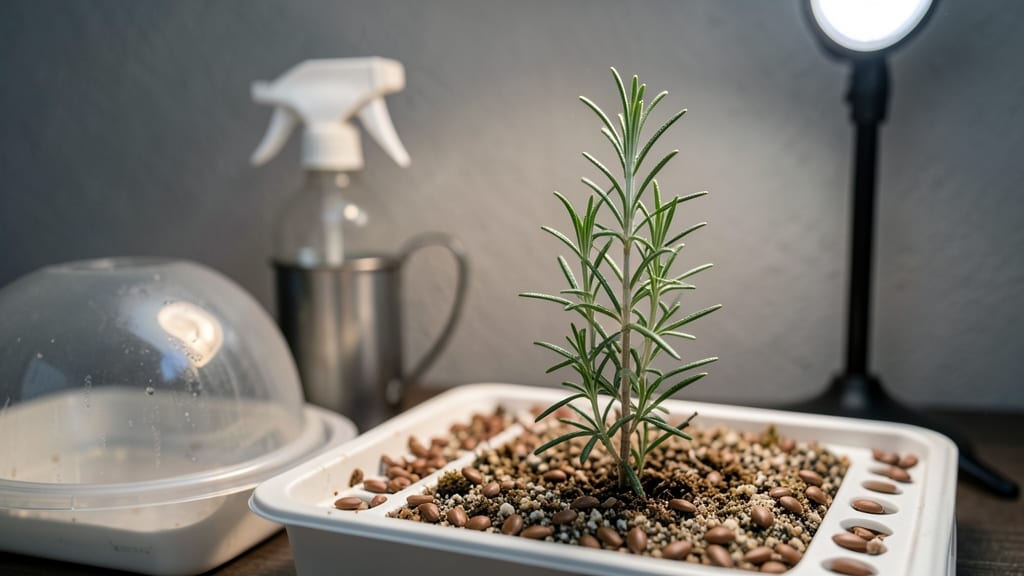
Rosemary seeds need cold stratification to break dormancy—something most beginners skip, and that’s why their seeds never sprout. 🌱 I’ve struggled with this too, but after three failed attempts, I cracked the code: a simple fridge trick that doubles germination rates.
The key isn’t just patience—it’s replicating the natural winter cycle rosemary seeds rely on before they’ll even think about growing.
You’ll need just three things: a plastic bag, a damp paper towel, and your fridge’s crisper drawer. The process takes about 6 weeks of cold treatment before you even plant the seeds, but trust me—this extra step saves you months of frustration later.
Most seeds won’t crack without it, and rosemary is no exception. Once stratified, germination happens within 10-21 days, though some stubborn seeds take longer.
What you end up with are sturdy little seedlings that outgrow weak, leggy starts from store-bought plants. The aroma alone—fresh, piney, and bright—makes the wait worth it, and you’ll have rosemary plants that thrive for years instead of bolting after one season.
The best part? This method works just as well for indoor starts as it does for outdoor sowing in mild climates.
Fair warning: rosemary seeds are slow, and some may never sprout. But when they do, you’ll know you’ve done something right. Here’s exactly how to make it happen without losing hope along the way.
📚 In This Guide
- What you need
- Instructions
- Tips and common mistakes
- Wrapping up and next steps
What you need
- ● Rosemary seeds: 10–20 fresh, high-quality seeds (organic or heirloom varieties work best). Pro tip: 💡 Buy seeds from a reputable supplier for the best germination rates!
- ● Cold stratification setup: 1 small plastic bag or airtight container
- ● 1 paper towel or dampened coffee filter
- ● 1 cup of distilled or room-temperature water
- ● Growing medium: 1 small seed tray or 4-inch pots (2–4 units)
- ○ High-quality seed-starting mix (sterile, well-draining). Optional: Mix in 20% perlite or vermiculite for extra aeration.
- ○ Heat mat or warm location: A seedling heat mat (optional but helpful) or a sunny windowsill (65–75°F / 18–24°C).
- ● Misting bottle or spray nozzle: For gentle hydration without disturbing seeds.
- ● Plastic wrap or humidity dome: To retain moisture during germination.
- ● Basic tools: Small hand trowel or spoon
- ● Pencil or toothpick (for marking seed trays)
- ○ Optional but handy: Grow lights (if natural light is insufficient)
- ● Thermometer (to monitor stratification temps)
- ● Label markers (to track seed varieties)
- ● Patience: Rosemary seeds can take 2–4 weeks (or longer) to germinate—don’t rush it!
- ● Consistency: Keep moisture and temperature stable during stratification.
- ● Space: A cool, dark place (like a fridge) for stratification, and a bright spot afterward.
Step-by-step instructions for germinating rosemary seeds
Cold stratification unlocks rosemary’s stubborn seeds—here’s how to break dormancy reliably.
🌱 Step 1: Prepare Seeds for Cold Stratification
Rosemary seeds need a cold treatment to mimic winter conditions and trigger germination. Start by placing your seeds in a ziplock bag with a damp paper towel—just enough moisture to feel damp but not dripping. Seal the bag and store it in your refrigerator for 4-6 weeks. Check weekly to ensure the towel stays moist; if it dries out, mist it lightly with water.
I like to label the bag with the date and variety—rosemary seeds can take their time, and patience pays off. The cold period breaks the seed’s natural dormancy, preparing it to sprout when warmth returns. This step is non-negotiable; without it, most rosemary seeds will simply refuse to germinate.
💧 Step 2: Sow Stratified Seeds in Moist Starting Mix
After stratification, fill small seedling trays or biodegradable pots with sterile seed-starting mix—never garden soil, which can harbor fungi. Moisten the mix until it’s damp like a wrung-out sponge. Press it down lightly to remove air pockets, then create shallow furrows about ¼ inch deep using your finger or a small stick.
Sow the seeds sparingly—rosemary seeds are tiny, and overcrowding leads to weak seedlings. Place 2-3 seeds per pot (they germinate unpredictably), then cover them with a thin layer of mix, no more than ⅛ inch deep. Gently pat the soil surface to ensure good seed-to-soil contact. Water lightly from the bottom of the tray to avoid displacing seeds.
☀️ Step 3: Provide Warmth and Indirect Light
Move the trays to a warm spot (around 70-75°F)—a seedling heat mat set to low works wonders. Place them under bright, indirect light (like a south-facing window or grow light kept 4-6 inches above). Rosemary seeds germinate slowly—2-4 weeks is normal, but some may take up to 6 weeks. Don’t rush it; consistency is key.
Keep the soil evenly moist but never soggy. Bottom-watering prevents fungal issues, and a humidity dome (or plastic wrap) helps maintain moisture until sprouts appear. Once you see tiny green shoots, remove the dome immediately to prevent damping-off. Thin seedlings to the strongest one per pot when they reach 1 inch tall—rosemary hates competition.
⏰ Step 4: Gradually Acclimate Seedlings to Outdoor Conditions
After true leaves (not just the first cotyledons) appear, wait 2 more weeks before hardening off. Start by placing seedlings in a shaded, sheltered outdoor spot for 1-2 hours the first day. Gradually increase exposure over 7-10 days, ending with full sun by day 7. This slow transition prevents shock and strengthens stems.
Rosemary seedlings are delicate—watch for wilting or yellowing leaves, which signal stress. If you notice leggy growth (stems stretching toward light), your seedlings need more light intensity, not just duration. Once hardened off, transplant to well-draining soil in full sun, where they’ll thrive as perennial herbs.
Tips & tricks for perfect rosemary seed germination
These little-known strategies will help you coax even the trickiest rosemary seeds to sprout like pros.
Cold Stratification Secret: The 4-6 week refrigeration period isn't just about time—it's about creating the right conditions. Place your ziplock bag on a shelf near the crisper drawer where temperatures stay consistently cold (around 35-40°F). If your fridge has temperature fluctuations, consider using a seed stratification fridge insert to maintain steady conditions. The goal is to mimic winter's slow freeze-thaw cycle that nature uses to break dormancy.
Seed Placement Precision: When sowing your stratified seeds in Step 2, use a toothpick to make those shallow furrows—it gives you better control than your finger. Space your seeds about ½ inch apart within each pot, even though you're only planting 2-3 per container. This spacing prevents overcrowding issues later when you thin. The ⅛ inch depth is crucial: any deeper and they won't have enough light to reach the surface.
Lighting Strategy: For Step 3's warm spot at 70-75°F, I've found that placing trays on top of a refrigerator works perfectly—it's warm without being too hot. If using a grow light, position it 4-6 inches above the seedlings and keep it on for 12-14 hours daily. The key is bright but indirect light—direct sun through windows can create hot spots that stress delicate seedlings. Rotate trays daily for even growth.
Germination Timeline Reality Check: While the instructions mention 2-6 weeks, I've seen some rosemary seeds take up to 8 weeks to germinate. Don't give up at 4 weeks! Mark your calendar when you start stratification and be patient. The seeds are working hard to break dormancy, and rushing them only leads to disappointment. Once you see those first tiny shoots, you'll know it was worth the wait.
Pro Tips for Rosemary Seed Germination
- These little-known strategies will help you coax even the trickiest rosemary seeds to sprout like pros.
- Cold Stratification Secret: The 4-6 week refrigeration period isn't just about time—it's about creating the right conditions.
- Seed Placement Precision: When sowing your stratified seeds in Step 2, use a toothpick to make those shallow furrows—it gives you better control than your finger.
Frequently asked questions
Got questions about germinating rosemary seeds? You’re not alone!
Here are answers to the most common concerns—from timing to troubleshooting—so you can grow confidently.
How long does it take for rosemary seeds to germinate?
Patience is key! With cold stratification (chilling seeds for 2–4 weeks), germination typically takes 14–30 days after sowing. If seeds are fresh and conditions are ideal (warmth, moisture, and light), sprouts may appear in 2–3 weeks. Slow germination is normal—don’t give up!
Do I really need cold stratification for rosemary seeds?
Yes! Rosemary seeds have a hard seed coat that resists moisture, and cold stratification mimics winter—breaking dormancy for better success. Without it, germination rates drop dramatically. Skip it, and you might wait months (or never see sprouts). Pro tip: Use a DIY fridge method for consistency.
What’s the best temperature for germinating rosemary seeds?
After stratification, keep seeds in a warm (70–80°F / 21–27°C) environment. Too cold (<60°F/15°C), and germination stalls; too hot (>85°F/30°C), and seeds may rot. Use a seedling heat mat or place pots on top of a fridge to maintain steady warmth without overdoing it.
Why aren’t my rosemary seeds sprouting? Troubleshooting tips
No moisture?
Check soil—it should stay consistently damp (not soggy). Mist seeds lightly daily.
Poor light?
Rosemary needs bright, indirect light (a south-facing window or grow light helps).
Old seeds?
Fresh seeds germinate better. If yours are >1 year old, soak in warm water overnight to soften the coat.
Fungal issues?
Fuzzy mold? Reduce humidity, improve airflow, and use fungicide if needed.
Can I grow rosemary from cuttings instead of seeds?
Cuttings are easier and faster—just snip a 3–4 inch tip, remove lower leaves, and root in water or moist soil. Rosemary cuttings root in 2–4 weeks, and you’ll get a mature plant sooner. Seed germination is rewarding but slower—try both methods for variety!
Wrapping up and next steps
Mastering rosemary seed germination with cold stratification unlocks a world of fragrant, homegrown success! 🌱 Whether you’re a seasoned gardener or just starting, these tricks ensure reliable sprouts and thriving plants. Now that you’re armed with the right techniques, don’t wait—grab those seeds and get growing! Your next logical step?
Experiment with different stratification times or try planting in containers for easy indoor propagation. Happy gardening—your kitchen (and garden) will thank you! 🌿