Lawn
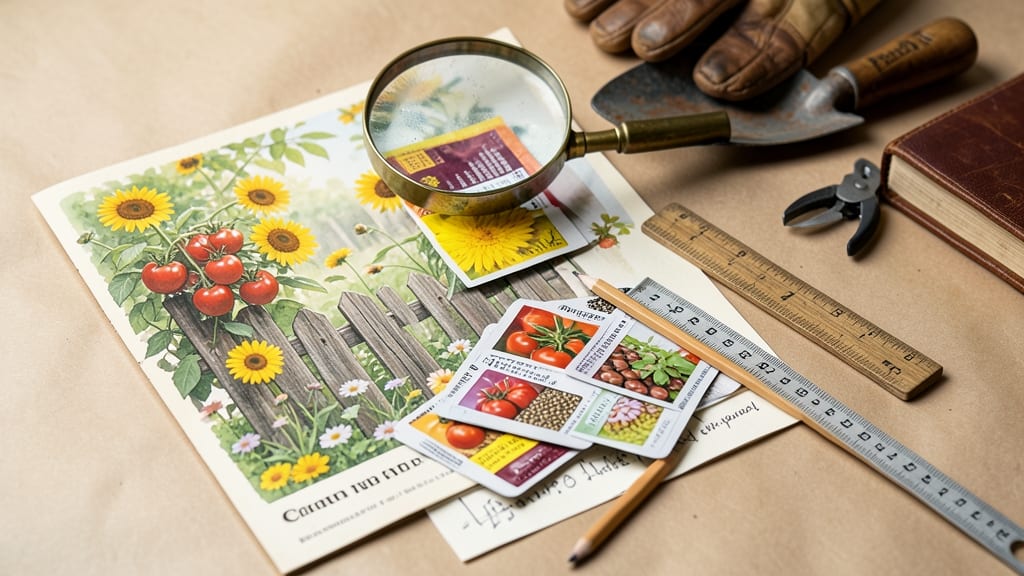
Ordering seed catalogs now means next year’s garden dreams start taking shape. ✨ The 2025 editions just arrived, packed with heirloom varieties you won’t find in stores and disease-resistant picks tailored to your region—plus, some even offer organic seed options.
I’ve been poring through mine, circling 10 heirlooms that perform reliably in my zone (7b) and noting which catalogs include free seed samples—because who doesn’t love a surprise packet?
The best ones also break down planting schedules by crop type, so you can plan your spring, summer, and fall rotations without second-guessing.
By the time your local nursery stocks seeds, you’ll already know exactly what’s going in the ground—and which unusual varieties (like ‘Black Krim’ tomatoes or ‘Purple Majesty’ beans) will make your neighbors green with envy. Some even include planting maps to maximize space.
Here’s how to pick the right catalogs: focus on those with detailed growing guides, regional suitability notes, and early-bird discounts—because the best deals disappear fast. Let’s get planning!
📚 In This Guide
- What you need
- Instructions
- Tips and common mistakes
- Wrapping up and next steps
What you need
- ● Seed Catalogs (2025 Editions) – At least 3-5 catalogs from trusted suppliers (e.g., Burpee, Baker Creek, Johnny’s Selected Seeds, or local organic farms). Opt for digital or printed versions.
- ● Notebook or Digital Planner – For tracking seed varieties, planting dates, and garden layouts. A ruled notebook or tablet app works well.
- ● Measuring Tape (10-25 ft) – To map out garden beds, rows, or container spacing.
- ○ Graph Paper or Garden Planning Software – Optional but helpful for visualizing layouts (e.g., Garden Planner by Gardenate or free tools like SketchUp).
- ● Permanent Markers or Chalk – For labeling seeds, beds, or rows.
- ● Seed Envelopes or Ziploc Bags – Small, labeled containers to organize seeds by variety and planting season.
- ● Gloves (Durable Gardening Gloves) – A pair for handling seeds and soil comfortably.
- ● Garden Space Assessment – Know your sunlight exposure (full sun, partial shade, etc.), soil type, and climate zone (check USDA Plant Hardiness Zone Map).
- ● Budget Planning – Seed catalogs often include price lists; allocate funds for seeds, soil amendments, and tools.
- ● Research Time – Dedicate 1-2 hours weekly to compare varieties, read reviews, and note growing tips.
- ○ Local Regulations (Optional) – Check for heirloom seed laws, GMO restrictions, or organic certification rules in your area.
- ● Color-Coding – Use different colored stickers or tags for seeds by maturity (early, mid, late season).
- ● Seed Viability Test – Save a few seeds from last year to test germination rates before ordering bulk quantities.
- ● Digital Backups – Scan or photograph your seed catalog pages for easy reference.
How to navigate seed catalogs for your 2025 garden
Here’s how to turn seed catalogs into a personalized, high-yield planting plan—without wasting time or money.
📖 Step 1: Identify Your Growing Zone and Climate Needs
First, locate your USDA hardiness zone (use the USDA Plant Hardiness Zone Map) and note your last frost date—both critical for matching seeds to your local conditions. Catalogs often list maturity dates, but those assume ideal conditions. For example, a 60-day tomato in Zone 5 won’t ripen if planted too late. Adjust expectations by subtracting 10-14 days for cooler climates.
Pay attention to heat tolerance for summer crops and cold hardiness for fall/winter plantings. Some catalogs now include drought-tolerance ratings—highlight these if water conservation is a priority. I always circle seeds labeled "heat-tolerant" or "shade-adapted" to avoid disappointment later.
🌱 Step 2: Match Seed Varieties to Your Garden Goals
Seed catalogs overflow with options, so narrow your focus first. Are you prioritizing high yield, disease resistance, heirloom varieties, or novelty plants? Catalogs often categorize seeds by these traits—look for labels like "disease-resistant," "compact," or "prolonged harvest." For example, if space is limited, bush beans or determinate tomatoes save room compared to their vining counterparts.
Check the "Days to Maturity" column and align it with your season length. A 45-day lettuce won’t last through summer heat, while a 70-day variety might bolt before you harvest. I like to cross-reference with my planting calendar—if I know I’ll be traveling in July, I avoid long-maturing crops like broccoli or cabbage unless I’m succession planting.
☀️ Step 3: Compare Seed Companies for Quality and Specialization
Not all seed companies are equal. Heirloom-focused catalogs (like Baker Creek or Seed Savers Exchange) offer unique, open-pollinated varieties, while hybrid specialists (like Park Seed or Burpee) prioritize disease resistance and uniformity. Some, like High Mowing Seeds, focus on organic and non-GMO seeds—critical if you’re certified organic or avoiding GMOs.
Read customer reviews for germination rates and true-to-type performance. A seed that sounds promising in the catalog might struggle in your climate. I avoid companies with low review scores or complaints about poor packaging—seeds that arrive damaged or old won’t grow well. Look for certified organic labels if that matters to you, as conventional seeds may carry chemical residues.
⏰ Step 4: Plan for Seed Ordering Deadlines and Storage
Seed catalogs often have early-bird discounts and limited quantities—note deadlines and order early to secure your top picks. Some companies, like Renee’s Garden, sell out of popular varieties by March, so if you love cherry tomatoes or peppers, place orders in January or February. Check shipping policies too: bulk seed orders may arrive in multiple shipments, while small packets often ship together.
Store seeds properly after ordering. Most seeds last 1-5 years if kept cool, dry, and dark—use airtight containers with silica gel packets to prevent moisture damage. I label each container with the variety name and purchase year to avoid confusion. If you’re saving seeds from previous years, test germination rates before planting—some, like onions or leeks, lose viability quickly.
📝 Step 5: Organize Your Selections for Planting
Once orders arrive, sort seeds by category (vegetables, herbs, flowers) and planting season (cool vs. warm). Group direct-sown seeds (like carrots or beans) separately from transplants (like peppers or tomatoes). I use small envelopes labeled with the variety, days to maturity, and planting date—this keeps my garden organized and prevents overcrowding.
Calculate how much seed you’ll need based on spacing recommendations in the catalog. A 10-foot row of cucumbers requires 3-4 plants, but a 6-inch spacing for lettuce means 18 plants per 10 feet. Overestimating seed leads to waste; underestimating means replanting. I always double-check my math and adjust for succession plantings if needed—like sowing radishes every 2 weeks for continuous harvests.
Tips & tricks for smart seed catalog navigation
These insider strategies will help you maximize your seed catalog selections for a thriving 2025 garden.
Climate-Specific Selection: Beyond just your USDA zone, consider microclimates in your garden. A south-facing wall might create a Zone 2 spot in an otherwise Zone 5 area—perfect for heat-loving varieties like peppers or eggplants. I've planted cherry tomatoes against my brick wall in Zone 6 and gotten harvests 2-3 weeks earlier than my main garden. Mark these spots on your garden map before ordering seeds.
Seed Company Trust Signals: Look for companies that provide germination guarantees or money-back policies—this shows confidence in their product. I've had excellent luck with Baker Creek Heirloom Seeds because they offer germination tests on their website for each variety. Also check if they participate in seed swap programs—this often indicates a community-focused, high-quality operation.
Organizing for Planting Success: Create a simple spreadsheet with columns for variety, days to maturity, planting date, and harvest window. This visual timeline helps prevent planting conflicts—like putting in broccoli and cabbage at the same time when they'll compete for space. I color-code by crop family to spot potential pest problems early (like planting too many brassicas).
Long-Term Storage Strategy: For seeds you'll save beyond their typical shelf life, try seed vaulting—store portions in multiple locations (freezer, refrigerator, and dark pantry) to hedge against temperature fluctuations. I keep a small portion of my tomato seeds in the freezer as a backup. Remember that onion and leek seeds lose viability fastest—plant these first if using saved seeds.
Pro Tips for Seed Catalogs 2025
- These insider strategies will help you maximize your seed catalog selections for a thriving 2025 garden.
- Climate-Specific Selection: Beyond just your USDA zone, consider microclimates in your garden.
- Seed Company Trust Signals: Look for companies that provide germination guarantees or money-back policies—this shows confidence in their product.
Frequently asked questions
Got questions about seed catalogs 2025? You’re not alone! Here are some of the most common concerns—and answers—to help you plan ahead for next year’s garden.
When should I start ordering seed catalogs for 2025?
Most seed companies release their 2025 catalogs in late summer or early fall (August–October). Early orders often get discounts, so aim to browse by November to secure rare varieties. Pro tip: Set calendar reminders for Black Friday sales—many retailers offer 10–20% off!
Are seed catalogs worth the cost, or can I find the same seeds cheaper elsewhere?
Catalogs often include exclusive varieties, heirloom seeds, and detailed growing guides you won’t find in big-box stores. While bulk bins (like Baker Creek or Seed Savers Exchange) may be cheaper per seed, catalogs let you pre-order rare or organic seeds before they sell out. Tip: Compare prices—some catalogs bundle seeds with tools or discounts for future purchases.
How do I know if a seed is right for my climate zone?
Check the catalog’s USDA Hardiness Zone map or look for labels like “Cool Season” or “Heat-Tolerant.” Most reputable catalogs list mature plant height, sunlight needs, and frost sensitivity. Troubleshooting: If unsure, use the Seed to Harvest Calculator on sites like Johnny’s Selected Seeds to estimate your local growing window.
What’s the best way to store seeds I order now for 2025 planting?
Seeds last 1–5 years if stored properly. Keep them in a cool (32–41°F), dry (below 50% humidity) place—like a refrigerator or airtight container with silica gel. Label each packet with the purchase year to track viability. Pro tip: Test germination by planting a few seeds—if <70% sprout, replace the batch!
Can I return or exchange seeds if I change my mind?
Most reputable catalogs (e.g., Burpee, Park Seed, High Mowing) offer returns within 30–90 days if unopened. Always check their return policy before ordering. Alternative: Buy from companies with “seed swaps” (like Seed Savers Exchange) if you’re unsure—you can trade seeds later!
What’s the difference between heirloom, hybrid, and organic seeds?
| Type | Key Traits | Best For |
|---|---|---|
| Heirloom | Open-pollinated, saved for generations, often unique flavors. | Seed saving, traditional gardens, chefs. |
| Hybrid | Crossbred for disease resistance, uniform size/color (but may not reproduce true). | High yields, commercial farms, beginner gardeners. |
| Organic | Certified non-GMO, grown without synthetic pesticides/fertilizers. | Sustainable gardens, health-conscious growers. |
Tip:
Heirlooms often appear in catalogs as “non-GMO” or “heritage” varieties—read descriptions carefully!
Wrapping up and next steps
As you flip through the seed catalogs 2025, remember: every seed you choose is a promise for next year’s thriving garden.
Whether you’re drawn to heirloom tomatoes, drought-resistant blooms, or cutting-edge varieties, these early picks set the stage for a season of growth, beauty, and maybe even a little harvest to share. 🌱
Now’s the time to dream big—sketch your garden layout, jot down notes, and let your imagination run wild. Your next step? Start a wishlist, mark your calendar for planting dates, and get ready to cultivate something extraordinary. Happy gardening! 🌟