
Lawn
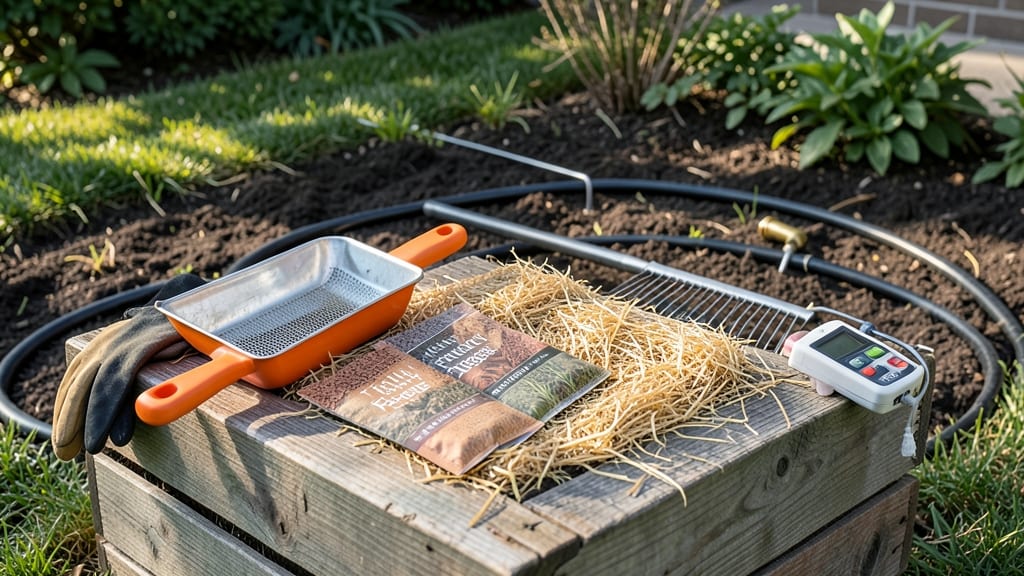
Seeding a new lawn in fall transforms bare soil into a thick, lush lawn—but timing and technique are everything. 🌱 The secret lies in cool-season grasses thriving when soil stays warm and air cools, creating perfect germination conditions.
I’ve seeded lawns in October for five years, and the results speak for themselves: fewer weeds, deeper roots, and greenery that outlasts spring plantings.
The process starts with testing your soil’s pH and loosening compacted areas—no need for fancy tools, just a rake and a little elbow grease. Choose the right seed mix for your climate (tall fescue for heat tolerance, fine fescue for shade), then scatter seeds evenly.
Watering is critical: keep the soil moist but never soggy for the first two weeks, then taper off as roots establish.
By late fall, you’ll see blades pushing through the soil, and with proper care, your lawn will outcompete weeds by spring. The payoff? A disease-resistant, drought-tolerant carpet that stays green when summer heat arrives. Even in dry climates, fall seeding beats spring planting hands down.
Regional adjustments matter—Northern gardeners should seed by mid-October, while Southern zones can push into November. The key is avoiding frost before germination. With the right prep, your lawn will be the envy of the neighborhood by next summer.
📚 In This Guide
- What you need
- Instructions
- Tips and common mistakes
- Wrapping up and next steps
What you need
- ● Seed: Cool-season grass seed (e.g., Tall Fescue, Kentucky Bluegrass, or Perennial Ryegrass) – 5–10 lbs per 500 sq ft (check seed bag for exact coverage rates).
- ● Soil Preparation: Lawn rake or dethatching rake (for removing debris and loosening soil).
- ● Garden hose or sprinkler system with even coverage.
- ○ Optional but helpful: Soil test kit (to check pH and nutrient levels) or compost (¼–½ inch layer for nutrients).
- ● Seeding Tools: Broadcast spreader (for even distribution) OR hand-held spreader (for smaller areas).
- ○ Lawn roller (optional but highly recommended for firming seed into soil—50–100 lb weight).
- ● Protection: Straw or peat moss (light layer, ¼ inch thick, to hold moisture and shield seeds—1 bale covers ~500 sq ft).
- ● Starter fertilizer (low-nitrogen, high-phosphorus blend like 10-20-10) to boost root growth.
- ● Soil conditioner (e.g., lime if your soil is acidic or gypsum for clay soil).
- ● Knee pads or gloves (because comfort matters!).
- ● String and stakes (to mark seeding patterns for large areas).
Step-by-Step instructions for seeding a new lawn in fall
Fall’s mild temperatures and steady rains create ideal conditions for establishing a thick, resilient lawn.
🪴 Step 1: Prepare the Soil with Precision
Start by removing all existing vegetation, debris, and rocks from the area using a shovel or sod cutter. I like to rent a sod cutter for large areas—it makes quick work of the job and leaves the soil surface perfectly smooth. Once cleared, loosen the top 4-6 inches of soil with a till or broadfork to improve aeration and root penetration.
Test the soil’s pH using a home kit—ideal levels for cool-season grasses like fescue and ryegrass fall between 6.0 and 7.0. If your soil is too acidic or alkaline, amend it with lime or sulfur according to the test results. Spread a ¼-inch layer of compost over the area and lightly rake it in to add organic matter and nutrients.
🌱 Step 2: Choose and Spread Grass Seed Strategically
Select a high-quality, cool-season grass seed blend suited to your climate and sun exposure. For full sun, I recommend a mix of Kentucky bluegrass, fine fescue, and perennial ryegrass—it establishes quickly and handles foot traffic well. Spread the seed evenly using a broadcast spreader or by hand, working in two perpendicular directions to ensure full coverage.
Lightly rake the seed into the soil with a stiff-bristled rake, pressing it just enough to make contact with the earth without burying it. Aim for a seed-to-soil ratio of ½ inch deep or less—any deeper, and the seed may struggle to emerge. If you’re seeding a large area, divide it into sections and focus on one at a time to avoid missing spots.
💧 Step 3: Water Gently but Consistently
Keep the soil surface moist but never soggy during germination, which typically takes 7-21 days depending on the grass type and weather. Water lightly twice daily—once in the early morning and once in the late afternoon—for the first 2 weeks. Use a sprinkler with a fine mist setting or a gentle hose attachment to avoid displacing the seed.
You’ll know you’re watering correctly when the top ½ inch of soil remains damp but not waterlogged. Overwatering can wash away seed or cause it to rot before sprouting. After the grass reaches 2-3 inches tall, gradually reduce watering to 1-1.5 inches per week, including rainfall, to encourage deep root growth.
☀️ Step 4: Protect and Maintain for Long-Term Success
Once the grass reaches 3-4 inches tall, mow it at a height of 3-4 inches to promote root development and prevent weak, spindly growth. Avoid mowing during wet conditions—wait until the grass is dry to minimize soil compaction and disease risk. Use a sharp mower blade to make clean cuts and reduce stress on the grass.
Apply a starter fertilizer with a 10-20-10 or 12-12-12 NPK ratio to provide essential nutrients without overloading the young roots. Follow the package instructions for application rates, and water thoroughly after fertilizing. Avoid heavy foot traffic for at least 4-6 weeks to allow the roots to establish firmly in the soil.
Tips & tricks for perfect fall lawn seeding
Fall is your best shot at a lush lawn—here's how to maximize your success with these pro strategies.
Soil Prep Secret: In Step 1, don't just loosen the top 4-6 inches—break up any compacted layers you find deeper down. I've seen lawns fail because roots couldn't penetrate past a hardpan. Use a broadfork to gently aerate while you're loosening, and consider adding a thin layer of coarse sand if your soil feels particularly dense. This creates ideal pathways for those cool-season roots to establish deep.
Seed Placement Technique: When spreading seed in Step 2, overlap your passes by about 6 inches to avoid streaks. I learned this the hard way—my first attempt had bare spots where I missed overlaps. For extra coverage in high-traffic areas, sprinkle an additional 10-15% more seed. The ½-inch depth guideline is critical: press the seed just enough so it stays in contact with soil but doesn't get buried—think "light dusting" rather than "pressing firmly."
Watering Wisdom: The twice-daily watering in Step 3 is non-negotiable for those first 2 weeks, but timing matters just as much as frequency. Water in the morning so any moisture on leaves evaporates by evening (reducing disease risk), and avoid late afternoon watering which can promote fungal growth. Use a rain gauge to track your 1-1.5 inches weekly after germination—most sprinklers overestimate by 20-30%.
Fertilizer Timing: In Step 4, apply that starter fertilizer exactly when the grass hits 3-4 inches—no sooner. Young roots need time to establish before handling extra nutrients. I recommend splitting the recommended dose in half and applying it twice (now and again in 6 weeks) rather than all at once. This prevents nutrient burn while still giving your lawn the boost it needs.
Pro Tips for Seed New Lawn In Fall
- Fall is your best shot at a lush lawn—here's how to maximize your success with these pro strategies.
- Soil Prep Secret: In Step 1, don't just loosen the top 4-6 inches—break up any compacted layers you find deeper down.
- Seed Placement Technique: When spreading seed in Step 2, overlap your passes by about 6 inches to avoid streaks.
Frequently asked questions
Got questions about seeding your lawn in the fall?
You’re not alone! Here are some of the most common concerns—and their answers—to help you get started with confidence.
Why is fall the best time to seed a new lawn?
Fall offers perfect conditions for grass seeds: cooler air, warm soil, and fewer weeds. These factors help seeds germinate faster and establish deeper roots before winter. Plus, you’ll avoid the heat stress and drought of summer planting. Learn more about ideal timing.
How long does it take for new grass to grow after seeding in fall?
Most cool-season grasses (like fescue or ryegrass) sprout in 7–21 days, depending on weather and seed type. Full maturity—when you can mow and walk on it—takes 6–12 weeks. Patience pays off for a thicker, healthier lawn! Check out care tips for young grass.
How often should I water my new lawn after seeding?
Keep the soil consistently moist (not soggy) for the first 2–3 weeks. Water lightly 2–3 times daily (about 10–15 minutes per session) to encourage germination. Once sprouts appear, reduce to 1 inch per week, including rainfall. See a watering schedule guide.
What if bugs or weeds start growing in my new lawn?
Don’t panic! A few weeds or insects are normal early on. For weeds, hand-pull them when small or use a pre-emergent herbicide after seeding (follow label instructions). For pests like grubs, apply a grub control in early fall. Healthy grass crowds out weeds naturally over time! Troubleshoot common lawn pests.
Can I seed a lawn in fall if I’m on a budget?
Start with overseeding (sprinkling seed over existing thin grass) instead of a full tear-out. Use slower-release fertilizer to cut costs, and skip expensive sod. DIY prep (renting a core aerator) saves money too. Find affordable seeding tips.
What if winter hits before my grass is established?
Don’t worry—cool-season grasses are winter-hardy! If seeded by late September/October, roots should anchor before frost. Mulch seed lightly with straw to insulate it. Avoid walking on new grass until spring thaw. Prepare for winter lawn care.
Wrapping up and next steps
Fall is the perfect time to seed a new lawn—cooler temperatures and fewer weeds give your grass the ideal start for a thick, vibrant lawn next spring.
By following these steps—preparing the soil, choosing the right seed, and maintaining consistency—you’ll set your yard up for success. Don’t wait—soil prep and seeding now means lush results by summer!
Ready to transform your yard? Grab your supplies, roll up your sleeves, and get started today. Your future lawn will thank you! 🌱✨