
Planting
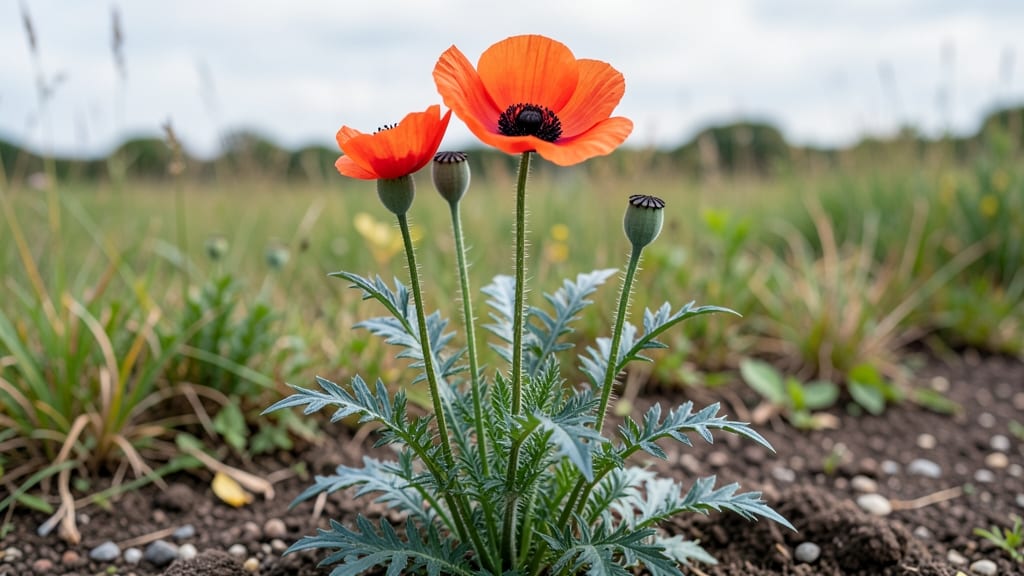
Bringing the seed of a flowering plant native to the East Mediterranean to your garden means capturing the essence of sun-drenched hillsides in your own backyard. 🌿 These hardy plants—lavender, irises, oregano, and poppies—thrive in well-drained soil and full sun, just like their native habitats.
The key isn’t just planting; it’s mimicking their Mediterranean roots with the right conditions and timing.
Start by sourcing seeds from reputable suppliers like Kew’s Millennium Seed Bank or specialty nurseries to ensure authenticity and sustainability. These seeds need loose, rocky soil and minimal water—think drought-tolerant, not soggy.
Plant in late summer or early autumn for the best results, giving them time to establish roots before winter.
Once planted, these flowers reward you with fragrant blooms and lush foliage that attract pollinators all season. Prune lightly after flowering to encourage new growth, and avoid heavy fertilizers—they prefer lean soil. In colder climates, mulch lightly to protect roots, but avoid smothering them.
This method isn’t just about growing plants; it’s about preserving biodiversity and creating a zero-waste garden that thrives year after year. Whether you’re a beginner or a seasoned gardener, these Mediterranean natives bring beauty and resilience to any space.
📚 In This Guide
- What you need
- Instructions
- Tips and common mistakes
- Wrapping up and next steps
What you need
- ● Seeds: 10–20 viable seeds of your chosen East Mediterranean flowering plant (e.g., Papaver rhoeas (Corn Poppy), Anemone coronaria (Windflower), or Lavandula angustifolia (Lavender)). Ensure they’re fresh or properly stored.
- ● Potting soil: 2–3 gallons of well-draining, organic potting mix (look for labels like "seed-starting mix" or "cactus/succulent blend" if your plant prefers sandy soil).
- ● Containers: 4–6 small pots (4–6 inches in diameter) with drainage holes, or
- ● A seed tray with individual cells (for organized germination).
- ● Watering can or spray bottle: A fine-mist sprayer works best for delicate seeds.
- ○ Clear plastic wrap or humidity dome: Optional but helpful for maintaining moisture during germination.
- ● Seedling heat mat: Speeds up germination for slower-growing species (set to 70–75°F).
- ● Grow lights or sunny windowsill: A south-facing window or LED grow light (12–16 hours/day) ensures strong, healthy seedlings.
- ● Compost or worm castings: 1–2 tablespoons per pot to boost soil fertility.
- ● Label markers & sticks: To track seed varieties and planting dates.
- ● Pruning shears or scissors: For trimming spent flowers or harvesting seeds later.
How to harvest and save seeds from Mediterranean native flowers
This method ensures you preserve genetic diversity while creating zero-waste harvests from your prized Mediterranean blooms.
🌱 Step 1: Identify and Select Mature Seed Pods
Wait until seed pods turn a distinct brown or dry out completely—this signals full maturity. For many Mediterranean natives, pods will often split open naturally when ready, so check daily during peak ripening. I always look for pods that feel papery or brittle to the touch rather than firm.
Select only the healthiest pods from the strongest plants, avoiding any that show signs of disease or pest damage. Mediterranean flowers often produce seeds in clusters, so harvest entire stems if multiple pods are ready simultaneously. This ensures you capture the full genetic potential of that particular plant.
🌿 Step 2: Harvest and Dry the Seed Pods
Use clean, sharp scissors to cut seed pods from the stem, leaving a small portion attached if possible. Place them immediately in a paper bag—this prevents moisture buildup and allows any remaining seeds to finish drying naturally. I like to label each bag with the plant name and harvest date to track viability.
Find a warm, dry location with good air circulation—like a sunny windowsill or well-ventilated room—to dry the pods for 7-14 days. You'll know they're ready when they rattle with seeds inside and feel completely dry to the touch. Avoid direct sunlight, which can overheat and damage the seeds.
✂️ Step 3: Extract and Clean the Seeds
Once fully dry, gently crush each pod between your fingers over a clean sheet of paper or screen. Mediterranean native seeds often have fine, dust-like coatings that need careful handling. I find using two sheets of paper—one to catch debris and one to collect seeds—works best for separation.
Remove any remaining plant debris by winnowing—simply hold the seeds in your hand and let them fall from a height onto a flat surface. The wind will carry away chaff while heavier seeds settle below. For particularly small seeds, I use a fine mesh strainer under running water to separate them from lighter debris without damaging their viability.
🪴 Step 4: Store Seeds for Maximum Viability
Place cleaned seeds in a small, airtight container—glass jars or vacuum-sealed bags work perfectly. Add a desiccant packet to absorb any residual moisture, which is critical for Mediterranean seeds that often struggle with humidity. Label each container with the plant name, harvest date, and any special storage notes.
Store seeds in a cool, dark location—like a refrigerator or root cellar—where temperatures stay between 35-45°F. Mediterranean native seeds often maintain viability for 2-5 years under these conditions. Check periodically for signs of mold or pests, which can compromise seed quality.
⏰ Step 5: Test Seed Viability Before Planting
Before using saved seeds, conduct a simple viability test by placing 10 seeds between damp paper towels in a sealed container. Keep them in a warm location (70-75°F) and check daily for germination. You'll typically see sprouts within 7-14 days—if 50% or more germinate, your seeds are viable and ready for planting.
If germination rates are low, consider stratifying seeds by refrigerating them for 4-6 weeks before testing again. Many Mediterranean natives benefit from this cold treatment to break dormancy. I've found that seeds from plants grown in coastal climates often germinate more reliably after stratification.
Tips & tricks for perfect Mediterranean native seed harvesting
Preserving these delicate seeds requires patience and precision—here's how to avoid common pitfalls and maximize your yield.
Selection Strategy: In Step 1, focus on pods that have fully browned and feel dry to the touch, but avoid those that have already split open completely. The best pods will rattle when shaken gently—this indicates fully developed seeds inside. I've found that harvesting in the morning after dew has evaporated helps maintain seed integrity during collection.
Drying Environment: For Step 2's 7-14 day drying period, position your paper bags in a location with consistent airflow—like near an open window with a fan circulating air. The ideal drying temperature should stay between 65-75°F to prevent overheating while ensuring complete moisture removal. I've ruined batches by placing them too close to radiators or in direct sunlight, which can scorch the delicate pods.
Cleaning Technique: When winnowing seeds in Step 3, work in small batches to avoid losing fine seeds in the breeze. For particularly small seeds like those from lavender or thyme, I recommend using a fine mesh strainer under running water—this helps separate debris without damaging the seeds. Always work over a clean surface to prevent cross-contamination between different seed varieties.
Storage Wisdom: For Step 4's long-term storage, I've found that small glass jars with tight-sealing lids work better than plastic bags for Mediterranean seeds. The glass doesn't absorb moisture like some plastics can, and the desiccant packets should be placed directly inside the jar—not just in the lid. Labeling each jar with both the plant name and harvest date helps track viability over the 2-5 year storage period.
Pro Tips for Seed Of A Flowering Plant Native To The East Mediterranean
- Preserving these delicate seeds requires patience and precision—here's how to avoid common pitfalls and maximize your yield.
- Selection Strategy: In Step 1, focus on pods that have fully browned and feel dry to the touch, but avoid those that have already split open completely.
- Drying Environment: For Step 2's 7-14 day drying period, position your paper bags in a location with consistent airflow—like near an open window with a fan circulating air.
Frequently asked questions
Got questions about harvesting and using seeds from flowering plants native to the East Mediterranean? You're not alone! Here are some of the most common queries—and their answers—to help you get the most out of your zero-waste journey.
How do I know when the seeds are fully ripe and ready to harvest?
Timing is everything! For most East Mediterranean flowering plants like Papaver rhoeas (corn poppy) or Calendula officinalis (pot marigold), seeds are ripe when the pods turn dry, brown, or papery and start splitting open on their own. Gently tap them—if seeds rattle inside, they’re ready. Harvest on a dry day to prevent mold.
Can I harvest seeds from store-bought flowers, or do I need to grow them myself?
Store-bought flowers are often treated with chemicals to prevent seeding, so they’re usually a no-go. For reliable seeds, grow your plants from scratch or source them from organic nurseries specializing in heirloom or native varieties. If you’re lucky, you might find wild seeds in undisturbed Mediterranean regions—but always check local regulations first!
What’s the best way to store harvested seeds for long-term use?
Store seeds in a cool, dark, and dry place (like a sealed jar or envelope with silica gel packets) to prevent moisture and pests. Label them with the plant name and harvest date! Most Mediterranean flower seeds stay viable for 1–3 years, though some, like Nepeta cataria (catmint), can last even longer if stored properly.
My seeds aren’t germinating—what could be wrong?
Troubleshooting time! Check these common culprits:
- Freshness: Old seeds lose viability. Test with a paper towel germination test to confirm.
- Moisture: Overwatering can rot seeds. Use a light mist and well-draining soil.
- Temperature: Many Mediterranean seeds need warmth (70–80°F) to sprout. Use a heat mat if needed.
- Depth: Plant seeds shallowly (¼ inch max)—deep planting can suffocate them.
Are there any easy alternatives to harvesting seeds if I don’t want to grow plants?
If growing isn’t your thing, try these zero-waste swaps:
- Buy organic, untreated seeds from reputable suppliers (look for "non-GMO" labels).
- Join seed-sharing communities or local gardening groups for swaps.
- Use dried flower heads (like lavender or rosemary) for potpourri, teas, or crafts instead of seeds.
Wrapping up and next steps
From zero-waste harvesting to nurturing a thriving plant, you’ve unlocked the potential of this East Mediterranean native seed—a treasure trove of sustainability and beauty! 🌱 By embracing mindful techniques like seed saving, composting, and upcycling, you’re not just growing a plant; you’re fostering a greener future.
Ready to take the next step? Start small—plant a few seeds in your garden, balcony, or even a repurposed container. Share your journey with fellow gardening enthusiasts or explore local seed swaps to keep the cycle alive. Every seed planted is a step toward a waste-free world!