
Lawn
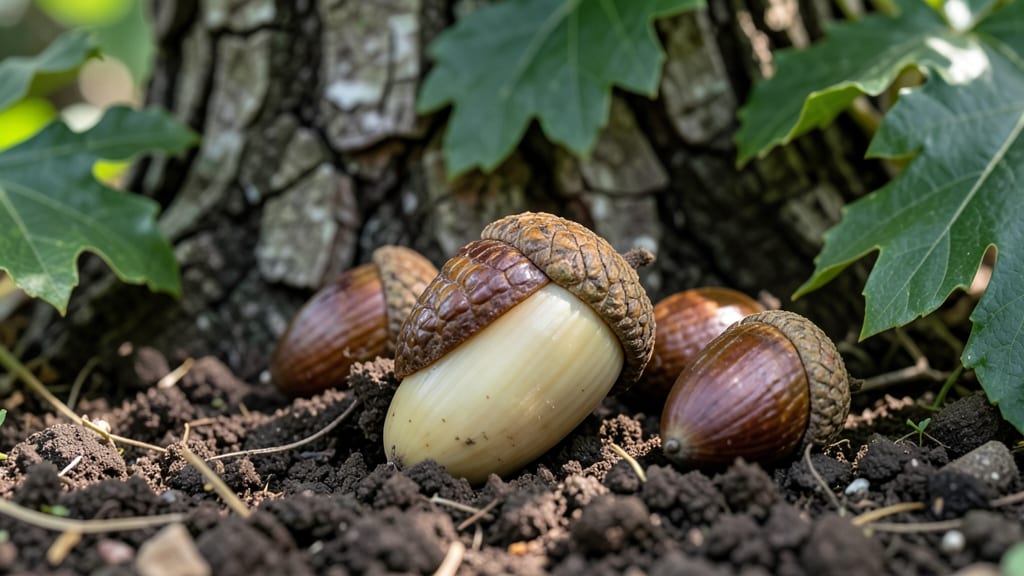
Growing an oak from seed is a patient journey that rewards you with a future shade giant. 🌳 The key to success lies in mimicking nature's timing—your acorn needs a winter chill period (stratification) before it'll even think about sprouting.
I've learned the hard way that skipping this step means months of waiting for nothing, but when done right, you'll see that first pale shoot emerge within 4-6 weeks of planting.
Start with fresh acorns from a healthy, local oak tree—preferably from your own yard or a trusted source. The trick is collecting them in fall when they're fully mature but still firm, then storing them in a damp mix of peat moss and sand until spring.
This moisture trick keeps them from drying out while they undergo their natural cold treatment, which breaks down the seed's dormancy. Think of it as giving your acorn a mini-winter in a controlled environment.
Once planted, your little oak will need consistent moisture—never soggy, but never bone-dry either. The first year is all about protecting that tender seedling from drought and weeds while it establishes roots.
By year two, you'll notice real growth, though true oak strength comes in years three and four when the tree starts putting on serious height and leaf mass. Patience here is everything.
This method works best in USDA Zones 4-9, where oak trees thrive naturally. For cooler climates, plant in early spring; in warmer zones, fall planting gives seedlings a head start. The biggest challenge?
Giving your young tree enough space—oaks need room to spread their roots deep and wide. But trust me, watching that first acorn turn into a towering oak is worth every season of waiting.
📚 In This Guide
- What you need
- Instructions
- Tips and common mistakes
- Wrapping up and next steps
What you need
- ● Acorns (oak seeds): Fresh, mature acorns (preferably from Quercus species like white oak, red oak, or bur oak). Aim for 5–10 seeds to improve success rates.
- ● Stratification supplies: Moist peat moss or coconut coir (1–2 cups per seed for cold stratification).
- ● A ziplock bag or airtight container.
- ● Refrigerator space (or a cool, dark spot like a basement at 35–40°F).
- ● Potting mix: Well-draining, sterilized seed-starting mix (avoid garden soil—it can harbor diseases).
- ● Small pots or trays: 2–3 inch diameter containers (biodegradable pots work great!).
- ● Grow lights or sunny windowsill: A south-facing window or LED grow lights (12–16 hours/day).
- ● Pruning shears or sharp knife (to remove acorn caps).
- ● Spray bottle (for gentle watering).
- ○ Humidity dome or plastic wrap (optional, to retain moisture).
- ● Thermometer (to monitor stratification temps).
- ● Garden gloves (to protect hands from tannins in acorns).
- ● Patience! Oak seeds can take 3–6 months to germinate—plan ahead. 💡
- ● Hardiness zone check: Verify your zone (typically 4–9) before planting outdoors. ✨
- ● Outdoor space: A sunny, sheltered spot with well-draining soil for transplanting.
- ○ Optional: A pH test kit (oaks prefer slightly acidic soil, pH 5.0–7.0).
Step-by-step guide to growing oak trees from seed
Here's how to nurture acorns into strong saplings with the right patience and moisture.
🌱 Step 1: Collect and Prepare Acorns for Planting
Gather mature acorns from the forest floor in late fall—look for plump, heavy ones with intact caps. I always check for signs of pests or disease before using them. Store them in a moist paper towel inside a sealed container in the refrigerator for 90-120 days to simulate winter stratification. This cold treatment breaks dormancy and encourages germination.
After stratification, plant the acorns 1 inch deep in a well-draining potting mix. I use a blend of 50% peat moss and 50% perlite to prevent rot while keeping moisture consistent. Water gently until the soil feels evenly damp but not soggy. Place the container in a shady spot until sprouts appear, which can take 4-12 weeks depending on the oak species.
☀️ Step 2: Provide Optimal Light and Temperature
Once seedlings emerge, move them to a location with bright, indirect light—direct sun can scorch tender young leaves. I keep mine under a 50% shade cloth for the first few months. Oak seedlings thrive in 60-75°F temperatures, so avoid placing them near drafts or heat sources. You'll notice slow but steady growth as the first true leaves develop—these will be larger and more complex than the initial seed leaves.
During the first growing season, maintain consistent moisture in the soil. Let the top ½ inch dry out between waterings, but never allow the soil to become bone-dry. Overwatering is just as harmful as underwatering—oak seedlings are prone to root rot if their feet stay wet. A moisture meter helps track soil conditions accurately.
🌿 Step 3: Transplant Seedlings to the Ground
After 12-18 months, when seedlings reach 12-18 inches tall, they're ready for outdoor planting. Choose a site with full sun exposure and well-draining soil. Oak trees prefer slightly acidic to neutral soil with a pH between 5.0 and 7.0. Dig a hole twice as wide as the root ball but no deeper—planting too deep can suffocate the roots.
Gently remove the seedling from its container and loosen any tangled roots before placing it in the hole. Backfill with native soil and water deeply to settle everything. Mulch around the base with 2-3 inches of organic mulch, keeping it 3 inches away from the trunk to prevent rot. This helps retain moisture and regulate soil temperature, which is critical for young oaks.
💧 Step 4: Maintain Moisture and Monitor Growth
For the first 2-3 years, keep the soil consistently moist but not waterlogged. Deep watering once a week is usually sufficient, but adjust based on rainfall and temperature. You'll see new leaves emerge in spring—a sign the tree is establishing its root system. Prune only to remove dead or damaged branches; avoid heavy pruning, as it stresses young oaks.
Oak trees grow slowly, so patience is key. In their first decade, they may only gain 1-2 feet per year, but this steady growth builds a strong, resilient tree. Watch for signs of stress like yellowing leaves or stunted growth—these often indicate overwatering, poor drainage, or insufficient light. Adjust care accordingly to keep your young oak thriving.
Tips & tricks for growing oak trees from acorns
Between us, oak trees don't grow overnight—literally. These tricks will help you navigate the patience game while maximizing your success rate.
Acorn Selection Matters: Not all acorns are created equal. Focus on ones that are plump, heavy for their size, and have intact caps—these are your best bets for germination. I learned this the hard way after planting dozens of cracked or shriveled acorns that never sprouted. Also, if you find acorns with small holes, they've likely been eaten by pests and won't grow. A quick visual inspection saves months of waiting.
Stratification Success: The 90-120 day cold treatment is non-negotiable for breaking dormancy. I've tried skipping this step, and while a few acorns might sprout, most won't. Place the moist paper towel with acorns in a sealed container in your fridge's crisper drawer—it's consistently cold and humid. After 90 days, check for sprouts before planting; some species like white oak may need the full 120 days.
Light Management: Those first few months with bright indirect light are critical. I use a 50% shade cloth because direct sun can scorch the delicate seedlings. Watch for leaves that look sunburned—yellow patches or crispy edges mean you've got too much sun. If you don't have shade cloth, a sheer curtain works in a pinch, just place it 12-18 inches above the seedlings to diffuse the light.
Transplant Timing: Waiting until seedlings are 12-18 inches tall ensures they've developed strong enough root systems to handle outdoor conditions. I've seen impatient gardeners transplant too early, and the seedlings often struggle or die. Look for a sturdy stem and multiple sets of true leaves before moving them outside. This patience pays off—your oak will establish itself much faster.
Pro Tips for Seed Of An Oak
- Between us, oak trees don't grow overnight—literally.
- Acorn Selection Matters: Not all acorns are created equal.
- Stratification Success: The 90-120 day cold treatment is non-negotiable for breaking dormancy.
Frequently asked questions
Got questions about growing an oak tree from seed? You're not alone!
Here are answers to the most common queries to help you nurture your future giant with confidence.
How long does it take for an oak seed to germinate?
Oak seeds are notoriously slow—expect germination in 6 to 12 months (or even longer for some species). Cold stratification (mimicking winter) is key: plant seeds in fall or soak them in water for 3–6 months before sowing. Patience is part of the process!
Can I grow an oak tree from seed in any hardiness zone?
Oaks thrive best in zones 4–9, but your success depends on the species. Red oaks (e.g., Northern Red Oak) handle colder zones (3–8), while live oaks (zone 7–10) prefer warmth. Always check your oak’s native range—climate mismatches slow growth or kill seedlings.
How much water does an oak seedling need?
Keep soil consistently moist but not soggy—think "damp sponge," not swamp. Water deeply 2–3 times per week (adjust for rain). Overwatering suffocates roots, while drought stresses young plants. Mulch (2–3 inches) helps retain moisture and regulate temperature.
Why did my oak seed sprout but now looks weak or yellow?
Weak seedlings often suffer from fungus (damping-off), pests (slugs/grubs), or poor drainage. Fix it by:
- Improve airflow: Space seedlings 6+ inches apart.
- Remove mulch if too thick (max 2 inches for seedlings).
- Check for pests: Handpick slugs or use diatomaceous earth.
Is it better to buy a sapling or grow from seed?
Saplings (3–5 years old) grow faster and resist pests better, but seeds offer genetic diversity and the thrill of nurturing from scratch! If you’re impatient, opt for a nursery-grown oak—but if you love the journey, seeds are rewarding (just plan for 5–10 years to maturity).
Can I grow an oak indoors first?
Yes! Start seeds indoors in spring (6–8 weeks before last frost) using a sunny windowsill or grow light. Use well-draining pots (6+ inches deep) and transplant outdoors after hardening off (acclimate to outdoor temps over 2 weeks). Avoid keeping seedlings indoors past 6 months—they’ll outgrow their space!
Wrapping up and next steps
The journey of growing an oak tree from a tiny seed of an oak is a testament to patience and care—but the rewards are unmatched. 🌱 Whether you’re nurturing it in Zone 5 or Zone 9, remember: consistent moisture, well-draining soil, and a little sunshine are your best allies.
Every acorn you plant today could one day shade your grandchildren’s backyard!
Ready to take the next step? Start small—germinate a few acorns this season and watch your green thumb grow! Share your progress with fellow gardeners or tag us in your oak-growing adventures. The forest of tomorrow begins with your seedling.