
Lawn
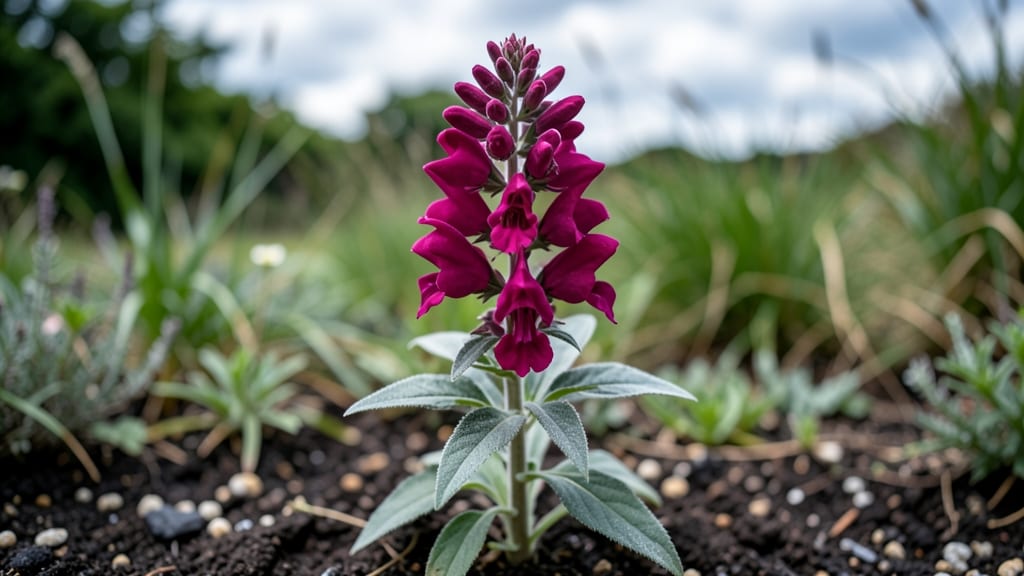
Harvesting snapdragon seed pods turns summer cleanup into a rewarding zero-waste ritual. 🌱 These unique, elongated pods hold the promise of next year's garden—if you know when and how to collect them properly.
I've saved seeds from my own plants for years, and the process gets easier every time you do it.
The key is timing: wait until the pods turn a deep brown and begin splitting open naturally. This usually happens in late summer or early fall, depending on your climate.
A gentle twist will release the seeds inside, and you'll find tiny, dark brown seeds that look like tiny grains of rice.
Once collected, spread the pods on a tray in a dry, shaded spot for a week to fully dry. Store the seeds in a paper envelope labeled with the variety and harvest date.
You'll have fresh, organic seed stock ready for spring planting, and you'll cut down on waste while saving money.
This method works for both heirloom and hybrid snapdragons, though hybrids may not come true from seed. Share your saved seeds with gardening friends or use them to expand your own garden—every pod is a gift for next season.
📚 In This Guide
- What you need
- Instructions
- Tips and common mistakes
- Wrapping up and next steps
What you need
- ● Snap dragon plants (mature, with fully dried seed pods—typically Antirrhinum majus varieties).
- ● Pruning shears or sharp scissors (sterilized to prevent disease spread).
- ● Paper bags or brown lunch bags (1-2 per plant, for easy collection and drying).
- ● Newspaper or cardboard (for a drying surface, ~12" x 18" sheets).
- ● Rubbing alcohol (70% isopropyl) and cotton swabs (for sanitizing tools).
- ● Small paintbrush or soft-bristle brush (for gently dislodging seeds from pods).
- ● Air-tight glass jars or seed envelopes (for long-term storage, 4-6 oz jars or 3.5" x 5" envelopes).
- ● Permanent marker (to label seeds with variety names and harvest dates).
- ● Glove (a lightweight gardening glove to protect hands from prickly pods).
- ● Fine mesh sieve or colander (for separating seeds from chaff post-harvest).
- ● Humidity pack (silica gel) (to absorb moisture in storage jars and extend seed viability).
- ● Digital scale (for precise seed measurements if saving for trading or selling).
- ● Compost bin (for repurposing pod debris into nutrient-rich compost).
How to harvest snapdragon seed pods without waste
Skip the messy cleanup—here's how to collect seeds cleanly and reuse every part of the plant.
🌿 Step 1: Identify Mature Seed Pods
Look for pods that have turned from green to a papery brown—this is your signal they're ready. Snapdragons produce seeds in long, slender pods that dry from the bottom up. Gently squeeze a mature pod between your fingers; if it crumbles slightly, it's time to harvest.
I always start harvesting in late summer when the first pods dry out. The pods will open naturally if left too long, scattering seeds everywhere. Harvesting at this stage ensures you capture every seed and prevents waste. Use clean, dry hands or wear gloves to avoid contaminating the seeds with oils from your skin.
✂️ Step 2: Cut Pods Cleanly and Store Dried
Use sharp scissors or pruning shears to snip pods at the base, leaving about 1 inch of stem attached. This prevents damage to the plant and makes handling easier. Place the cut pods in a single layer on a clean, dry surface like a baking sheet or newspaper.
Let the pods dry completely indoors for 3-5 days in a warm, dry spot. You'll know they're fully dry when they rattle when shaken. This step is crucial—moisture in the pods can cause mold. I like to set them near a sunny window but out of direct sunlight to avoid overheating.
🌱 Step 3: Extract Seeds and Clean Gently
Once dry, gently crush the pods between your fingers or use a small hammer to break them open. The seeds will spill out easily, but avoid pulverizing the pods completely—this can damage the seeds. Place the seeds in a clean bowl and separate them from any debris.
For extra clean seeds, spread them on a fine mesh screen and tap gently to sift out chaff. Store the seeds in a labeled envelope or small jar in a cool, dark place. Labeling is key—I write the variety and harvest date on the envelope to keep track of my collection.
🪴 Step 4: Reuse Plant Remains Sustainably
After extracting seeds, compost the empty pods and stems. They break down quickly and add valuable nutrients to your soil. If you're feeling creative, you can also dry and preserve the pods as decorative elements for winter arrangements—they add a rustic, textured look.
Here's the thing—snapdragons are biennials, meaning they often reseed themselves if left in place. If you want to encourage more growth next year, scatter a few seeds back into the garden after harvesting. Just be mindful of spacing; snapdragons need about 12 inches between plants to thrive.
⏰ Step 5: Time Your Harvest for Next Year's Growth
Harvesting seed pods in late summer ensures you have fresh seeds ready for spring planting. Store them in a dry place, and they'll remain viable for up to 2-3 years. I always set a reminder to plant them in early spring when the soil is workable and the threat of frost has passed.
Watch for new seedlings emerging in the spring—they'll pop up where you scattered seeds the previous fall. This zero-waste technique means you'll always have snapdragons ready to brighten up your garden with minimal effort.
Tips & tricks for perfect snapdragon seed pod harvesting
Here's what I've learned over years of harvesting snapdragon seeds without a single wasted pod.
Timing is Everything: In Step 1, when you're checking for mature pods, look for that papery brown texture that starts at the bottom and works its way up. I've learned to harvest when about 60% of the pods have reached this stage—this gives you a good balance between mature pods and those still developing. Harvesting too early means immature seeds, while waiting too long risks the pods opening naturally and scattering seeds everywhere.
Drying Strategy: For Step 2's drying process, I've found that a small fan on low speed placed near your drying pods helps speed up the process without risking overheating. The 3-5 day drying window can feel long, but remember—rushing this step risks mold. If you're in a humid climate, consider using a dehumidifier in the room where you're drying pods to create ideal conditions. The pods should feel completely dry and make a rattling sound when shaken.
Seed Extraction Hack: In Step 3, when it's time to extract seeds, I like to use a clean coffee filter instead of a fine mesh screen for sifting. The coffee filter's texture helps catch smaller seeds while letting chaff fall through. Another trick: place the seeds in a small paper bag and gently shake it over your bowl—this helps separate seeds from any remaining debris more efficiently than hand-picking.
Zero-Waste Bonus: After extracting all seeds in Step 4, don't toss those empty pods! Bundle them with twine and hang them in your kitchen as rustic decor. They make beautiful dried arrangements that smell faintly of snapdragons. I've also used them as natural fillers in pressed flower projects—they add wonderful texture and a subtle fragrance.
Pro Tips for Snap Dragon Seed Pod
- Here's what I've learned over years of harvesting snapdragon seeds without a single wasted pod.
- Timing is Everything: In Step 1, when you're checking for mature pods, look for that papery brown texture that starts at the bottom and works its way up.
- Drying Strategy: For Step 2's drying process, I've found that a small fan on low speed placed near your drying pods helps speed up the process without risking overheating.
Frequently asked questions
Got questions about harvesting snap dragon seed pods? You’re not alone! Here are some of the most common queries—and their stress-free solutions.
Why do my snap dragon seed pods stay closed?
Snap dragons only open when they’re fully mature and dry. If pods remain closed, they may need more time—usually 4-6 weeks after flowering. Check for brown, crispy tips or a hollow sound when tapped. Patience pays off!
How do I know when snap dragon seed pods are ready to harvest?
Look for three key signs:
- Color shift: Pods turn from green to tan or brown.
- Texture: They feel dry and papery (not rubbery).
- Sound: A hollow rattle when shaken means seeds are ready!
Can I save snap dragon seeds from store-bought flowers?
Yes! Even hybrid snap dragons can produce seeds—though they may not be true to the parent plant. Let the pods dry on the stem, then harvest as usual. Store-bought flowers are a great zero-waste way to grow new plants next season!
What do I do if my seed pods get eaten by pests?
Pests like slugs or birds love snap dragon pods. Prevent damage with:
- Row covers or netting over plants.
- Handpicking pests early in the morning.
- Neem oil spray (safe for edible gardens).
How should I store snap dragon seeds for next year?
Store seeds in a cool, dry place (like a paper envelope in the fridge) for 1-2 years. For longer storage, use a sealed container with a silica gel packet to absorb moisture. Label with the variety and date!
Wrapping up and next steps
Harvesting snapdragon seed pods doesn’t have to be a messy or wasteful task—with the right techniques, you can turn this seasonal chore into a rewarding, eco-friendly experience! 🌱 Whether you’re saving seeds for next year’s garden or crafting with dried pods, every step contributes to a sustainable cycle.
Now that you’re equipped with zero-waste methods, why not share your newfound skills? Try gifting dried pods to fellow gardeners or turning them into DIY decorations. Your green thumb just got a little greener—keep nurturing that passion! 🌸