
Lawn
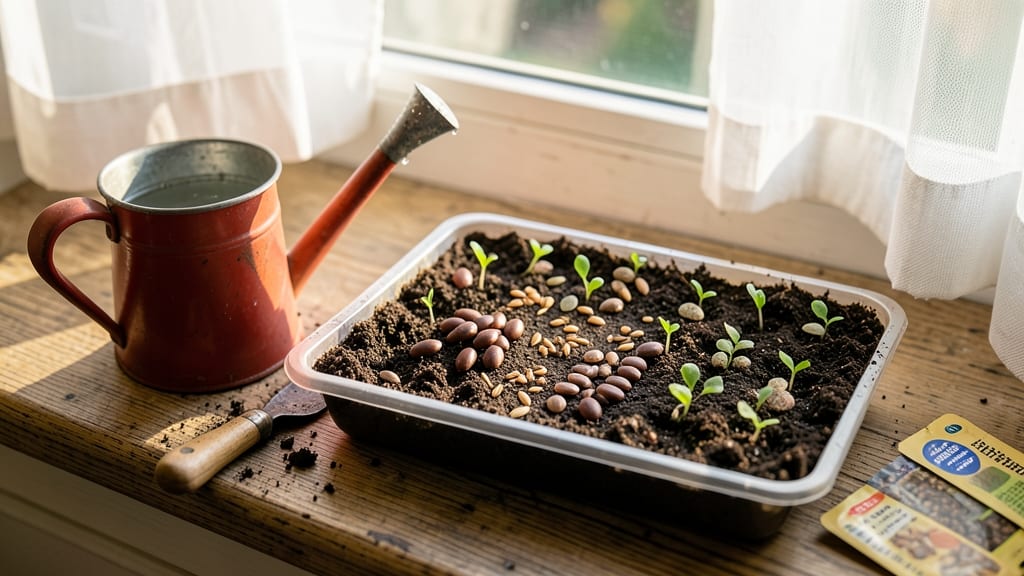
Your lush lawn starts with soil, seed, and water—the perfect trio that turns patchy grass into a vibrant carpet. 🌱 I’ve spent years testing what actually works (and what doesn’t), and the results speak for themselves: the right soil mix, fresh seeds, and consistent watering create a lawn that’s the envy of the neighborhood.
The secret isn’t complicated—it’s about prepping the soil so seeds can root deeply, choosing seeds that match your climate, and watering at the right times. Most people overlook soil quality, but healthy soil means stronger grass that fights off weeds and droughts.
A simple soil test (or just observing how water drains) tells you everything you need to know. By the end of the season, you’ll have a lawn that stays green year-round, resists foot traffic, and needs less watering.
The key is patience—good grass takes time, but the payoff is worth every drop of effort. Works for any yard size, from small patches to full acres. Let’s get started with the basics that actually make a difference!
📚 In This Guide
- What you need
- Instructions
- Tips and common mistakes
- Wrapping up and next steps
What you need
- ● Soil Test Kit: A DIY home test kit (e.g., Luster Leaf or MySoil) or lab-tested soil analysis report to check pH (ideal: 6.0–7.0) and nutrient levels.
- ● Topsoil or Compost: 2–3 cubic yards of high-quality topsoil (or a 50/50 mix of topsoil and compost) for a 600 sq. ft. area. Look for labels like "loamy" or "well-draining."
- ● Grass Seed: Cool-season grasses (e.g., Kentucky Bluegrass, Fescue): 10–15 lbs per 1,000 sq. ft. (choose based on your climate zone).
- ● Warm-season grasses (e.g., Bermuda, Zoysia): 8–12 lbs per 1,000 sq. ft. (ideal for Southern regions).
- ● Fertilizer: A slow-release, balanced fertilizer (e.g., 16-4-8 or 10-10-10) with 0.5 lbs of nitrogen per 1,000 sq. ft. Apply at seeding or 4–6 weeks later.
- ○ Water: Access to a hose with a sprinkler head (or a soaker hose for precision) and a water timer (optional but helpful).
- ● Lawn Rake: A bow rake (for leveling) and a garden rake (for debris removal).
- ● Broadcast Spreader: For even seed distribution (manual or drop-type preferred).
- ● Garden Gloves: Heavy-duty to protect hands from soil and seeds.
- ○ Soil Amendments (Optional): Gypsum: 20–50 lbs per 1,000 sq. ft. if soil is clay-heavy.
- ● Peat Moss or Coco Coir: 1–2 inches mixed into topsoil for moisture retention.
- ● Starter Fertilizer: High in phosphorus (e.g., 5-10-10) to boost root growth.
- ● Weather Check: Seed in spring or fall (avoid extreme heat or frost). Aim for 50–70°F soil temps for germination.
- ● Sunlight Assessment: Ensure the area gets 4–6+ hours of direct sunlight daily (most grasses need full sun).
- ● Soil Prep: Remove weeds, rocks, and debris. Loosen soil to 4–6 inches deep for roots.
- ● Water Source: Confirm you can water deeply 2x/day (morning/evening) for the first 2 weeks.
How to create the perfect foundation for a thriving lawn
Here's the science-backed approach I use to grow lawns that stay green year-round.
🌱 Step 1: Test and Amend the Soil
Start with a soil test kit to check pH and nutrient levels—most lawns need adjustment before planting. I aim for a pH between 6.0 and 7.0, which grass loves. If your soil is too acidic, add lime; if alkaline, work in sulfur or peat moss.
For compacted soil, aerate with a core aerator in late summer or early fall. You'll see plugs of soil pop out—that's your sign the roots can finally breathe. Mix in 2-3 inches of compost afterward to improve drainage and fertility. This step prevents future brown patches by giving roots room to grow deep.
🌱 Step 2: Choose the Right Grass Seed
Select seed blends suited to your climate and sun exposure. Cool-season grasses like Kentucky bluegrass or fescue thrive in northern regions, while Bermuda or Zoysia handle southern heat. I always check the label for coverage rates—planting too thickly wastes seed and causes competition.
Sprinkle seed evenly over the prepared soil, then lightly rake to ensure good soil contact. Cover with ¼ inch of topsoil to protect seeds from drying out or washing away. Water gently but thoroughly—you want the soil surface to stay moist but not soggy. This ensures even germination without washing seeds away.
💧 Step 3: Water Consistently for Germination
Keep the soil consistently moist for the first 2-3 weeks—that's when seeds germinate. I set a sprinkler timer for 10-15 minutes daily at dawn to minimize evaporation. You'll see tiny green shoots appear in 7-21 days, depending on the grass type and weather.
Once seedlings reach 2-3 inches tall, reduce watering to 1 inch per week, including rainfall. Overwatering now causes shallow roots, while underwatering stresses young plants. Let the top inch of soil dry between waterings—this trains roots to grow deeper from the start.
☀️ Step 4: Mow and Maintain for Long-Term Health
Wait until grass reaches 3-4 inches tall before the first mow—this ensures deep root systems. Set your mower blade to 3 inches high for cool-season grasses or 1-2 inches for warm-season types. Never remove more than ⅓ of the blade height at once; this prevents stress and disease.
Fertilize lightly in early spring and fall with a slow-release, balanced formula (like 10-10-10). You'll notice thicker growth and fewer weeds after the first application. Avoid heavy nitrogen in summer—it burns grass and attracts pests. Instead, focus on watering deeply and infrequently to encourage drought resistance.
⏰ Step 5: Monitor and Adjust Seasonally
Check soil moisture weekly by digging a 6-inch probe. If it feels dry, water deeply. In drought-prone areas, water early morning to reduce evaporation. You'll see brown patches if roots run shallow—this means it's time to aerate again or adjust watering habits.
Fall is the best time to overseed bare spots. Rake away dead grass, spread new seed, and keep the area moist. By spring, you'll have a uniform, lush lawn without patchy areas. This seasonal care keeps your lawn looking its best with minimal effort.
Tips & tricks for perfect lawn growth
These practical insights will help you avoid common mistakes and get that lush, green result every time.
Soil Prep Secret: When aerating in Step 1, focus on areas with heavy foot traffic or compacted soil first. You'll know you've done enough when you can see at least 20-25 plugs per square foot. After aerating, water the area lightly before adding compost—this helps it settle into those fresh holes where roots can access it most easily. The 2-3 inches of compost should be spread evenly and worked in just enough to cover the soil surface without piling up.
Seed Selection Insight: In Step 2, pay close attention to the seed coverage rates on the package. For example, a 5-pound bag of Kentucky bluegrass typically covers 1,000-1,200 square feet. If you're mixing grass types, calculate coverage based on the blend's lowest rate. Also, consider adding 10-20% more seed than calculated if you have birds or wildlife that might eat newly planted seeds—it's better to have extra than to deal with bare spots later.
Watering Wisdom: The 10-15 minutes daily watering in Step 3 should feel like a gentle rain, not a downpour. A good test is to check if the top inch of soil stays consistently moist—you should be able to push your finger in about an inch and feel dampness. Early morning watering (before 9 AM) is ideal because it reduces evaporation and gives grass blades time to dry before evening, preventing fungal diseases. If rain falls during your watering schedule, skip that day's watering to avoid over-saturation.
Mowing Mastery: When your grass reaches 3-4 inches for the first mow in Step 4, set your mower blade to 3 inches for cool-season grasses—this height helps shade the soil, retain moisture, and crowd out weeds. For warm-season grasses, stick to 1-2 inches but never cut more than ⅓ of the blade height at once. Mowing at the same height every time promotes consistent growth and prevents that "lawn stress" look. I always mow when the grass is dry to get cleaner cuts and avoid spreading disease through wet clippings.
Pro Tips for Soil Seed And Water
- These practical insights will help you avoid common mistakes and get that lush, green result every time.
- Soil Prep Secret: When aerating in Step 1, focus on areas with heavy foot traffic or compacted soil first.
- Seed Selection Insight: In Step 2, pay close attention to the seed coverage rates on the package.
Frequently asked questions
Got questions about growing a lush lawn with the perfect soil, seed, and water combo? You’re in the right place! Here are the answers to the most common queries—so you can skip the guesswork and get straight to green grass.
How often should I water my lawn for best results?
Water deeply 2-3 times per week (early morning is ideal) to encourage deep root growth. Aim for 1–1.5 inches of water per session—let the soil absorb it before the next watering. Overwatering wastes resources and can lead to shallow roots or fungal issues. Use a rain gauge to track!
When is the best time to plant grass seed?
The golden window is early spring or fall when soil temps are 60–75°F. Cool-season grasses (like Kentucky bluegrass) thrive in spring/fall, while warm-season types (like Bermuda) prefer late spring/summer. Avoid planting in extreme heat or drought—seedlings need consistent moisture to germinate!
Can I use topsoil from my yard to improve my lawn?
Only if it’s healthy and free of weeds! Test your soil first—if it’s compacted or nutrient-poor, mix in 1–2 inches of high-quality compost or topsoil. Avoid using soil from areas treated with herbicides or contaminated with debris. A soil test kit (or local extension service) can save you from costly mistakes!
Why is my lawn turning brown after watering?
Brown patches after watering often signal overwatering, fungal disease, or poor drainage. Check for:
- Mushy soil (too much water)
- Yellowish rings (fungus like brown patch)
- Puddles lingering for hours (drainage issues)
What’s the fastest way to fix thin or patchy grass?
Combine overseeding with these steps:
- Rake out dead patches to expose bare soil.
- Apply a starter fertilizer for quick nutrient boost.
- Use a high-quality seed mix (match it to your climate).
- Keep soil moist for 2–3 weeks post-planting.
Wrapping up and next steps
Growing a lush lawn isn’t just about luck—it’s a science-backed combination of healthy soil, quality seeds, and proper watering.
By understanding the right balance of nutrients, choosing the best grass types, and mastering irrigation techniques, you’re well on your way to a vibrant, resilient lawn that’s the envy of the neighborhood. 🌱
Ready to take action? Start small—test your soil, pick the perfect seeds for your climate, and fine-tune your watering routine. Every step you take brings you closer to that dream green space. You’ve got this!