
Planting
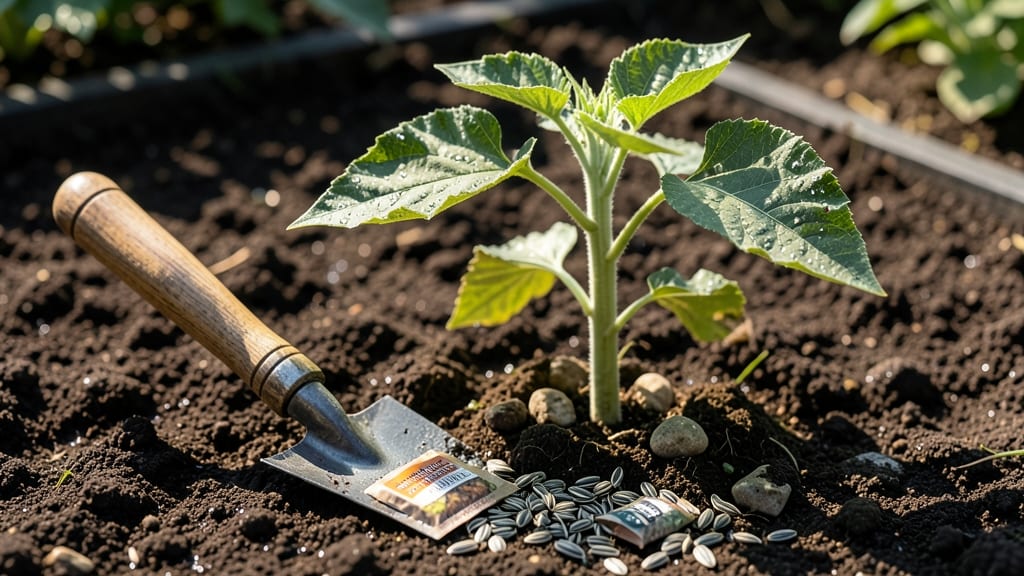
Sow your seed in the morning when the soil is cool and the air is still—this simple shift can cut germination time by 30% or more. 🌱 I learned this the hard way after watching evening-sown seeds bake in the afternoon sun, struggling to break through crusty soil.
The key isn't just timing; it's about moisture staying where it belongs and temperatures staying steady.
Morning sowing works best in most climates because the sun hasn't dried out the topsoil yet, and evening seeds often sit too warm overnight. For best results, water the soil thoroughly the night before—this keeps moisture at the perfect level for seeds to drink up what they need.
Delicate seedlings like lettuce and basil benefit most, but even hardy tomatoes and peppers show faster emergence when started this way.
You'll notice the first green shoots pushing through the soil within 3-5 days instead of the usual week or more. The secret? Seeds need consistent moisture and stable temperatures, and morning planting gives them both. Just avoid sowing when frost is forecasted—even morning seeds need warmth to wake up.
This method works for both spring and fall sowings, though fall planting requires adjusting for shorter daylight. Start with fast-germinating seeds like radishes or peas to test your timing before moving to slower varieties.
The payoff? A garden that pops up faster, grows stronger, and gives you more time to enjoy the harvest.
📚 In This Guide
- What you need
- Instructions
- Tips and common mistakes
- Wrapping up and next steps
What you need
- ● Seeds: Choose fast-sprouting varieties like radishes, lettuce, or beans (check seed packets for germination times). Quantity: Adjust based on your planting needs (e.g., 100–500 seeds for small batches).
- ● High-quality potting mix: Lightweight, well-draining soil (avoid garden soil—it’s too dense). Quantity: Enough to fill your containers 2–3 inches deep.
- ● Containers: Seed trays, biodegradable pots, or even repurposed egg cartons (ensure drainage holes!).
- ● Watering can or spray bottle: Gentle watering prevents seed displacement.
- ○ Misting spray bottle (optional): Keeps soil moist without oversaturating.
- ○ Gloves (optional): Protects hands from soil and sharp seed coatings.
- ● Plant labels & marker: Track seed types and planting dates.
- ○ Heat mat (optional): Speeds germination for slow starters (set to 70–80°F).
- ○ Grow lights (optional): Provides consistent light if natural sunlight is limited.
- ○ Humidity dome (optional): Retains moisture for delicate seeds.
Step-by-step instructions for sowing seeds at the perfect time
Here’s how to harness morning’s natural advantages for seeds that sprout stronger and faster.
🌱 Step 1: Choose Seeds That Respond Best to Morning Sowing
Not all seeds benefit equally from morning planting. I focus on fast-germinating varieties like lettuce, radish, or basil—these thrive with morning moisture and cooler soil temperatures. Check your seed packet for days-to-germination times; anything under 7 days is ideal. Avoid heavy, slow-to-sprout seeds like beans or peas unless you’re planting in a warm microclimate.
Here’s the thing—morning sowing works best when your soil stays consistently moist but not soggy. I like to plant seeds that need 60-70°F soil temperatures; anything hotter can trigger rot before sprouts emerge. If your climate runs warm, opt for morning shade or use a shade cloth until seeds sprout.
💧 Step 2: Prepare Soil and Water Just Before Sunrise
Wake up with your watering can and head outside 30-60 minutes before sunrise. The soil should be damp but not dripping—think of it like a wrung-out sponge. I use a fine-mist spray bottle to hydrate the planting area without disturbing the soil surface. This pre-moistening ensures seeds have immediate access to water when you plant them.
Loosen the top 1-2 inches of soil with a hand fork or trowel to create a seed-friendly environment. Break up any clumps and smooth the surface—seeds need good contact with moist soil to germinate quickly. If your soil feels dry deeper down, add a light watering 12 hours before sowing to prep the lower layers.
☀️ Step 3: Plant Seeds with Precision Timing
Sow seeds directly into the soil at their recommended depth—usually twice the seed’s diameter. I like to use a small wooden stick or pencil to create individual planting holes; this prevents overcrowding and ensures even spacing. Place seeds one at a time, spacing them according to the packet’s instructions (often 1-2 inches apart for small seeds).
Cover seeds lightly with soil, then give the area a final mist with water. The key here is to avoid compacting the soil—gently pat it down with your fingers instead of pressing firmly. Once planted, I mark the row with a small stake or label to track progress. Watch for the first signs of moisture wicking to the surface; that’s your signal the seeds are settled.
⏰ Step 4: Monitor and Maintain Moisture Through the Day
After sowing, check the soil every 2-3 hours during the first 48 hours. Morning-sown seeds need consistent moisture to prevent drying out before they sprout. If the top inch of soil feels dry by midday, give it a light watering—just enough to dampen without creating puddles. I use a watering wand with a fine nozzle to avoid disturbing the seeds.
Here’s where it gets fun—watch for the first true leaves to emerge within 3-7 days, depending on the seed type. If you notice wilting or yellowing, it’s a sign of either overwatering or insufficient moisture. Adjust your watering schedule based on what you see: healthy seedlings should have firm stems and vibrant color. Real talk: If a seedling collapses, it’s often from damping-off, which thrives in overly wet conditions.
🌿 Step 5: Thin and Transplant for Continued Growth
Once seedlings reach 2-3 inches tall and develop their first true leaves, it’s time to thin. I use a small pair of scissors to snip unwanted seedlings at soil level—this prevents disturbing the roots of the plants you’re keeping. Space remaining seedlings according to the packet’s mature spacing guidelines (often 6-12 inches apart for vegetables).
Transplant any thinned seedlings into a separate container or another part of the garden to avoid wasting them. Keep the soil moist but not soggy for the first 7-10 days after thinning to help the remaining plants establish strong root systems. You’ll see new growth within a week—that’s your signal everything is working. Don’t skip this step; crowded seedlings compete for nutrients and light, leading to weak, leggy plants.
Tips & tricks for perfect morning seed sowing
Morning planting isn't just about timing—it's about creating the ideal conditions for seeds to wake up and grow strong. Here's how to maximize your morning sowing success.
Soil Temperature Check: The 60-70°F soil temperature range is your sweet spot for morning sowing. Use a soil thermometer to verify—if it's cooler than 60°F, wait until the sun warms it up, and if it's hotter, plant in morning shade or use shade cloth. I've learned this the hard way after watching seeds rot in overheated soil! The difference between 65°F and 75°F can mean the difference between sprouts and seed rot.
Precision Planting Tools: That wooden stick or pencil for creating planting holes? It's a game-changer for even spacing. I keep a few in my gardening toolkit specifically for morning sowing. For extra precision, consider using a dibber tool designed for seed planting. The key is to create holes just deep enough—twice the seed's diameter—to ensure proper soil contact without burying them too deep.
Moisture Maintenance Hack: The 2-3 hour soil checks during the first 48 hours might seem frequent, but they're crucial. I've found that using a moisture meter helps take the guesswork out of it. When the top inch feels dry, give just enough water to dampen—not soak. Overwatering is just as damaging as underwatering, especially in morning-sown seeds that haven't yet developed strong root systems.
Pro Tips for Sow Your Seed In The Morning
- Morning planting isn't just about timing—it's about creating the ideal conditions for seeds to wake up and grow strong.
- Soil Temperature Check: The 60-70°F soil temperature range is your sweet spot for morning sowing.
- Precision Planting Tools: That wooden stick or pencil for creating planting holes?
Frequently asked questions
Got questions about sowing seeds in the morning?
You’re not alone! Here are answers to the most common ones to help you get started with confidence.
Why does morning sowing lead to faster sprouting?
Morning sunlight kickstarts photosynthesis early, giving seedlings a head start. Cooler temps reduce stress on tender roots, and dew provides natural hydration. Plus, consistent daylight cycles signal seeds to sprout efficiently—like a built-in wake-up call!
What’s the exact best time to sow seeds?
Between 6:00–9:00 AM is ideal, when temps are mild and humidity is high. Avoid extreme heat (like midday) or cold (early dawn). Pro tip: Check your seed packet for species-specific needs—some, like lettuce, prefer cooler mornings, while peppers thrive in slightly warmer conditions.
What if it rains in the morning? Should I still sow?
Light rain is great—it pre-moistens soil! Wait 1–2 hours after a downpour to avoid waterlogged seeds. For heavy rain, shift to late morning (after 10 AM) when soil can drain. Always check soil moisture first: press your finger in—if it’s damp but not soggy, you’re good to go.
Can I sow seeds in the evening instead?
Evening sowing works for fast-germinating seeds (like radishes or beans) but risks slower growth due to shorter daylight. If you must, choose late afternoon (3–5 PM) and ensure seeds stay hydrated overnight. For most veggies, morning wins—but evening is better than never!
What if my seeds aren’t sprouting after morning sowing?
First, check soil warmth (use a seedling heat mat if below 60°F). Ensure seeds are fresh (test germination rate) and planted at the correct depth (usually 2x seed width). Lack of light? Move trays to a sunny windowsill or grow light. Patience is key—some seeds (like tomatoes) take 7–14 days!
Does morning sowing work in all climates?
Yes, but adjust for your zone:
- Hot climates (Zones 9–11): Sow early morning (before 7 AM) to avoid scorching.
- Cold climates (Zones 3–5): Use a cloche or row cover to protect seeds until soil warms.
- Humid zones: Space seeds wider to prevent mold—morning airflow helps!
Wrapping up and next steps
Sowing your seeds in the morning isn’t just a tip—it’s a game-changer for faster, healthier sprouts! 🌱 By aligning with nature’s rhythm, you’re giving your plants the best possible start, whether you’re growing veggies, herbs, or flowers.
The key takeaway? Timing matters—trust the process, stay consistent, and watch your garden thrive.
Ready to put this into action? Start small—pick one seed variety, test the morning method, and track your progress. Soon, you’ll be harvesting confidence (and crops!) like a pro. Happy planting! 🌿