
Vegetables
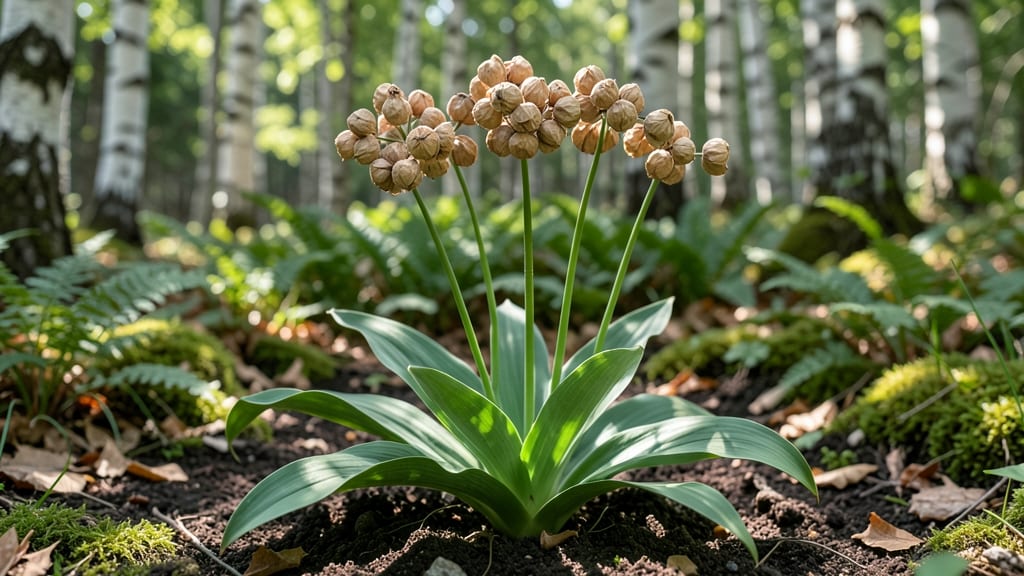
Harvesting wild garlic seed heads lets you grow this fragrant, pest-repelling plant for free—no twisty stems or messy cleanup. 🌱 I used to toss them, but now I save seeds that multiply my garden's natural pest control and culinary herb supply every year.
The secret starts when seed heads turn golden-brown and papery—this is your cue to snip them cleanly with scissors. Bundle them upside-down in paper bags, then let them dry for 2-3 weeks in a dark, dry spot.
Shake out the seeds later, and you'll have enough to plant a whole new patch next spring. You'll end up with lush, self-seeding clumps that spread effortlessly, filling shady spots with that unmistakable garlic scent.
The plants thrive in partial shade, tolerate poor soil, and come back stronger every year. Perfect for gardeners who want zero-waste propagation and a free supply of wild garlic for cooking or pest control. Here's how to do it right the first time!
📚 In This Guide
- What you need
- Instructions
- Tips and common mistakes
- Wrapping up and next steps
What you need
- ● Wild garlic plants – Mature plants with fully formed seed heads (ensure they’re pesticide-free and grown in a natural setting).
- ● Pruning shears or sharp scissors – For clean, twist-free harvesting (sterilize with rubbing alcohol if reusing).
- ● Paper bags or breathable mesh bags – 2–3 medium-sized bags (10x12 inches) to collect seed heads.
- ● Labeling tags & marker – To tag bags with the harvest date and plant variety.
- ○ Gloves (optional but recommended) – Protects hands from sap and potential skin irritation.
- ● Drying tray or screen – A flat, elevated surface (like a cooling rack or wire mesh) to air-dry seeds.
- ● Paper towels or newspaper – For cleaning seed heads before drying.
- ● Magnifying glass – For inspecting seed heads for pests or damage.
- ● Small fan or dehumidifier – Speeds up drying in humid climates.
- ● Seed storage containers – Airtight jars or envelopes for long-term seed preservation.
- ● Camera or sketchbook – To document seed head stages for future reference.
How to harvest wild garlic seed heads without twisting
Here's the gentle method I use to collect seed heads without damaging plants or wasting seeds.
🌱 Step 1: Identify Mature Seed Heads
Wild garlic seed heads are ready when they turn from green to a pale brown color and the individual seed pods begin to rattle when shaken gently. I look for seed heads that are fully upright but still attached to the plant—these are the ones that will release seeds easily. Avoid any heads that have already opened completely or show signs of mold.
Harvest on a dry morning after the dew has evaporated. This ensures the seed heads are firm and less likely to crumble in your hands. You'll know you're ready when you can see the tiny brown seeds inside the pods through a magnifying glass or just by holding the head up to the light.
✂️ Step 2: Cut the Seed Heads at the Base
Use clean, sharp scissors or pruning shears to snip the seed heads just above the leaf cluster. I always cut at a 45-degree angle to create a larger surface area for water absorption if I decide to replant any slips later. This also prevents water from pooling on the cut stem, which can cause rot.
Hold the seed head upside down over a clean paper bag or envelope to catch any seeds that might fall during the cutting process. Don't twist or pull the seed heads—this can damage the plant and cause it to bolt prematurely next season. A clean cut ensures the plant puts its energy into growing new leaves rather than repairing damaged tissue.
🪴 Step 3: Dry the Seed Heads Properly
Hang the seed heads upside down in a dry, well-ventilated area with good airflow, like a mesh bag or a paper bag with holes punched in it. I use a string to hang them from a hook or a clothesline in my garage, which stays cool and dry. Avoid direct sunlight—it can overheat the seeds and reduce their viability.
Check the seed heads every few days to ensure they're drying evenly. You'll know they're ready when the seed pods are completely dry and brittle to the touch. If you press a seed pod gently and it crumbles, it's time to harvest the seeds. This usually takes about 2-3 weeks, depending on your climate and humidity levels.
🌿 Step 4: Collect and Store the Seeds
Once the seed heads are fully dry, gently rub them between your hands or use a small brush to release the seeds into a clean envelope or small paper bag. I label each bag with the date and variety (if applicable) to keep track of when they were harvested. Store the seeds in a cool, dark place, like a sealed container in the refrigerator or a jar in a pantry.
Wild garlic seeds can remain viable for up to 3 years if stored properly. To test their viability, I plant a few seeds in a small pot of moist potting mix and cover them lightly with soil. If they sprout within 2-3 weeks, the rest of the seeds are likely good to use. This method also helps you gauge how many seeds you'll need for your garden next season.
💧 Step 5: Return Nutrients to the Soil (Optional)
After collecting the seeds, you can compost the dried seed heads or return them to the garden as mulch. I like to chop them up finely and mix them into the soil around the base of the plants. This adds organic matter and nutrients back into the soil, which helps the wild garlic thrive and encourages it to spread naturally.
If you notice any remaining seed pods still attached after drying, you can crush them lightly with your fingers and mix them into the compost pile. This ensures no seeds are wasted and everything is put to good use. The process feels rewarding—you're not just harvesting seeds, you're completing the plant's life cycle and preparing for next year's crop.
Tips & tricks for perfect wild garlic seed harvesting
These little details make all the difference when gathering wild garlic seeds without stress or waste.
Timing is Everything: Harvest seed heads in the morning when they're dry and firm—never after rain or dew. The pale brown color and rattling sound when shaken are your best indicators of readiness. I've learned the hard way that harvesting too early means immature seeds, while waiting too long risks them scattering on their own. That moment when you see tiny brown seeds through the pods? That's your cue to act.
The Cutting Technique: The 45-degree angle cut isn't just for looks—it prevents water from pooling on the stem, which could cause rot. I use small pruning shears because they give me more control than scissors. Hold the seed head upside down over your bag during cutting to catch any seeds that might fall prematurely. This simple step saves you from losing seeds right when you're about to collect them.
Drying Secrets: The 2-3 week drying period can feel long, but patience pays off. I place mine in my garage where it stays cool and dry, checking every few days. If you notice any mold developing, move them to a drier spot immediately. The moment the pods become brittle enough to crumble is when you know they're ready for seed collection. This is where most people rush and end up with seeds that won't germinate.
Seed Viability Test: That 2-3 week germination test isn't just for show—it's your quality control. Plant a few seeds in moist potting mix and cover lightly. If they sprout within that timeframe, you know your main batch is good. I've had batches where only 50% sprouted because I didn't do this test first, and it was heartbreaking to waste those seeds. This simple step gives you confidence in your harvest.
Pro Tips for Wild Garlic Seed Heads
- These little details make all the difference when gathering wild garlic seeds without stress or waste.
- Timing is Everything: Harvest seed heads in the morning when they're dry and firm—never after rain or dew.
- The Cutting Technique: The 45-degree angle cut isn't just for looks—it prevents water from pooling on the stem, which could cause rot.
Frequently asked questions
Got questions about harvesting wild garlic seed heads?
Here are answers to the most common ones—so you can save seeds like a pro without the fuss!
When is the best time to harvest wild garlic seed heads?
Harvest seed heads when they’re fully brown and dry but before they shatter—usually late spring to early summer, depending on your climate. Wait too long, and the seeds will scatter! Morning harvests work best when humidity is low.
How do I collect seeds without losing them to the wind?
Use a paper bag or breathable mesh bag to gently shake seed heads—never plastic, or static will cling to the seeds. Alternatively, cut stems and hang them upside down in a dry, dark place to release seeds naturally into a container below.
Can I save seeds from store-bought wild garlic?
Nope! Store-bought garlic (even labeled "wild") is often hybridized or treated to prevent seed production. For viable seeds, grow your own plants from bulbs or wild-harvested seed heads. Pro tip: Cross-pollination is rare in wild garlic, so seeds stay true to type!
How do I store wild garlic seeds for next season?
Let seeds dry completely (1–2 weeks in a cool, dark place), then store them in a paper envelope or glass jar in the fridge or freezer. Label with the year—seeds stay viable for 2–3 years if kept dry!
What if my seed heads mold or rot before drying?
Moisture is the enemy! Harvest on a dry day and avoid cutting stems too close to the soil. If mold appears, spread seed heads in a single layer on a clean towel in a dry, well-ventilated spot (like a sunny windowsill). Discard any slimy or discolored seeds.
Wrapping up and next steps
Harvesting wild garlic seed heads isn’t just a skill—it’s a celebration of zero-waste gardening and the beauty of nature’s cycles! 🌱 By mastering twist-free techniques, you’re not only preserving these delicate blooms but also ensuring future harvests and sharing their magic with fellow gardeners.
Whether you’re a seasoned seed saver or a curious beginner, every twist and turn brings you closer to a sustainable, flavor-packed future.
Ready to take the next step? Start small:
- Label and store your seed heads properly—your future plants will thank you!
- Share your harvest with friends or local gardening groups to spread the joy.
- Experiment with growing wild garlic from seed and watch your garden thrive!