Planting
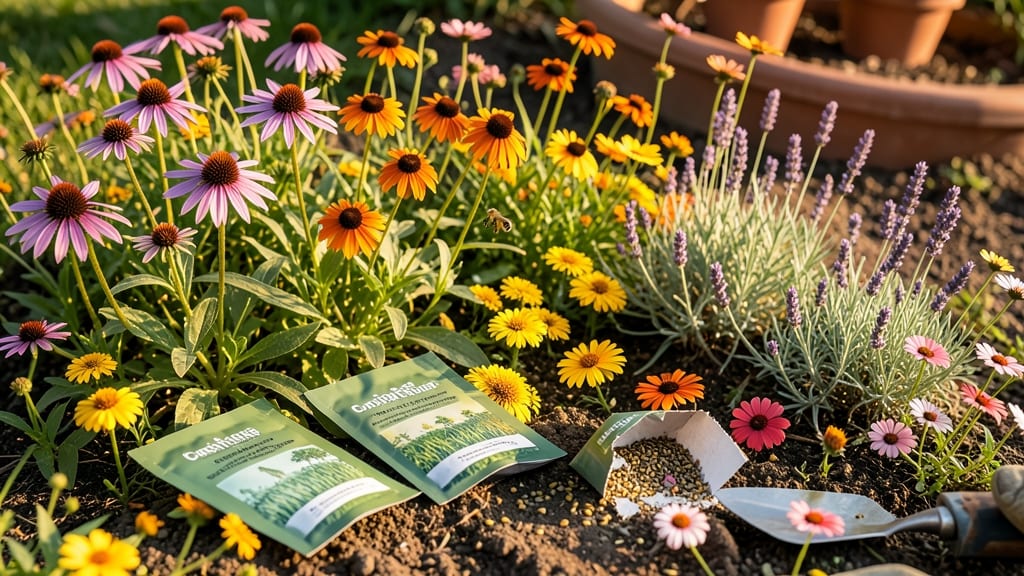
Wildflower seed packets transform bare patches into buzzing ecosystems—no green thumb required. 🌸 I’ve planted mine in everything from rocky slopes to city planters, and the key is matching seeds to your climate and sunlight.
A single packet can cover a 10-foot square, but the real magic happens when you let nature take over. The secret isn’t fancy tools—just a rake for soil prep, a light sprinkle of seeds, and patience.
Most wildflower mixes bloom in 6-8 weeks, attracting bees, butterflies, and hummingbirds within months. My first attempt? A 5-minute scatter in spring that turned into a summer pollinator paradise. You’ll skip the weeding wars (wildflowers outcompete weeds) and enjoy low-maintenance beauty for years.
Just avoid overwatering—these tough seeds need moisture only until they sprout, then they thrive on rain alone. Perfect for beginners, eco-conscious gardeners, or anyone tired of mowing. Here’s how to make it effortless—no horticulture degree needed.
📚 In This Guide
- What you need
- Instructions
- Tips and common mistakes
- Wrapping up and next steps
What you need
- ● Wildflower seed packets: Choose native species for your region (check the packet for details). Start with 1–2 packets (about ½–1 lb of seeds) for small gardens or 3–5 packets (1–3 lbs) for larger areas.
- ● Preparation tool: A rake (for loosening soil) or a broadfork (for no-till planting). A hand cultivator works for small patches.
- ● Water source: A hose with a gentle spray nozzle or a watering can (avoid high-pressure sprinklers). Aim for 1–2 gallons per 10 sq. ft. per week.
- ○ Optional but helpful: A seed spreader (for even distribution over large areas).
- ● Garden gloves (to protect your hands from prickly seeds or soil).
- ● A notebook or app (to track planting dates and varieties).
- ● Soil is 60–70°F (spring or early fall, depending on your climate).
- ● There’s no recent rain (dry soil helps seeds make contact).
- ● The area gets full sun (6+ hours/day) or partial shade (check seed packet specs).
Instructions for planting wildflower seed packets
Here's how to transform your outdoor space into a buzzing, colorful pollinator paradise with minimal effort.
🌱 Step 1: Prepare the Planting Site
Choose a sunny location with 6+ hours of direct sun daily—wildflowers thrive where most lawn grasses struggle. Clear the area of weeds by hand or with a hoe, focusing on removing any established plants that might compete with your wildflowers for sunlight and nutrients. I like to work in small sections, about 4 feet by 4 feet, to avoid exhaustion.
Loosen the top 2-3 inches of soil with a rake or cultivator, breaking up any compacted layers. Wildflower seeds need good soil contact to germinate, so a slightly rough surface helps them settle properly. If your soil is heavy clay, mix in a thin layer of compost or sand to improve drainage—this prevents waterlogging that can rot seeds before they sprout.
💧 Step 2: Scatter Seeds Evenly
Open your wildflower seed packet and pour the seeds directly onto the prepared soil. Don't worry about spacing—wildflowers naturally self-seed and fill in gaps over time. For a 4-foot by 4-foot area, one packet typically covers about 500 square feet, so you'll only need a fraction of the packet per section. I gently tap the packet to release seeds evenly, then lightly rake the soil to press seeds into the surface without burying them.
Most wildflower seeds need light to germinate, so avoid covering them with more than ¼ inch of soil. If your packet includes a mix of annuals and perennials, check the label—some varieties like poppies need almost no soil coverage, while others like coneflowers tolerate slightly deeper planting. Water the area lightly immediately after scattering to settle seeds into the soil.
☀️ Step 3: Water and Maintain Until Germination
Keep the soil consistently moist but never soggy for the first 2-4 weeks—this is critical for germination. Water deeply 2-3 times per week until the seeds sprout, using a gentle sprinkler or watering can to avoid displacing seeds. You'll see tiny green shoots appear within 7-21 days, depending on the species and weather conditions. I test soil moisture by sticking my finger 1 inch deep—if it feels dry, it's time to water.
Once seedlings emerge, reduce watering to once per week unless your area experiences extreme heat or drought. Wildflowers develop deep roots quickly and become drought-tolerant once established. Avoid fertilizers—wildflowers thrive in lean soil and compete poorly with weeds if given too many nutrients. Instead, pull any emerging weeds by hand to give your wildflowers space to grow.
✂️ Step 4: Encourage Growth and Prevent Overcrowding
As your wildflowers mature, you'll notice some plants growing taller or more vigorously than others. Thin seedlings to 6-12 inches apart when they reach 2-3 inches tall, removing the weakest plants to give stronger ones room. This step prevents overcrowding and ensures each plant gets adequate sunlight and nutrients. I use small scissors or my fingers to gently pull unwanted seedlings, being careful not to disturb the roots of remaining plants.
Deadhead spent blooms in late summer to encourage a second flush of flowers and prevent self-seeding where you don't want it. However, leave some seed heads for pollinators and to naturally propagate your garden. Wildflowers often bloom at different times throughout the season, so resist the urge to trim everything back—each stage provides food for different pollinators, from bees to butterflies.
Tips & tricks for perfect wildflower planting
Transforming your yard into a pollinator haven doesn't require a green thumb—just these simple strategies to maximize success.
Site Selection Wisdom: While the instructions call for 6+ hours of sun daily, don't overlook partial shade spots for shade-tolerant varieties like black-eyed Susans or asters. Test your site first: if weeds struggle in a spot, your wildflowers will too. I've had great success planting in 4-6 hours of sun with these hardy species—just choose your seed mix carefully.
Soil Prep Shortcuts: For heavy clay soil, mix in a thin layer of compost or sand (as mentioned) but don't overdo it—wildflowers prefer lean soil. I've found that simply scoring the surface with a rake creates enough texture for good seed contact without needing to amend. The key is that rough surface you create, not the amendments themselves.
Seed Scattering Technique: When tapping your seed packet, do it directly over the prepared soil at a 45-degree angle to create natural spacing patterns. For larger areas, consider mixing seeds with dry sand (about 10 parts sand to 1 part seeds) to distribute more evenly. This sand trick works especially well when planting along fence lines or slopes where seeds might roll away.
Germination Troubleshooting: If you're not seeing sprouts within the 7-21 day window, check your watering routine. The soil should feel like a wrung-out sponge at 1-inch depth—not bone dry, not soggy. I've found that morning watering (before 10am) prevents evaporation and fungal issues that can delay germination. And if your area gets afternoon rains, consider covering newly planted seeds with lightweight landscape fabric until they sprout.
Pro Tips for Wildflower Seed Packets
- Transforming your yard into a pollinator haven doesn't require a green thumb—just these simple strategies to maximize success.
- Site Selection Wisdom: While the instructions call for 6+ hours of sun daily, don't overlook partial shade spots for shade-tolerant varieties like black-eyed Susans or asters.
- Soil Prep Shortcuts: For heavy clay soil, mix in a thin layer of compost or sand (as mentioned) but don't overdo it—wildflowers prefer lean soil.
Frequently asked questions
Got questions about wildflower seed packets?
You’re not alone! Here are answers to the most common queries to help you grow a thriving pollinator garden with confidence.
When is the best time to plant wildflower seed packets?
The ideal time depends on your climate, but early spring (after the last frost) or late summer/early fall are the sweet spots. Cool-season wildflowers (like poppies) love spring, while warm-season varieties (such as coneflowers) thrive when planted in summer. Check your seed packet for specific timing—it’s your cheat code!
How much water do wildflower seeds need after planting?
Keep the soil consistently moist (not soggy!) for 2–4 weeks—think of it like a spa day for your seeds. Once sprouts appear, water deeply but less frequently (about 1 inch per week). Drip irrigation or soaker hoses work wonders to avoid washing seeds away. Pro tip: Morning watering prevents evaporation and fungal issues.
Can I plant wildflower seed packets in containers or just the ground?
Containers, window boxes, and even hanging baskets work—just use a well-draining soil mix and ensure they’re at least 6 inches deep. Opt for smaller wildflowers like lobelia or sweet alyssum for pots, while larger varieties (e.g., black-eyed Susans) need ground space. Bonus: Container gardens are perfect for balconies or urban spaces!
Why aren’t my wildflower seeds germinating? Troubleshooting tips.
Seeds might need a little TLC. Check these fixes:
- Depth: Most seeds need light—press them lightly into soil (¼ inch max).
- Sunlight: Ensure the spot gets 6+ hours of sun daily (check your packet—some tolerate shade).
- Soil: Amend heavy clay or sandy soil with compost for better moisture retention.
- Patience: Some seeds (like milkweed) take 2–3 weeks to sprout. Don’t give up!
Do wildflower seed packets attract pests like weeds or insects?
Wildflowers attract pollinators (like bees and butterflies)—that’s the goal!—but they won’t turn your garden into a weed jungle if planted correctly. To minimize weeds, remove them by hand early or use mulch. As for pests, most wildflowers are pest-resistant, but aphids or deer might visit. Try companion planting (e.g., marigolds) to deter critters.
Wrapping up and next steps
Transforming your space into a buzzing, blooming pollinator paradise has never been easier—just grab a pack of wildflower seeds, a little sunshine, and a sprinkle of patience! 🌼 Whether you're a green thumb or a curious beginner, these stress-free seed packets make it simple to grow vibrant gardens that support bees, butterflies, and hummingbirds. Your next step? Pick your favorite mix, find that sunny spot, and let nature do the rest—one seed at a time!
Ready to grow? Start small with a single packet, then expand your garden as your confidence (and pollinator friends!) flourish. Happy planting! 🌱