
Lawn
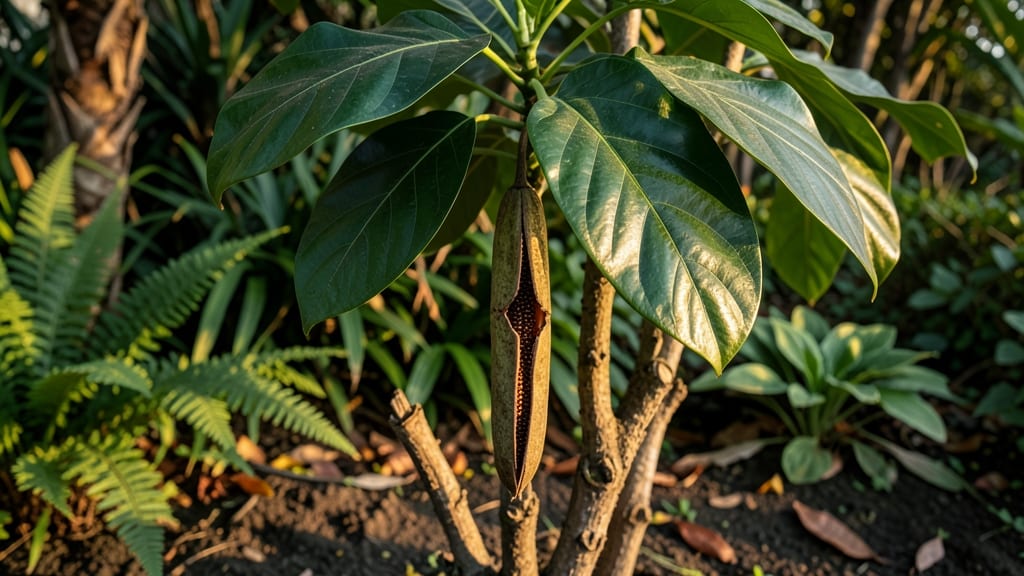
Breaking dormancy in angel trumpet seed pods is the secret to growing these stunning, fragrant plants from scratch. 🌱 I’ve struggled with germination for years—until I discovered the exact timing and moisture trick that finally worked.
The key lies in understanding when the seeds are ready and how to mimic their natural environment. Most gardeners overlook the importance of freshness—seeds from fully ripe pods germinate far better than dried ones. Once you’ve collected them, you’ll need a warm, humid setup to trick the seeds into sprouting.
This isn’t just about patience; it’s about creating the right conditions to coax life from what looks like a lost cause. By the time you see those first tiny leaves, you’ll know you’ve cracked the code.
The seedlings grow surprisingly fast once they break dormancy, and with proper care, you’ll have a thriving Brugmansia plant in just a few months. Just remember—these plants are toxic, so handle them with gloves and keep them away from pets and kids.
This method works for both indoor starts and greenhouse setups. Let’s get those seeds sprouting!
📚 In This Guide
- What you need
- Instructions
- Tips and common mistakes
- Wrapping up and next steps
What you need
- ● Angel trumpet seed pods: 5–10 fresh, mature pods (harvest when slightly dried but still pliable). Pro tip: 💡 Collect pods from healthy, disease-free plants for the best results!
- ● Paper towels or coffee filters: 2–3 sheets (for moisture retention during stratification).
- ● Plastic zip-top bags: 1–2 quart-sized bags (to create a humid, controlled environment).
- ● Water: Distilled or dechlorinated (to avoid chemical exposure).
- ● Small containers or pots: 3–5 (4–6" diameter) with drainage holes for transplanting.
- ● Potting mix: 1–2 bags of well-draining, seed-starting mix (sterilized to prevent mold).
- ● Scissors or pruners: Sharp pair for opening seed pods safely.
- ○ Spray bottle: Optional, for gentle misting if needed.
- ○ Thermometer (optional): To monitor stratification temps (ideal: 35–45°F / 2–7°C).
- ○ Heat mat (optional): For warm stratification (if breaking dormancy faster).
- ● Gloves (recommended): Angel trumpet seeds contain toxic alkaloids—wear protective gear!
- ● Patience: Angel trumpet seeds can take weeks to months to germinate—stratification is key!
- ● Sunlight access: A bright, indirect spot for seedling growth (or grow lights).
- ● Safety knowledge: Research toxic properties of angel trumpet (Brugmansia) and handle seeds carefully.
- ● Climate awareness: Angel trumpet thrives in USDA Zones 9–11—plan for indoor starts if you’re in a cooler zone.
Step-by-Step guide to germinating angel trumpet seed pods
Here's the dormancy-breaking method I use to get these temperamental seeds sprouting reliably.
🌱 Step 1: Harvest and Dry the Seed Pods
Collect mature seed pods when they turn brown and split open naturally—this usually happens in late fall. Place them in a paper bag and store in a dry, dark location for 2-3 weeks to complete drying. The pods should rattle when shaken, indicating the seeds are fully mature.
I like to spread them on a clean towel in a single layer to prevent mold. Avoid plastic bags—condensation will rot the seeds. Once completely dry, crack open the pods to release the large, flat seeds inside. Store them in an airtight container until ready to plant.
💧 Step 2: Stratify Seeds to Break Dormancy
Angel trumpet seeds need cold stratification to mimic winter conditions. Mix the seeds with moistened sand or perlite in a sealed container, then refrigerate for 6-8 weeks at 35-40°F. Check weekly to ensure the mix stays damp but not soggy—seeds should feel slightly damp to the touch.
This cold treatment tricks the seeds into thinking winter has passed, prompting them to germinate. I use a small plastic container with a lid and poke a few holes for airflow. Don't skip this step—without stratification, germination rates drop to nearly zero.
☀️ Step 3: Sow Stratified Seeds Indoors
After stratification, plant the seeds in well-draining potting mix in 4-inch pots, about ½ inch deep. Space them 1-2 inches apart since they germinate slowly. Water lightly but keep the soil consistently moist—not waterlogged—until germination occurs in 4-8 weeks.
Place the pots in a warm, bright location with indirect light (like a south-facing window with sheer curtain). A heat mat set to 70-75°F speeds up germination. Be patient—these seeds take longer than most to sprout, but don’t give up after 6 weeks.
🌿 Step 4: Transplant Seedlings Carefully
Once seedlings reach 3-4 inches tall with 2-3 true leaves, transplant them into individual 6-inch pots or directly into the garden after the last frost. Handle them gently—they have delicate roots. Use a well-draining mix with added compost to support their rapid growth.
Angel trumpets need full sun (6+ hours daily) and rich soil to thrive. Water deeply once a week, letting the soil dry slightly between waterings. Watch for yellowing leaves—this usually means overwatering or poor drainage.
Tips & tricks for perfect angel trumpet germination
These little-known tricks will help you bypass the biggest hurdles with angel trumpet seeds—and actually get them to sprout.
Timing Secret: In Step 1, don't rush the drying process. Those 2-3 weeks in a dark place are non-negotiable—this mimics the natural drying period the seeds need to break their hard outer shell. I've tried skipping this step, and the seeds either rot or refuse to germinate later. Place a small fan nearby to circulate air and prevent mold while keeping that single layer on the towel.
Stratification Strategy: For Step 2, use a clear plastic container with a tight lid to monitor moisture levels during the 6-8 weeks at 35-40°F. The mix should stay damp like a wrung-out sponge. If condensation forms, crack the lid open slightly—too much moisture will cause mold. I keep mine in the crisper drawer of my fridge where temps stay consistent. The goal is to simulate winter's cold snap that triggers germination.
Sowing Success: When planting in Step 3, press each seed just slightly into the ½-inch deep hole—don't pack it down. Angel trumpet seeds need good airflow to prevent rot. I label each pot with the date to track the 4-8 week germination window. Place a humidity dome over the pots (like a plastic bag with holes) for the first week to maintain moisture while they establish roots.
Transplanting Tip: In Step 4, wait until seedlings have 2-3 true leaves before transplanting—those first leaves are just baby leaves. Handle them by the soil, not the stems, to avoid damaging the delicate roots. I use a small trowel to loosen the soil around the roots before transferring to larger pots or garden beds. This reduces transplant shock and gives them a better start.
Pro Tips for Angel Trumpet Seed Pod
- These little-known tricks will help you bypass the biggest hurdles with angel trumpet seeds—and actually get them to ...
- Timing Secret: In Step 1, don't rush the drying process. Those 2-3 weeks in a dark place are non-negotiable—this mimi...
- Stratification Strategy: For Step 2, use a clear plastic container with a tight lid to monitor moisture levels during...
Frequently asked questions
Got questions about angel trumpet seed pods and how to crack dormancy for better germination? You’re not alone! Here are some of the most common queries—and their answers—to help you grow like a pro.
Why do angel trumpet seeds need dormancy-breaking before planting?
Angel trumpet seeds have a hard, waxy coat that blocks water and oxygen, slowing germination. Breaking dormancy (via scarification, stratification, or soaking) mimics natural weathering, helping seeds absorb moisture and sprout reliably. Without this step, you might wait months—or never see growth!
How long should I soak angel trumpet seed pods before planting?
Soak the pods in warm water for 24–48 hours, changing the water every 12 hours to prevent mold. For tougher seeds, extend to 72 hours but monitor for softening. Avoid boiling water—stick to room temperature or slightly warm (up to 85°F). Pro tip: Rub the softened pods gently with sandpaper afterward to speed up germination!
Can I use hot water to break dormancy instead of soaking?
Yes! Pour boiling water over the seeds/pods and let them sit for 5–10 minutes, then drain and rinse with cool water. This mimics natural heat shocks and softens the seed coat faster. Just avoid overdoing it—too much heat can damage the seed. Follow up with a 24-hour soak for best results.
What’s the best way to plant angel trumpet seeds after dormancy-breaking?
After soaking/scarifying, plant seeds ¼–½ inch deep in well-draining soil (mix in perlite for aeration). Keep the soil moist but not soggy and place in a warm, sunny spot (70–85°F). Germination can take 2–6 weeks—patience is key! Use a humidity dome or plastic wrap to retain moisture until sprouts appear.
My angel trumpet seeds aren’t germinating—what’s going wrong?
Try these fixes if seeds stall:
- Check moisture: Soil should feel like a damp sponge—not dry or waterlogged.
- Verify warmth: Use a heat mat if temps drop below 60°F.
- Test viability: Cut open a seed—if it’s mushy or discolored, it’s likely dead.
- Re-scarify: If seeds were only soaked, try light sandpaper again or a longer soak.
Wrapping up and next steps
Breaking the dormancy of angel trumpet seed pods doesn’t have to be a guessing game—with the right techniques, you can unlock reliable germination and transform your lawn into a stunning, fragrant oasis! 🌱 From cold stratification to scarification, each method offers a clear path to success, ensuring those delicate seeds wake up and thrive.
Whether you’re a seasoned gardener or just starting, patience and consistency are your best allies.
Ready to take the next step? Grab your seed pods, gather your supplies, and give these dormancy-breaking tricks a try. Watch as your angel trumpet seeds sprout with confidence—and soon, your garden will be buzzing with beauty (and maybe a few hummingbirds too!). Happy planting! 🌸