
Lawn
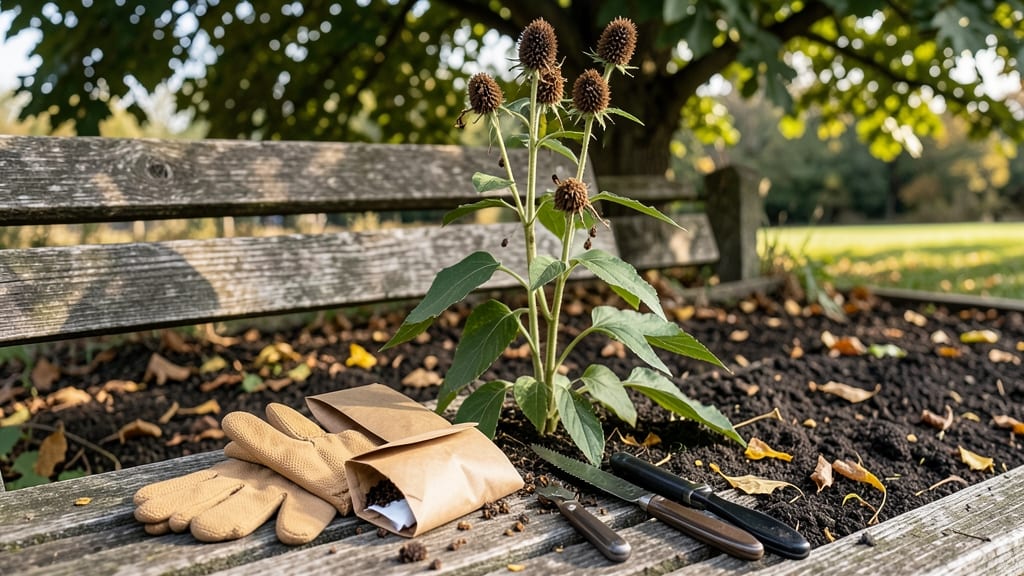
Rudbeckia seed collection is like harvesting free sunflowers for next year—except these cheerful blooms come back even hardier. 🌻 The secret lies in timing: wait until the seed heads turn brown and papery, then snip them before they scatter. I’ve saved seeds from my black-eyed Susans for five seasons now, and the plants always return stronger.
You only need a pair of scissors and a paper bag—no fancy tools required. Cut the dried seed heads when they’re crispy to the touch, then let them dry completely indoors for a week.
This method keeps seeds viable for 2-3 years if stored in a cool, dark place. The best part? You’ll have fresh rudbeckia blooms without buying a single seed packet.
Once dried, gently rub the seed heads to release the seeds, then store them in an envelope labeled with the variety and year. These seeds love full sun and well-draining soil, so you’ll get bold, reliable blooms every season with minimal effort.
No more guessing what will grow—just replant your favorites.
Perfect for gardeners who want to save money, reduce waste, and ensure their favorite flowers return year after year. Here’s how to do it without the fuss—your future garden will thank you.
📚 In This Guide
- What you need
- Instructions
- Tips and common mistakes
- Wrapping up and next steps
What you need
- ● Ripe rudbeckia flowers (preferably Rudbeckia hirta or Rudbeckia fulgida—look for dried, brown seed heads with papery petals that have fallen away).
- ● Pruning shears or sharp scissors (sterilized to avoid spreading disease).
- ● Paper bags or breathable seed-saving envelopes (1–2 per plant, labeled with the rudbeckia variety and date).
- ● Permanent marker or labels (for tagging bags/envelopes).
- ● Newspaper or cardboard (for drying seeds indoors).
- ● Fine-mesh strainer or sieve (to separate seeds from chaff).
- ● Gloves (to protect hands from prickly stems or dirt).
- ● Twine or rubber bands (to secure seed heads before drying).
- ● Desiccant packets (for long-term seed storage).
- ● Digital scale (to monitor seed moisture content, if storing long-term).
- ● Camera or notebook (to document seed varieties for future reference).
Step-by-Step instructions for collecting rudbeckia seeds
Here’s how to save seeds from your rudbeckia blooms without missing a single pod.
🌿 Step 1: Wait for Seed Heads to Mature Fully
Leave the spent blooms on the plant until their centers turn from green to a deep, papery brown. This usually takes 6-8 weeks after flowering, depending on your climate. You’ll know they’re ready when the petals drop away completely, leaving just the dry, spiky seed heads.
Don’t rush this step—immature pods release seeds too early, and they won’t store well. If you’re in a humid area, check daily after the petals fall, as seed heads can dry quickly and burst open unexpectedly.
✂️ Step 2: Harvest Seed Heads at the Right Time
Cut the seed heads with 4-6 inches of stem attached when they’re fully brown and dry to the touch. Use clean, sharp scissors or pruners to avoid crushing the pods. Place them in a paper bag or envelope immediately—this prevents seeds from scattering and keeps them dry.
Harvest on a dry, sunny day. If you collect after rain or in damp conditions, the seed heads may mold before drying properly. I like to harvest in the morning, when humidity is lowest.
🪴 Step 3: Dry the Seed Heads Thoroughly
Spread the harvested seed heads in a single layer on a clean, dry surface in a well-ventilated area. Avoid direct sunlight, which can overheat and damage the seeds. Let them dry for 1-2 weeks until the pods crumble easily when touched.
Check daily for any pods that open prematurely. If you see seeds spilling out, transfer those pods to a separate envelope right away. Once fully dry, gently rub the seed heads between your hands or a clean cloth to release the seeds.
⏰ Step 4: Store Seeds Properly for Next Season
Place the collected seeds in a labeled paper envelope or airtight container. Store them in a cool, dark place—like a pantry or refrigerator—where they’ll stay viable for 2-3 years. Label each envelope with the variety and harvest date to avoid confusion.
Rudbeckia seeds are non-fussy, but proper storage prevents moisture and pests from ruining your harvest. If you’re saving seeds for long-term use, consider adding a silica gel packet to the container to absorb any lingering dampness.
🌱 Step 5: Clean and Prepare Seeds for Planting
Before sowing, remove any debris or chaff by sifting the seeds through a fine mesh screen. This ensures only clean, viable seeds make it to your planting mix. Rudbeckia seeds are small but easy to handle—just take your time to avoid losing any.
You can plant them directly in the garden or start them indoors. If starting indoors, sow them ¼ inch deep in well-draining soil and keep them moist until germination, which typically takes 10-21 days. Thin seedlings to 12-18 inches apart for strong, healthy plants.
Tips & tricks for perfect rudbeckia seed collection
These simple strategies will help you maximize your seed yield while avoiding common pitfalls in the process.
Timing Secret: In Step 1, when waiting for those 6-8 weeks of maturity, I've found that checking seed heads every 3-4 days after petals drop prevents seed loss. Humid climates can cause pods to burst open in as little as 24 hours once they're ready—so don't wait until the last minute! The key is to watch for that papery brown transformation rather than relying solely on the timeframe.
Harvesting Technique: For Step 2, I recommend using a pair of small, sharp scissors rather than your hands to avoid accidentally crushing the delicate pods. When placing them in paper bags, leave them open slightly at first—this prevents condensation buildup that could lead to mold. I also like to harvest when the stems are still slightly damp with morning dew, as this helps prevent the seeds from scattering during collection.
Drying Strategy: During the 1-2 week drying period in Step 3, I've discovered that placing seed heads on a wire cooling rack over a baking sheet works wonders. This allows air to circulate from all sides while keeping them off any potentially damp surfaces. If you notice any pods opening prematurely, transfer just those pods to a separate envelope—they'll release seeds more quickly and need immediate attention.
Pro Tips for Rudbeckia Seed Collection
- These simple strategies will help you maximize your seed yield while avoiding common pitfalls in the process.
- Timing Secret: In Step 1, when waiting for those 6-8 weeks of maturity, I've found that checking seed heads every 3-4...
- Harvesting Technique: For Step 2, I recommend using a pair of small, sharp scissors rather than your hands to avoid a...
Frequently asked questions
Got questions about collecting rudbeckia seeds?
You’re not alone! Here are the answers to the most common queries—so you can harvest like a pro and save those golden blooms for next season.
When is the best time to collect rudbeckia seeds?
Harvest rudbeckia seeds after the flower heads turn brown and dry but before they release seeds naturally. Typically, this happens in late summer to early fall (August–October, depending on your climate). Wait until the seed pods are crispy to the touch but haven’t split open.
How long does it take for rudbeckia seeds to mature?
Seed maturity varies, but rudbeckia seeds usually take 4–8 weeks to fully dry after flowering. If you’re in a warm climate, this process may happen faster—keep an eye on the flower heads! Patience is key; harvesting too early means seeds won’t germinate.
Can I collect seeds from rudbeckia plants that haven’t bloomed?
Nope! Rudbeckia seeds only form after the plant flowers and produces seed heads. If a plant hasn’t bloomed, it won’t yield seeds. Focus on mature plants with fully opened flowers that have transitioned to dry, brown seed pods.
What if birds or squirrels eat my rudbeckia seeds before I can collect them?
This happens more often than you’d think! To outsmart wildlife, harvest seeds early in the morning or cover seed heads with breathable mesh bags (like onion bags) once they dry. Alternatively, grow rudbeckia in a less accessible spot, like a raised bed or near a fence.
Do rudbeckia seeds need special storage?
Store seeds in a cool, dry place (like a paper envelope or airtight container) in a dark cupboard. They’ll stay viable for 1–2 years if kept dry. Label them with the collection date to track freshness—no fancy equipment needed!
Pro Tip:
If you’re short on time, cut the entire seed head (about 6 inches of stem) and hang it upside down in a dry, shaded spot. The seeds will naturally release into a container below—effortless and mess-free!
Wrapping up and next steps
Collecting rudbeckia seeds is a rewarding way to embrace sustainability and grow your garden for free! 🌱 With just a few simple steps—like timing your harvest, drying the pods, and storing seeds properly—you’ll unlock a zero-waste treasure trove for next season.
Now that you’re armed with the know-how, why not grab a pair of scissors and start your own seed-saving adventure today? Share your harvest with fellow gardeners or plant a new batch of rudbeckias to brighten up your outdoor space!