
Propagation
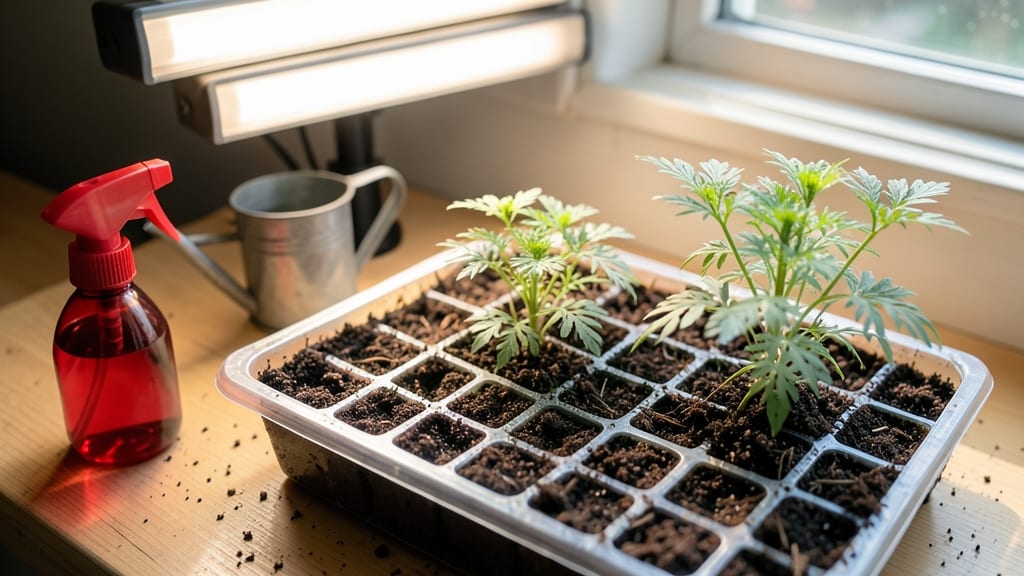
Starting cosmos seeds indoors guarantees those dreamy, airy blooms by midsummer—no matter how many times you’ve watched them bolt in the heat. 🌻 I’ve learned the hard way that cosmos seeds need patience and just the right conditions to break their stubborn little shells, but once they do, they grow like weeds (in the good way).
The secret lies in mimicking their native dry, sunny meadows while keeping them cozy enough to sprout.
You’ll need a shallow tray, well-draining potting mix, and a sunny windowsill or grow light—no fancy equipment required. Cosmos seeds are tiny, so don’t overthink planting depth: a light press into damp soil, about ¼ inch deep, is all they need.
Keep the soil consistently moist (not soggy) and warm, around 70°F, and you’ll see those first green hooks in 7-14 days. The real magic happens when you transplant them outdoors after the last frost, where they’ll reward you with 3-4 feet of lush stems by summer.
What you end up with is a cloud of delicate blooms that attract butterflies all season long—vibrant pinks, whites, and deep reds that outshine anything from a store-bought bouquet. The best part? Cosmos self-seed like crazy, so you’ll have volunteers popping up next year without any effort.
Just avoid overcrowding seedlings, or you’ll end up with leggy stems instead of those sturdy, blooming stalks you’re after.
This method works for both dwarf cosmos (perfect for containers) and tall varieties (ideal for cutting gardens). Whether you’re a first-timer or a seasoned gardener looking to fill gaps in your flower beds, cosmos are the foolproof annual that always delivers. Let’s get those seeds sprouting!
📚 In This Guide
- What you need
- Instructions
- Tips and common mistakes
- Wrapping up and next steps
What you need
- ● Cosmos seeds – 10-20 seeds (opt for heirloom or organic if possible for best results).
- ● Seed-starting trays or small pots – 4-6 inches deep with drainage holes (biodegradable pots work great!).
- ● High-quality seed-starting mix – Lightweight, sterile, and well-draining (avoid garden soil—it’s too dense!).
- ● Grow lights or a sunny windowsill – 12-16 hours of light daily (south-facing windows or LED grow lights are ideal).
- ● Spray bottle – For gentle watering (avoid over-saturating the soil!).
- ● Plastic wrap or humidity dome – To create a mini greenhouse effect while seeds germinate.
- ○ Heat mat (optional but helpful) – 70-75°F speeds up germination (cosmos seeds love warmth!).
- ● Small hand trowel or spoon – For planting seeds at the right depth (¼ inch deep).
- ● Labels and marker – To track varieties and planting dates (trust us, it helps!).
- ● Fertilizer (balanced, water-soluble) – Diluted to half-strength once seedlings sprout their first true leaves.
- ○ Fans (optional) – For gentle airflow to strengthen seedlings (prevents leggy growth!).
- ● Transplanting tool – Like a small fork or spoon, for moving seedlings outdoors later.
Step-by-Step instructions for starting cosmos seeds indoors
Cosmos seeds germinate easily—here’s how to get them sprouting strong and ready for transplant.
🌱 Step 1: Prepare Your Containers and Soil Mix
Use clean, 2-3 inch deep containers with drainage holes—cosmos seeds hate soggy roots. I like biodegradable pots because they eliminate transplant shock later. Fill them with a lightweight seed-starting mix (never garden soil—it’s too dense). Moisten the mix until it feels like a damp sponge, not dripping.
Press the soil down gently to remove air pockets but don’t compact it. The goal is a fine, crumbly texture that lets roots grow freely. If your mix feels gritty, add a handful of perlite to improve drainage. Cosmos seeds are tiny, so I sprinkle them directly onto the soil surface—no need to bury them.
💧 Step 2: Sow Seeds and Maintain Moisture
Scatter 4-5 seeds per container (cosmos germinates quickly, and you’ll thin later). Press them lightly into the soil surface—just enough to make contact. Mist the area with a spray bottle until the soil looks evenly damp. A heavy watering can will wash seeds away or bury them too deep.
Cover the container with a clear plastic dome or plastic wrap to retain warmth and humidity. Place it in a warm spot (70-75°F)—a seedling heat mat speeds germination if your home runs cooler. Check daily but resist watering again until the soil surface feels dry to the touch. Germination takes 7-14 days, with most sprouts appearing within 10 days.
☀️ Step 3: Provide Light and Prevent Legginess
The moment seedlings emerge, remove the plastic cover immediately—trapped moisture invites damping-off disease. Place them under grow lights (14-16 hours daily) or in the brightest window (south-facing). Cosmos seedlings stretch toward light if they’re too far away, so keep lights 2-3 inches above the plants and raise them as they grow.
You’ll know light is sufficient when seedlings have bold green leaves and compact stems (no long, weak internodes). If they look pale or bend toward the light, move them closer. Avoid cold drafts—cosmos seedlings wilt easily in temperatures below 55°F.
✂️ Step 4: Thin and Harden Off Seedlings
Once seedlings have 2-3 true leaves (not just the initial cotyledons), thin to the strongest 2 per pot using scissors. Pulling weak seedlings can disturb the roots of the ones you’re keeping. Water gently after thinning to settle the soil around remaining plants.
Two weeks before your last frost, start hardening off seedlings. Place them outside in partial shade for 1-2 hours the first day, gradually increasing time over 10-14 days. Cosmos thrive in cooler weather, so they handle transplanting well. By the time they’re ready for the garden, they’ll be 4-6 inches tall with sturdy stems.
🪴 Step 5: Transplant to the Garden
Choose a sunny spot with well-draining soil—cosmos tolerate poor soil but bloom best with 6+ hours of sun. Space seedlings 12-18 inches apart (closer for shorter varieties). Water deeply at transplanting to help roots establish. Mulch lightly with 1-2 inches of straw to retain moisture and suppress weeds.
Cosmos self-seed prolifically, so you’ll likely have volunteer plants next year. Deadhead spent blooms to encourage more flowers, but leave some for seeds if you want to save them. With proper light and spacing, your cosmos will reward you with vibrant blooms in 60-70 days.
Tips & tricks for perfect cosmos seed starting
Here's what I learned after raising dozens of cosmos batches—these tricks make all the difference between weak seedlings and thriving plants.
Soil Texture Secret: In Step 1, when mixing your lightweight seed-starting mix, add a pinch of cinnamon (about 1/4 teaspoon per container) to prevent damping-off disease. The natural antifungal properties give your tiny seeds an extra layer of protection during germination. This is especially helpful if your home has cool, damp conditions—cosmos seeds are sensitive to fungal issues right from the start.
Temperature Matters: During Step 2, if your home stays below 70°F, invest in a small seedling heat mat ($15-$20) to maintain that ideal 70-75°F range. I've seen germination rates drop by 40% when seeds sit in cooler conditions. Place the mat under your containers and monitor with a thermometer—consistent warmth is key for those first critical days when seeds need to break dormancy.
Lighting Game-Changer: For Step 3, if you don't have grow lights, position your seedlings on a bookshelf near a south-facing window. Rotate the containers 180 degrees daily to prevent leaning. I've noticed that even with 14-16 hours of light, seedlings grown near windows often develop stronger stems than those under artificial lights alone—just make sure the glass doesn't create cold drafts below 55°F.
Thinning Strategy: When thinning in Step 4, use a pair of clean, sharp scissors to cut seedlings at soil level rather than pulling. This reduces disturbance to remaining roots and prevents soil compaction. I've found that seedlings thinned this way recover faster and show less transplant shock later. Water immediately after thinning to help settle the soil around the remaining plants.
Pro Tips for Cosmos Seed Starting
- Here's what I learned after raising dozens of cosmos batches—these tricks make all the difference between weak seedli...
- Soil Texture Secret: In Step 1, when mixing your lightweight seed-starting mix, add a pinch of cinnamon (about 1/4 te...
- Temperature Matters: During Step 2, if your home stays below 70°F, invest in a small seedling heat mat ($15-$20) to m...
Frequently asked questions
Got questions about starting cosmos seeds indoors? You’re not alone! Here are some of the most common queries—plus clear, actionable answers to help you grow vibrant cosmos blooms with confidence.
How long does it take for cosmos seeds to germinate indoors?
Cosmos seeds typically sprout in 7–14 days when kept in warm (70–75°F), moist conditions. If your seeds haven’t sprouted after 2 weeks, gently check for moisture—damp (not soggy) soil is key. Patience pays off!
Can I start cosmos seeds too early indoors?
Yes, but timing matters! Start seeds 4–6 weeks before your last frost date to avoid overcrowding. Cosmos grow fast, so don’t rush—wait until you have enough space for transplanting. A sunny windowsill or grow light keeps them happy until outdoor temps warm up. →
What if my cosmos seeds rot instead of sprouting?
Overwatering or poor drainage is the usual culprit. Use a well-draining seed-starting mix and water only when the top inch feels dry. If seeds rot, try again with fresh, sterile soil and a spray bottle for gentle hydration. Pro tip: Bottom-watering (placing trays in water) reduces soggy soil risks.
Do cosmos seeds need light to germinate?
Nope! Cosmos seeds don’t require light to sprout—just warmth and moisture. Once they’ve germinated (tiny sprouts appear), move them to a bright spot (6+ hours of light daily) or under grow lights to prevent leggy seedlings. A sunny windowsill works in a pinch!
Can I direct-sow cosmos seeds instead of starting indoors?
Cosmos thrive with direct sowing after the last frost when soil is warm (60°F+). Scatter seeds lightly on top of soil—they need light to germinate. Thin seedlings to 12–18 inches apart for optimal airflow and blooms. Perfect for gardeners short on space or time!
Wrapping up and next steps
Starting cosmos seeds indoors is a rewarding journey that brings vibrant blooms to your garden with minimal fuss!
With the right setup—like quality seeds, cozy warmth, and gentle light—you’ll be well on your way to a flourishing cosmos patch. Don’t let a few setbacks discourage you; even the greenest thumbs can grow these resilient beauties.
Ready to take the next step? Once your seedlings sprout their first true leaves, transplant them outdoors after the last frost—your garden will thank you with a dazzling display of pink, white, or crimson cosmos! 🌸