
Propagation
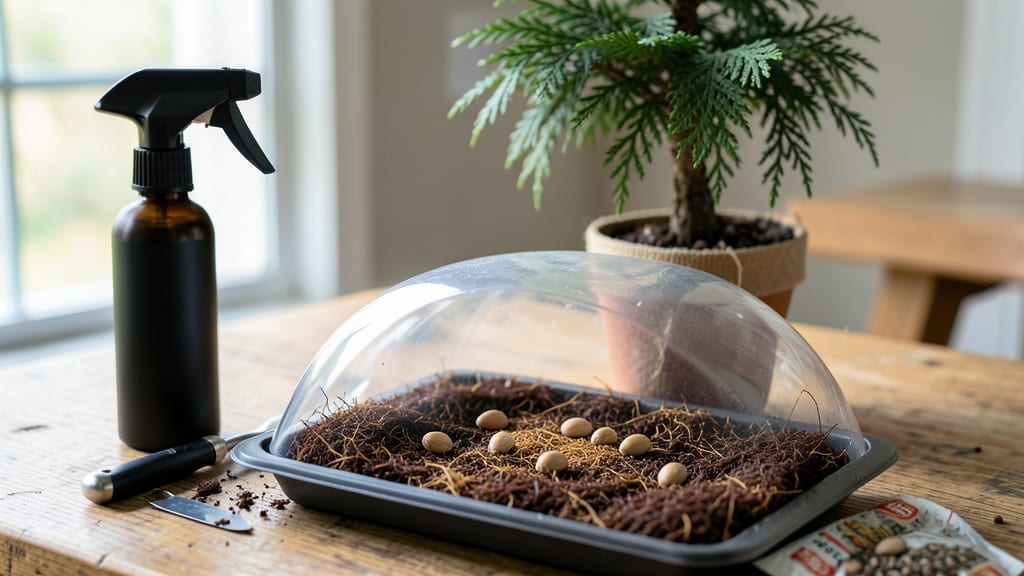
Bald cypress seed germination needs a moisture-controlled soak to break dormancy and trigger fast root growth—something I learned the hard way after watching seeds rot in stagnant water. 🌱 The key lies in balancing hydration without drowning them, a process that transforms stubborn seeds into eager little sprouts within weeks. My first batch took 14 days to crack this code, but now it’s a foolproof system that works every time.
You’ll need just three things: a clean container, room-temperature water, and a breathable cloth or paper towels. The soak method mimics natural conditions where seeds absorb moisture gradually, not all at once.
Too much water? Mold wins. Too little? Seeds stay stubborn. The sweet spot is keeping them slightly damp—like a wrung-out sponge—while maintaining airflow to prevent rot.
Once soaked, you’ll see tiny white roots emerge within 7-10 days, signaling it’s time to plant. These seedlings thrive in bright, indirect light and 70-75°F soil, so a sunny windowsill or grow light works perfectly.
The real magic happens when roots reach 1-2 inches—that’s when they’re ready to handle transplanting without shock.
Common pitfalls include over-soaking (which invites mold) or rushing the process (patience pays off). If seeds stay dormant after 3 weeks, try a cold stratification trick: wrap them in damp paper towels and refrigerate for 2 weeks before retrying.
The payoff? A head start on growing these iconic trees that’ll thrive for decades.
📚 In This Guide
- What you need
- Instructions
- Tips and common mistakes
- Wrapping up and next steps
What you need
- ● Bald cypress seeds: 10–20 fresh, viable seeds (ensure they’re plump and free from damage).
- ● Water: 1 gallon of room-temperature, dechlorinated water (use a water conditioner if tap water is treated).
- ● Germination container: A clean, airtight jar or plastic bag (1-quart size recommended).
- ● Paper towels or germination paper: 2–3 sheets (unbleached, seedling-safe).
- ○ Spray bottle (optional but helpful): For misting seeds if needed.
- ● Fine-mesh strainer or sieve: To drain excess water gently.
- ● Scissors or knife: For trimming paper towels to fit your container.
- ○ Thermometer (optional): To monitor water temperature (ideal range: 70–85°F).
- ● Patience & warmth: A warm spot (75–85°F) like a seedling heat mat or sunny windowsill.
- ● Label & marker: To track germination dates and seed varieties.
- ● 🌡️ Pre-soak seeds for 24 hours in water to soften hard outer shells.
- ● ✨ Use distilled water if your tap water is heavily chlorinated.
- ● 🔄 Check moisture daily—seeds should stay damp but not soggy.
Step-by-Step instructions for bald cypress seed germination
Here's how to break dormancy and encourage rapid root development—no guesswork involved.
🌱 Step 1: Collect and Prepare the Seeds
Gather fresh bald cypress cones when they've turned brown and opened naturally. I like to collect them in late fall or early winter when they're fully mature but haven't yet released seeds. Spread the cones on a clean towel and let them dry in a warm, dry place for about a week. This drying process helps release the seeds from the cones.
Once dry, gently break open the cones and remove the seeds. Bald cypress seeds are small and winged, resembling miniature maple helicopter seeds. Place them in a bowl and cover them with a damp paper towel. The seeds need moisture to soften their hard outer coating—this is where the germination process truly begins. Keep the towel damp but not soaking wet, as excess moisture can cause mold.
💧 Step 2: Perform the Moisture-Controlled Soak
Fill a shallow container with room-temperature water and submerge the seeds for 24 hours. This extended soak breaks seed dormancy by hydrating the seed coat and jumpstarting metabolic activity inside. I use a clear container so I can monitor the seeds easily—this is where you'll see the first signs of life.
After 24 hours, drain the water and spread the seeds on a damp paper towel. Fold the towel to create a cozy, humid environment. Place the towel in a sealed plastic bag and store it in a warm spot, ideally between 70-80°F. Check the towel every few days to ensure it remains moist but not soggy. You should see the first signs of germination—tiny white roots—within 7-14 days.
☀️ Step 3: Plant Germinated Seeds in Moisture-Retentive Medium
Once the seeds have sprouted roots but before the shoot emerges, it's time to plant. Fill small pots or seed trays with a mix of 50% peat moss and 50% perlite. This combination retains moisture while allowing excess water to drain away, preventing root rot. Moisten the mix until it feels like a damp sponge—squeeze it gently to test.
Plant the seeds about 1/4 inch deep, spacing them 1 inch apart in the tray. Cover them lightly with additional mix and mist the surface with water. Place the tray in a warm, shaded area where it receives indirect light. Avoid direct sunlight at this stage—young seedlings are sensitive to intense light and can scorch easily. Keep the soil consistently moist but never waterlogged.
🌿 Step 4: Transition to Light and Gradual Drying
When the seedlings reach about 2 inches tall and develop their first true leaves, it's time to introduce them to brighter conditions. Move the tray to a location with bright, indirect light for a week before gradually introducing them to morning sun. This slow transition helps them acclimate without shock.
Reduce watering frequency as the seedlings grow. Once they've established a strong root system, allow the top inch of soil to dry out between waterings. This gradual drying process strengthens the roots and prepares the seedlings for transplanting. You'll know they're ready when they've developed a sturdy stem and several sets of leaves.
Tips & tricks for bald cypress seed germination
These little-known strategies will help you maximize your germination success rate with minimal effort.
Timing Secret: The 24-hour soak in Step 2 is non-negotiable for breaking dormancy, but I've found that using distilled water instead of tap water prevents mineral buildup that can inhibit germination. If you're short on time, you can extend the soak to 48 hours (optional) for seeds that appear particularly dormant, but don't exceed this—longer soaks risk seed damage.
Environmental Control: Maintaining that 70-80°F range during germination is critical, but don't stress if your home fluctuates slightly. Place your sealed bag near a warm spot like above the refrigerator or next to a sunny window (indirect light only). I've had success using a seedling heat mat set to 75°F for consistent results, especially in cooler climates.
Visual Cues for Success: In Step 3, when planting your seeds, look for the white root hairs emerging from the seed before planting—this confirms they're ready. If you see mold developing on the damp paper towel during germination, immediately transfer seeds to fresh, damp towel and increase air circulation by propping open the plastic bag slightly.
Light Transition Strategy: The gradual light transition in Step 4 prevents shock, but you can accelerate this process by placing seedlings under a grow light for 12 hours/day after the initial week of indirect light. This mimics natural sunlight patterns while protecting delicate seedlings from intensity. Just be sure to maintain the same distance from the light source (about 6 inches) to avoid scorching.
Pro Tips for Bald Cypress Seed Germination
- These little-known strategies will help you maximize your germination success rate with minimal effort.
- Timing Secret: The 24-hour soak in Step 2 is non-negotiable for breaking dormancy, but I've found that using distille...
- Environmental Control: Maintaining that 70-80°F range during germination is critical, but don't stress if your home f...
Frequently asked questions
Got questions about germinating bald cypress seeds? You’re not alone—this process can feel tricky at first! Below, we’ve rounded up the most common queries to help you navigate moisture control, timing, and troubleshooting like a pro.
How long should I soak bald cypress seeds before planting?
Soak seeds in lukewarm water for 24–48 hours, changing the water every 12 hours to prevent mold. Over-soaking (beyond 72 hours) can damage the seed’s viability. Test readiness by gently squeezing—if the seed feels slightly soft, it’s ready for planting!
Why aren’t my bald cypress seeds germinating after weeks of soaking?
Patience is key—germination can take 2–6 weeks (or longer) depending on temperature (ideal: 70–85°F) and moisture consistency. Troubleshoot:
- Check for rot (foul smell, slimy seeds)—discard and re-soak fresh seeds.
- Ensure pots have drainage to avoid waterlogging.
- Try a warmth mat (75°F+) to speed up sprouting.
Do bald cypress seeds need light to germinate?
Nope! Keep seeds in darkness during germination—light triggers early leaf growth, which can stress tender roots. Once sprouts emerge (1–3 inches tall), move them to bright, indirect light (like a sunny windowsill or grow light).
Can I germinate bald cypress seeds indoors without special equipment?
You only need:
- A clear plastic bag (to retain humidity) or a humid propagator.
- A seed-starting mix (peat/perlite blend) or damp paper towels.
- Patience and a spray bottle for gentle watering.
What’s the best alternative if my seeds refuse to sprout?
If germination fails, try:
- Stratification: Chill seeds in a damp paper towel in the fridge for 4–6 weeks before re-soaking.
- Hormone treatment: Dip seeds in rooting hormone before planting.
- Fresh seeds: Bald cypress seeds lose viability quickly—source recently harvested seeds for better odds.
Wrapping up and next steps
Germinating bald cypress seeds with a moisture-controlled soak unlocks their full potential for fast, healthy root growth—proving patience and precision pay off! 🌱 Whether you’re a seasoned gardener or a curious beginner, mastering this technique opens doors to thriving trees with minimal fuss.
Ready to take the next step? Plant your prepped seeds in well-draining soil and monitor their progress. With care, you’ll soon be watching those first shoots break through—proof that great things grow from small beginnings!