
Lawn
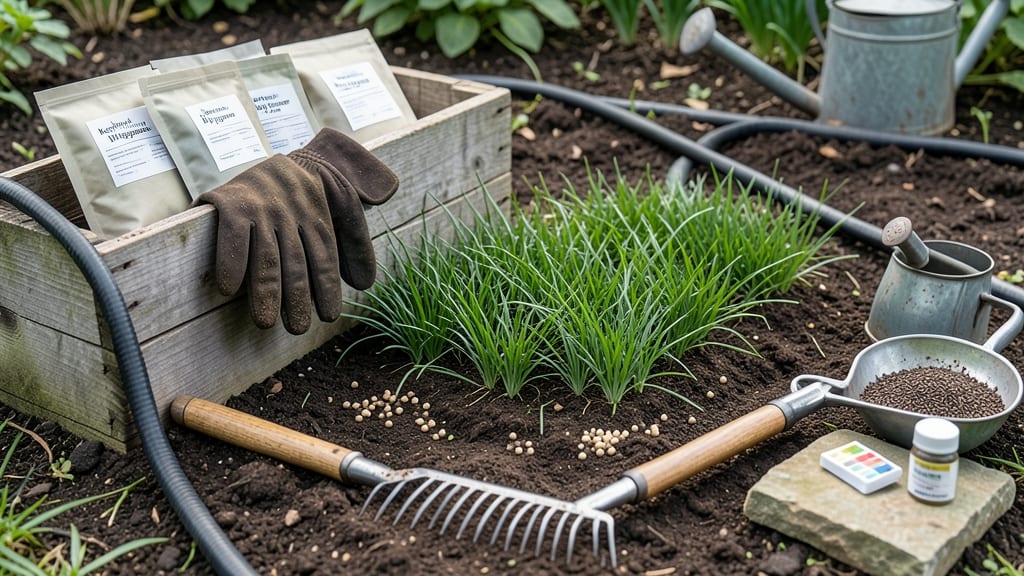
Fall is the perfect time to seed grass when soil stays above 60°F but nights dip below 70°F—that sweet spot gives seedlings time to root before winter. 🌱 I learned this the hard way after seeding in late spring and watching my lawn struggle through summer heat.
The cooler fall air means less watering, fewer weeds, and stronger roots that wake up ready to grow in spring. Most northern regions nail this in late August to early October, while southern areas can seed until November. Test your soil first—it should be moist but not soggy.
A simple rake pass and light topsoil mix creates the ideal bed for seeds to snuggle into without smothering. You’ll see thick, uniform growth by spring if you keep seeds moist for the first 10-14 days (no need for fancy sprinklers—just a light misting).
The key is patience: roots establish deep before winter, so you skip the patchy, weak lawns that come from spring seeding. This method works for cool-season grasses like fescue and ryegrass, and even warm-season grasses in mild climates. Here’s how to time it right for your zone—no guesswork, just results.
📚 In This Guide
- What you need
- Instructions
- Tips and common mistakes
- Wrapping up and next steps
What you need
- ● Grass seed: Choose a high-quality, cool-season blend (e.g., tall fescue, Kentucky bluegrass, or perennial ryegrass) tailored to your climate. Aim for 4–8 lbs per 1,000 sq ft, depending on seed type and desired density.
- ● Lawn mower: Set blades to 1–2 inches to avoid scalping the lawn before seeding.
- ● Rake: A garden rake (for loosening soil) and a bow rake (for smoothing seed beds).
- ● Soil tester kit: Check pH (ideal: 6.0–7.0) and amend if needed (lime to raise, sulfur to lower).
- ● Compost or topsoil: ¼–½ inch layer to improve soil texture and fertility.
- ● Starter fertilizer: Low-nitrogen, high-phosphorus formula (e.g., 10-20-10 ratio) to promote root growth. Apply ½ lb per 1,000 sq ft.
- ● Water source: Garden hose with a spray nozzle or sprinkler for gentle, even watering.
- ● Seed spreader: Broadcast or drop spreader for even distribution (manual or walk-behind models work).
- ● Soil conditioner: Products like peat moss or coco coir to improve moisture retention.
- ● Erosion control blanket: For sloped areas to protect seeds until germination.
- ● Post-seeding mulch: Straw (not hay!) to retain moisture and shield seeds from birds.
- ● Weed barrier fabric: If overseeding an established lawn to block weeds.
Step-by-step guide to choosing the best fall window for grass seeding
Timing is everything—here’s how to nail the ideal fall window for lush, strong grass next spring.
🌱 Step 1: Identify Your Region’s Fall Planting Zone
Fall seeding works best when soil temperatures stay between 50-65°F—this gives seeds time to germinate but prevents winter dormancy too soon. In the Northern U.S. (Zones 3-5), aim for late August to mid-September. For the Southern U.S. (Zones 6-10), seed between mid-September and early November—closer to November in warmer climates.
Check your local frost dates: Seed 4-6 weeks before your first frost to allow germination but avoid winter freeze. I always double-check with my county extension office—they’ll confirm the perfect window based on recent weather patterns. If you’re unsure, err on the earlier side; cooler soil slows germination, and late fall seeds may not establish before winter.
☀️ Step 2: Pick the Right Weather Conditions
Wait for a stretch of 5-7 days with temperatures below 80°F and consistent moisture—no extreme heat or drought. The best time to seed is after a light rain or when your forecast predicts steady showers. If you’re seeding during dry weather, water deeply 2-3 times daily until the soil is 2 inches moist.
Watch for evening temperatures dropping below 60°F—this signals the soil is cooling enough for ideal germination. Avoid seeding if a hard freeze is forecast within 10 days; tender new grass won’t survive. I’ve learned the hard way that rushing into seeding too late leads to weak, patchy growth come spring.
💧 Step 3: Prepare the Soil for Seeding
Test your soil’s pH—6.0 to 7.0 is ideal for most grasses. If it’s too acidic or alkaline, amend it with lime or sulfur 4-6 weeks before seeding. Loosen the top 2-3 inches of soil with a rake or tilling tool, breaking up compacted areas. Remove any debris, rocks, or weeds that could block seed-to-soil contact.
Level the surface with a drag mat or rake, then lightly roll it to create a firm seedbed. This ensures seeds make good contact with the soil and stay in place during watering. Don’t overwork the soil—just enough to create a loose, crumbly texture. Here’s the thing: Smooth, firm soil = fewer bare spots and better germination.
⏰ Step 4: Seed and Water for Maximum Germination
Spread seeds evenly using a broadcast spreader or by hand—aim for 10-12 seeds per square inch for most grass types. Lightly rake the seeds into the soil, covering them with ¼ inch of fine soil or compost. This protects them from birds and wind while keeping them moist. Water immediately after seeding to settle the soil and seeds.
Keep the soil consistently moist (not soggy) for the first 2-3 weeks—water lightly 2-3 times daily if there’s no rain. You’ll see first green shoots in 7-14 days, depending on the grass type and weather. Once seedlings reach 2 inches tall, reduce watering to 1 inch per week to encourage deep root growth. Real talk: Overwatering now can drown seeds or cause disease, so check soil moisture daily.
🌿 Step 5: Monitor and Maintain Through Winter
After germination, avoid walking on the new grass for 4-6 weeks to prevent damage. If weeds sprout, pull them by hand—don’t use herbicides, which can harm young grass. In cold climates, apply a thin layer of straw mulch (¼ inch) to protect seeds and seedlings from frost heave. Remove the mulch in early spring once growth resumes.
By late fall, your grass should have established a strong root system—deep enough to survive winter. If you seeded early enough, you’ll see vigorous green growth in spring, with fewer weeds and gaps than spring-seeded lawns. Here’s the payoff: Patience in fall means a head start next season, and your lawn will outcompete weeds naturally.
Tips & tricks for perfect fall grass seeding timing
Avoid these common pitfalls—and you’ll get a lawn that’s the envy of the neighborhood next spring.
Soil Temperature is Your Best Friend: The 50-65°F window isn’t just a suggestion—it’s the sweet spot where seeds germinate fast enough to establish roots before winter sets in. I’ve seen too many people seed when soil’s still warm (above 65°F), and the grass bolts to seed too quickly, leaving you with weak, patchy growth. Use a soil thermometer to check—it’s the only way to be 100% sure you’re in that perfect zone. If your soil’s running hot, wait it out.
Frost Date Math is Non-Negotiable: That 4-6 week window before your first frost isn’t flexible! I once seeded just 3 weeks before a hard freeze, and my grass barely had time to sprout before winter killed it. Check your local frost dates and count backward—this is your hard deadline. Pro tip: If you’re in a transitional zone (like Zone 5-6), err on the earlier side. Cooler nights slow germination, and you don’t want seeds sitting dormant for weeks.
Weather Watching is a Full-Time Job (Temporarily): Those 5-7 days below 80°F with consistent moisture? That’s your golden window. I track the weather like a hawk during fall seeding season—no joke. If you seed during a heatwave or drought, your seeds will dry out before they even sprout. Look for forecasts that predict steady showers or plan to water 2-3 times daily until the soil is 2 inches deep moist. And for heaven’s sake, avoid seeding if a hard freeze is forecast within 10 days—new grass won’t survive that.
Soil Prep Makes or Breaks Germination: That 2-3 inch soil loosening isn’t just about looks—it’s about giving seeds room to breathe. Compacted soil blocks moisture and oxygen, which means poor germination. I’ve seen people skip this step and end up with bare spots where seeds couldn’t make contact with the soil. After loosening, level the surface with a drag mat—this creates a firm seedbed that keeps seeds in place during watering. And here’s the thing: A smooth, firm surface = fewer bare spots and better germination rates.
Pro Tips for Best Time To Seed Grass In Fall
- Avoid these common pitfalls—and you’ll get a lawn that’s the envy of the neighborhood next spring.
- Soil Temperature is Your Best Friend: The 50-65°F window isn’t just a suggestion—it’s the sweet spot where seeds germ...
- Frost Date Math is Non-Negotiable: That 4-6 week window before your first frost isn’t flexible! I once seeded just 3 ...
Frequently asked questions
Got questions about seeding grass in the fall?
You’re not alone! Here are answers to the most common queries—so you can tackle your lawn project with confidence.
What’s the exact best time to seed grass in fall?
The sweet spot is 4–6 weeks before your first hard frost (typically late August to mid-October, depending on your climate zone). This gives seeds time to germinate and establish roots before winter slows growth. Check your local frost dates for precision!
Can I still seed grass if frost hits early?
Yes, but act fast! Seed before the first light frost—even if it’s late. Use a winter ryegrass mix for cold tolerance, and cover seeds with straw to insulate them. Just avoid seeding after hard frost, as roots won’t develop properly.
Is fall seeding cheaper than spring?
Often yes! Fewer pests (like chinch bugs) and milder weather mean lower costs for seed, water, and labor. Plus, fall-seeded lawns outperform spring starts by 20–30%—saving you money long-term on repairs and reseedings.
What if I missed fall? Can I seed in early spring?
Spring seeding is possible, but race against the clock. Seed as soon as soil reaches 50°F (10°C) and before summer heat arrives. Use shade-tolerant grass types (like fine fescue) and water daily to prevent drought stress. Expect slower growth than fall.
Will weeds take over if I seed late in the season?
Late seeding can invite weeds, but pre-emergent herbicides (applied before seeding) block weed seeds. After germination, hand-pull weeds early or spot-treat with vinegar-based sprays. A thick, healthy grass stand crowds out weeds naturally!
Pro Tip:
Test your soil’s pH (aim for 6.0–7.0) before seeding. Fall is the perfect time to amend soil with compost or lime—your grass will thank you next spring!
Wrapping up and next steps
Timing is everything when it comes to seeding grass in the fall—aim for late summer to early fall (around September to October) for the best results. This window allows seeds to germinate in warm soil while benefiting from cooler air, reducing weeds and drought stress.
With the right prep, seeds, and care, you’ll set your lawn up for lush, resilient growth by spring! 🌱
Ready to take the next step? Grab your supplies, mark your calendar, and get seeding—your future lawn will thank you!