
Lawn
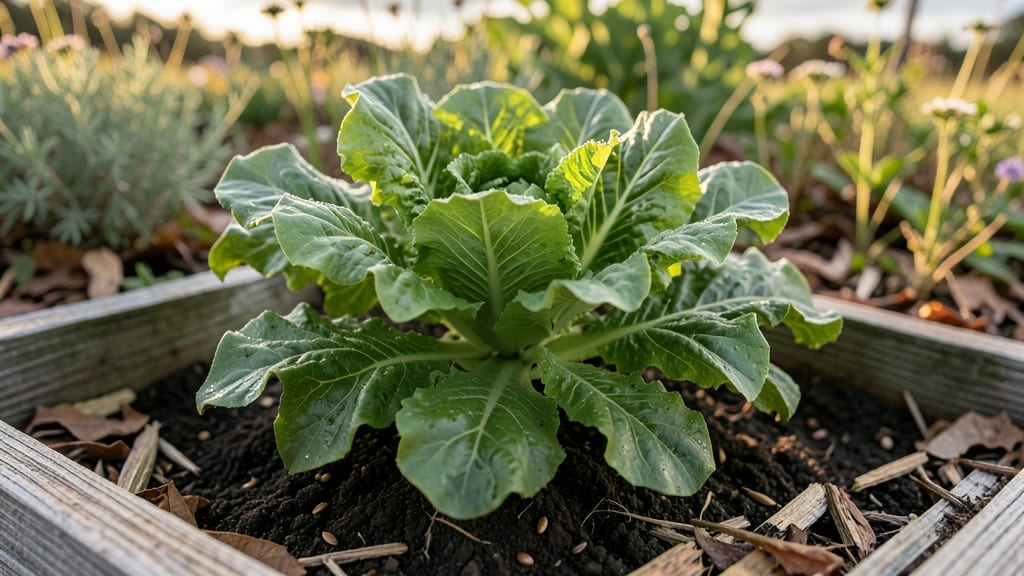
Growing Black Seed Simpson lettuce means you get crisp, flavorful leaves even when temperatures drop below freezing. 🌱 This cold-hardy variety has been my go-to for fall and spring harvests, producing sweet, dark green leaves that taste better than anything from the store.
The secret to its success lies in its ability to handle frost, making it perfect for gardeners in all zones who want fresh greens year-round.
Start with well-draining soil rich in organic matter—this variety thrives in cooler weather but still needs fertile ground to grow strong. Plant seeds directly in the garden after the last frost or transplant young seedlings spaced about 8-12 inches apart.
Black Seed Simpson prefers full sun to partial shade, so choose a spot that gets at least 4-6 hours of sunlight daily, especially in cooler climates where growth slows.
Keep the soil consistently moist but not soggy—lettuce roots need steady water to stay crisp. You’ll notice new leaves forming within 3-4 weeks, and with proper care, you can harvest continuously for months.
The flavor actually improves after light frost, making it one of the most rewarding varieties to grow.
Watch for slugs and aphids, which love tender lettuce leaves, but this variety is generally disease-resistant. If pests become an issue, handpick them or use organic sprays early in the season.
With minimal effort, you’ll enjoy a steady supply of fresh greens that outperform store-bought lettuce in both taste and texture.
📚 In This Guide
- What you need
- Instructions
- Tips and common mistakes
- Wrapping up and next steps
What you need
- ● Seeds: 1 packet (50-100 seeds) of Black Seed Simpson Lettuce (open-pollinated, heirloom variety)
- ● Growing Space: Container: 12-inch deep pots (2-3 plants per pot) or
- ● Garden Bed: 6-inch deep soil, 12-18 inches apart in rows (for direct sowing)
- ● Soil: Well-draining, nutrient-rich potting mix or garden soil (pH 6.0-7.0)
- ● Fertilizer: Balanced organic fertilizer (5-5-5 or 10-10-10) or compost
- ● Watering Tools: Watering can with a fine rose nozzle or drip irrigation system
- ● Mulch: Straw or shredded leaves (to retain moisture and suppress weeds)
- ● Seedling trays (for indoor starts)
- ● Garden gloves (for easy handling)
- ● Row cover or shade cloth (to protect from pests or harsh sun)
- ● Pruning shears (for harvesting outer leaves)
- ● pH testing kit (to monitor soil acidity)
Step-by-Step instructions for growing Black Seed Simpson lettuce
This cold-hardy variety grows beautifully in all zones with minimal fuss—here’s how to get the best harvest.
🌱 Step 1: Choose the Right Planting Time and Location
Black Seed Simpson thrives in cool weather, so plant it 4-6 weeks before your last frost in spring or 6-8 weeks before your first frost in fall. This gives the leaves time to mature before summer heat stresses them. A spot with partial shade (4-6 hours of morning sun) works best in hotter zones, while cooler climates can handle full sun.
I always test soil moisture before planting—stick your finger 1 inch deep. If it feels dry, water the area lightly the day before. This variety tolerates clay soil well, but amending with compost improves flavor and texture. Avoid soggy spots; lettuce roots rot easily in waterlogged conditions.
🌱 Step 2: Prepare the Soil and Sow Seeds
Scatter seeds ¼ inch deep and 1 inch apart in rows spaced 12 inches apart. Black Seed Simpson germinates best in soil temperatures between 45-75°F, so avoid planting when soil is too hot. I like to sprinkle seeds directly into the garden—no need for transplanting, which can stress delicate seedlings.
Cover lightly with soil and mist the area gently with water until the surface is damp but not soaked. A fine mist prevents seeds from washing away. You’ll see sprouts in 7-14 days, depending on temperature. Thin seedlings to 6 inches apart once they’re 2 inches tall—this prevents overcrowding and encourages larger leaves.
💧 Step 3: Water Consistently and Protect from Pests
Keep the soil evenly moist but never soggy. Water deeply 1-2 times per week, aiming for 1 inch of water total each time. I water in the morning so leaves dry quickly, reducing fungal risks. Mulch with 1-2 inches of straw or grass clippings to retain moisture and suppress weeds—this is especially helpful in hot, dry spells.
Watch for slugs and aphids, which love young lettuce. I handpick slugs at night (they’re sluggish then) and spray aphids off with a strong stream of water. Neem oil works too, but apply it in the evening to avoid harming bees. Harvest outer leaves first to encourage regrowth and keep the plant productive.
✂️ Step 4: Harvest and Maintain for Continuous Yields
Start harvesting 4-6 weeks after sowing by cutting outer leaves at the base with clean scissors. This method encourages the plant to keep producing new growth. Black Seed Simpson has a slightly bitter taste when mature, so I harvest younger leaves for milder flavor. Leave the center leaves intact to keep the plant growing.
If your lettuce bolts (sends up a flower stalk) in early summer, pull it up and replant seeds in late summer for a fall crop. This variety is remarkably resilient—it often overwinters in mild climates, giving you greens well into winter. Just protect it with a row cover if frost threatens.
Tips & tricks for perfect Black Seed Simpson lettuce
Took me a while to figure these out, so here's how I ensure my Black Seed Simpson lettuce thrives every time.
Timing Secret: The 4-6 weeks before last frost window is non-negotiable for spring planting. I check my local frost dates online and mark the calendar—this variety won't tolerate summer heat well once established. For fall planting, I always aim for that 6-8 week window before first frost, giving the plants time to mature before cold sets in. The 7-14 day germination range means patience is key, especially if nights get chilly.
Soil Preparation Wisdom: I've learned the hard way that Black Seed Simpson hates soggy conditions. Before planting, I always dig in 2-3 inches of compost to improve drainage, even in clay soil. For the ¼-inch seed depth, I use a small trowel to make shallow furrows—this prevents seeds from being buried too deep. The 12-inch row spacing gives roots plenty of room to spread without competing for nutrients.
Pest Prevention Strategy: My biggest breakthrough was implementing the mulch strategy in Step 3. The 1-2 inches of straw I use creates a barrier that keeps slugs away while retaining moisture. I've found that applying neem oil in the evening (as mentioned) works best when combined with a light sprinkle of diatomaceous earth around the base—this two-pronged approach has nearly eliminated aphid problems in my garden.
Harvesting Technique: When harvesting those outer leaves at 4-6 weeks, I always use clean scissors and cut just above the base. This encourages regrowth while preventing damage to the center. I've noticed that harvesting in the morning gives me the crispest leaves—nighttime dew can make them limp. For the slightly bitter mature leaves, I simply harvest younger ones from the center first, leaving the older leaves to continue growing.
Pro Tips for Black Seed Simpson Lettuce
- Took me a while to figure these out, so here's how I ensure my Black Seed Simpson lettuce thrives every time.
- Timing Secret: The 4-6 weeks before last frost window is non-negotiable for spring planting. I check my local frost d...
- Soil Preparation Wisdom: I've learned the hard way that Black Seed Simpson hates soggy conditions. Before planting, I...
Frequently asked questions
What makes Black Seed Simpson lettuce different from other varieties?
Black Seed Simpson stands out for its cold-hardy nature, thriving in zones 3-10 without bolting in heat or freezing in winter. Its dark green, crinkled leaves also pack a nutty, slightly peppery flavor—more robust than butterhead or romaine. Plus, its self-seeding habit means it regenerates year after year with minimal effort!
Can I grow Black Seed Simpson in winter, and how do I protect it from frost?
This variety is one of the hardiest lettuces—it tolerates light frosts (down to 20°F/-7°C) and even tastes sweeter after a freeze. For extra protection, use row covers or cold frames in harsh winters. Mulch with straw to insulate roots, and avoid overhead watering before frost to prevent ice damage.
How long does it take to harvest, and when is the best time to pick?
You can start harvesting outer leaves in 45-50 days for baby greens, or wait 60-70 days for full heads. For the best flavor and tenderness, harvest in the morning after dew has dried but before the heat of the day. Use clean scissors to snip leaves—never pull from the base to encourage regrowth!
What can I do if my Black Seed Simpson lettuce bolts or turns bitter?
Bolting (premature flowering) usually happens due to heat stress or long daylight. To prevent it, plant in early spring or fall, use shade cloth (30-50%) in summer, and keep soil moist. If it turns bitter, it’s likely overmature—harvest younger leaves or try succession planting. No pesticides are needed; this variety resists most pests naturally!
Are there any good substitutes if I can’t find Black Seed Simpson?
If you’re after cold-hardy, peppery lettuce, try Winter Density or Arctic King varieties. For self-seeding traits, Poker or Tom Thumb lettuce are great alternatives. If you love the nutty flavor, oakleaf lettuce or arugula (like ‘Astro’) are close matches—just note they may bolt faster in heat.
Wrapping up and next steps
Black Seed Simpson lettuce is a game-changer for gardeners seeking a cold-hardy, flavorful, and low-maintenance option that thrives in nearly every growing zone. 🌱 Whether you're a seasoned gardener or just starting out, its resilience and delicious crunch make it a must-have in your garden. Now that you’re equipped with the materials, tips, and answers to common questions, it’s time to roll up your sleeves and plant!
Start small—try a few seeds in containers or directly in your garden bed—and watch your Black Seed Simpson lettuce flourish. Before you know it, you’ll be harvesting crisp, nutrient-packed leaves for salads, sandwiches, or even garden-fresh garnishes. Happy growing! 🌿