
Lawn
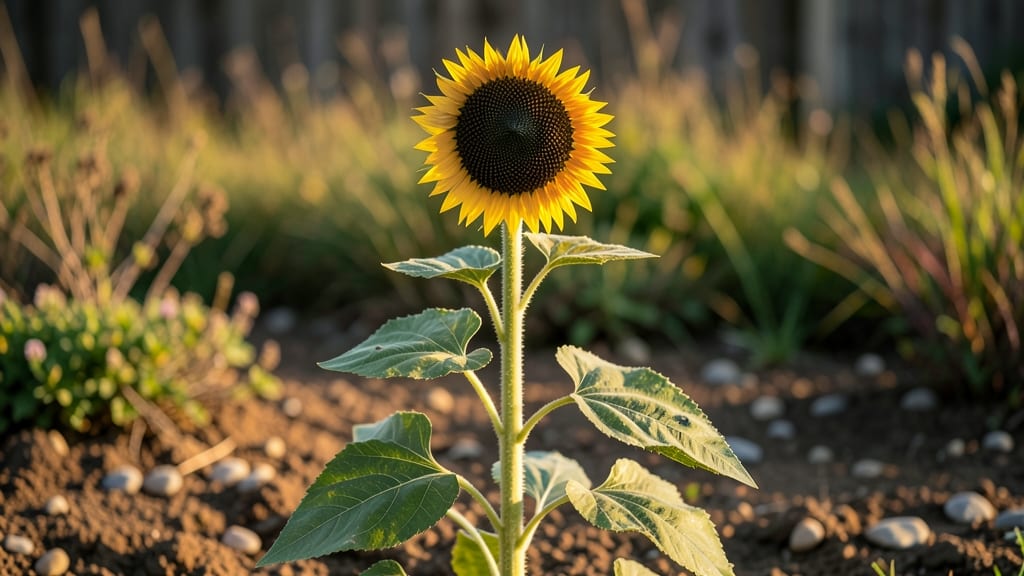
Growing black seed sunflowers means zero-fail germination if you time it right for your zone. 🌱 I’ve planted these dramatic, deep-purple sunflowers for years, and the secret to their success starts with soil temperature—not just the calendar.
These aren’t your average sunflowers; they’re hardy, drought-tolerant, and produce seeds that taste nutty when roasted, plus their striking blooms last weeks in bouquets.
The best time to plant depends on your last frost date: start seeds indoors 4-6 weeks before your final spring frost, or direct-sow them outside when soil reaches 55°F.
Black seed sunflowers thrive in full sun and well-draining soil, but they’re surprisingly adaptable—even my sandy, rocky soil produces strong stems. The key is depth: plant seeds 1 inch deep and space them 12-18 inches apart for those iconic, towering blooms.
By midsummer, you’ll watch them shoot up 6-10 feet tall with dark, velvety petals that catch every sunset. Water them deeply once a week (they hate soggy roots), and watch for squash bugs or powdery mildew—just treat early with neem oil if needed.
The payoff? Edible seeds, stunning cut flowers, and a garden that turns heads without fuss.
Works in zones 3-10, from deserts to cool climates, and even in containers if you choose dwarf varieties. Here’s how to nail every step—no black thumbs required.
📚 In This Guide
- What you need
- Instructions
- Tips and common mistakes
- Wrapping up and next steps
What you need
- ● Black seed sunflower seeds – 200–500 seeds (depending on desired plant density). Choose non-GMO, heirloom varieties for best results.
- ● Well-draining soil mix – A blend of 60% garden soil, 30% compost, and 10% perlite or sand for aeration.
- ● Containers or garden bed – 6-inch-deep pots (for seedlings) or a sunny, open garden spot with 6+ hours of sunlight daily.
- ● Watering can or hose with a gentle spray nozzle – Avoid overwatering to prevent seed rot.
- ● Plant labels – To track varieties and planting dates.
- ○ Fertilizer (optional but helpful) – A balanced 10-10-10 NPK fertilizer or compost tea for nutrient boost.
- ● Garden trowel or transplanting spade – For digging small holes (1–2 inches deep).
- ○ Gloves (optional) – To protect hands while handling soil or seeds.
- ● Hardiness zone knowledge – Verify your USDA zone (3–10) for optimal planting timing (see our guide for zone-specific tips!).
- ○ Mulch (optional) – Straw or wood chips to retain moisture and suppress weeds.
- ● Pruning shears (for later) – To trim dead foliage and encourage stronger stems.
Step-by-Step instructions for growing black seed sunflowers
Here’s how to grow sunflowers with near-perfect germination—no guesswork, just reliable results.
🌱 Step 1: Time Planting by Your Hardiness Zone
Black seed sunflowers thrive when sown directly after the last frost date in your zone. For zones 3-5, wait until soil reaches at least 60°F—cold soil slows germination and invites rot. In zones 6-10, plant as soon as the soil is workable, usually by mid-April.
Use a soil thermometer to confirm readiness. If nights still dip below 50°F, cover seeds with a lightweight row cover to protect tender sprouts. I’ve learned the hard way—planting too early in chilly soil leads to uneven germination and weak seedlings.
🌱 Step 2: Prepare the Soil for Maximum Germination
Sunflowers need loose, well-draining soil to prevent damping-off. Work in 2-3 inches of compost or aged manure to enrich the topsoil, but avoid fresh manure—it can burn seeds. Till the area to a depth of 6-8 inches, breaking up any compacted layers.
Sunflowers have deep taproots, so don’t disturb the soil further after planting. A simple rake pass to create a fine seedbed is all you need. If your soil is heavy clay, mix in sand or perlite to improve drainage—this is the key to preventing seed rot.
💧 Step 3: Plant Seeds at the Right Depth and Spacing
Press 1-2 seeds per hole just ½ inch deep—any deeper and they’ll struggle to emerge. Space holes 18-24 inches apart for single-stem varieties, or 12-18 inches if you’re okay with bushier plants. I plant two seeds per hole and thin later to ensure at least one strong seedling per spot.
After planting, water gently with a fine spray nozzle to settle the soil without displacing seeds. Avoid soaking the area—sunflowers hate soggy soil. Once seeds are moist but not waterlogged, cover the row with 1-2 inches of straw mulch to retain moisture and deter weeds.
☀️ Step 4: Provide Consistent Moisture and Sunlight
Sunflowers need full sun (6-8 hours daily) to grow strong and straight. If your garden gets afternoon shade, choose a sunnier spot—their heads won’t open fully otherwise. Water deeply 2-3 times per week, aiming for 1 inch of water per week (more in extreme heat).
Watch for wilting leaves—this is your signal to water. Sunflowers are drought-tolerant once established, but young plants need steady moisture. I set a drip irrigation line near the base to avoid wetting the foliage, which reduces disease risk.
✂️ Step 5: Thin and Support for Strong Growth
When seedlings reach 4-6 inches tall, thin to the strongest plant per hole. Use scissors to snip weak stems at the base—this prevents disturbing roots and gives the remaining plant more nutrients. Leave 12-18 inches between stems for proper airflow.
Tall varieties (over 6 feet) benefit from staking or caging when they hit 3 feet. I use bamboo stakes tied loosely with soft twine to avoid damaging stems. Harvest seed heads when the back turns yellow and the outer petals droop—this ensures maximum oil content in those prized black seeds.
Tips & tricks for perfect black seed sunflower growth
These practical insights will help you avoid common pitfalls and maximize your sunflower harvest.
Soil Temperature Secret: The 60°F soil temperature threshold in Step 1 isn't just about germination—it's about preventing seed rot. Use a soil thermometer for accuracy, especially in cooler zones. I've seen seeds planted in 55°F soil take twice as long to sprout and often develop fungal issues. If your mornings still dip below 50°F, consider using a cold frame for an extra week of protection.
Compost Quality Matters: In Step 2, when working in 2-3 inches of compost, make sure it's fully decomposed. Fresh compost can burn seeds due to its high ammonia content. I recommend using well-aged compost or worm castings for the best results. For heavy clay soils, mix in sand or perlite—this isn't optional, it's essential for preventing seed rot and ensuring proper drainage for those deep taproots.
Planting Depth Visual: The ½ inch deep planting in Step 3 might seem shallow, but here's how to visualize it: press the seeds just deep enough to cover them with soil, then lightly pat the surface. Think "lightly buried" rather than "deeply planted." For reference, that's about the depth of a standard pencil lead. Planting too deep forces seedlings to push through more soil, which can exhaust their energy reserves before emergence.
Mulch Thickness Tip: The 1-2 inches of straw mulch in Step 3 serves two critical purposes: moisture retention and weed suppression. Use straw rather than hay (which contains weed seeds) and spread it evenly. For extra insurance in dry climates, add a second layer after the first week to maintain consistent moisture levels without creating soggy conditions.
Pro Tips for Black Seed Sunflowers
- These practical insights will help you avoid common pitfalls and maximize your sunflower harvest.
- Soil Temperature Secret: The 60°F soil temperature threshold in Step 1 isn't just about germination—it's about preventing seed rot.
- Compost Quality Matters: In Step 2, when working in 2-3 inches of compost, make sure it's fully decomposed.
Frequently asked questions
Got questions about growing black seed sunflowers? You’re not alone! Here are answers to the most common queries to help you cultivate these striking plants with confidence.
When is the best time to plant black seed sunflowers?
Plant seeds after the last frost when soil temperatures reach at least 50°F (10°C). For most U.S. zones (3–10), aim for late spring to early summer (April–June). In warmer climates (zones 8–10), fall planting is also possible. Pro tip: Direct sowing ensures faster germination—avoid starting indoors!
How long does it take for black seed sunflowers to germinate?
Germination typically occurs in 7–14 days under ideal conditions (warm soil, consistent moisture). If seeds take longer, check for overwatering (which causes rot) or cold soil. Thin seedlings to 12–18 inches apart once sprouts have 2–3 true leaves to prevent competition.
Can I grow black seed sunflowers in containers?
Yes! Use a large pot (at least 12 inches deep) with well-draining soil. Choose dwarf varieties (like ‘Moulin Rouge’) for containers. Ensure the pot has drainage holes and place it in full sun (6+ hours/day). Troubleshoot: If leaves yellow, your plant may need more nutrients—try a balanced fertilizer.
Do black seed sunflowers attract pests or wildlife?
Sunflowers are pollinator magnets (bees, butterflies, birds)! They’re generally pest-resistant, but watch for aphids or spider mites. Spray with water or neem oil if needed. Bonus: Their seeds are a bird-friendly snack—leave some for wildlife if you’re okay with sharing!
Are black seed sunflowers annuals or perennials?
Black seed sunflowers (Helianthus annuus) are annuals, meaning they complete their life cycle in one season. However, they self-seed prolifically! If you love them, let a few heads dry on stalks—they’ll regrow next year without replanting. Fun fact: Some varieties (like ‘Autumn Beauty’) have bicolor blooms for extra flair!
Wrapping up and next steps
Black seed sunflowers are a gardener’s dream—easy to grow, stunning to behold, and packed with benefits!
By following the right hardiness zone timing and germination tips, you’ll enjoy a bountiful harvest with minimal fuss. 🌱✨ Whether you’re a seasoned gardener or just starting, your green thumb is ready for action—so grab those seeds, prep your soil, and watch your garden bloom!
Ready to dive in? Start by checking your local frost dates and mark your calendar for the perfect planting window. Happy growing!