
Size
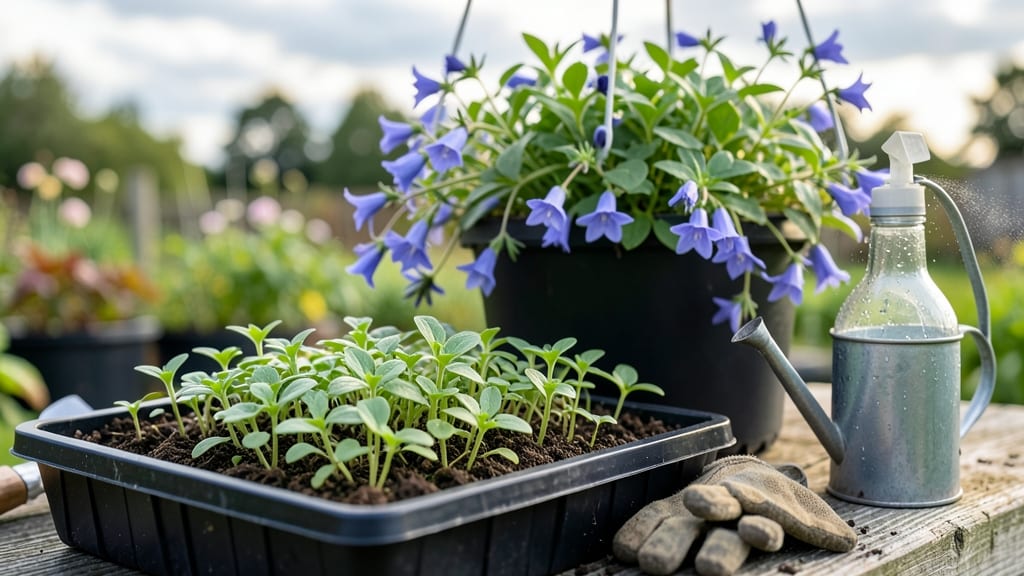
Grow a garden with these blue seed pods that open naturally—no soaking, no scarifying, just drop them in the ground and watch magic happen. 🌿 I’ve grown borage and delphiniums from these easy seeds for years, and they’re the perfect way to add striking blue blooms to your garden without the fuss of traditional seed-starting.
The secret lies in their unique germination process: these seeds need light to sprout, so you’ll plant them just barely covered (or uncovered) in well-draining soil. Most blue-flowering plants from these pods thrive in full sun, though a few tolerate partial shade—just check the variety you’re growing.
Water lightly after planting, keeping the soil consistently moist but never soggy until those first leaves appear.
By midseason, you’ll be rewarded with vibrant blue flowers that attract pollinators and add a pop of color to borders or cottage gardens. Borage self-seeds aggressively, while delphiniums may need staking, but both are surprisingly low-maintenance once established.
The best part? No need for fancy equipment—just a sunny spot and patience.
If germination takes longer than expected, try a heat mat or move pots to a warmer location. Aphids love delphiniums, so keep an eye out for sticky leaves and spray with soapy water if needed. With these tips, your blue seed garden will be a standout feature—no green thumb required!
📚 In This Guide
- What you need
- Instructions
- Tips and common mistakes
- Wrapping up and next steps
What you need
- ● Blue seed pods (e.g., Baptisia australis, Lobelia erinus, or Centaurea cyanus—check seed packets for "self-opening" varieties). Quantity: 50–100 seeds (adjust based on desired garden size).
- ● Well-draining potting mix (or garden soil amended with compost). Quantity: Enough to fill seed trays or a small raised bed (1–2 cubic feet).
- ● Seed trays or biodegradable pots (2–3 inches deep). Quantity: 1 tray or 12–24 small pots.
- ● Spray bottle (for gentle watering).
- ● Grow lights or sunny windowsill (if starting indoors). Note: 6–8 hours of light daily.
- ● Transplanting tools (small trowel or spoon).
- ○ Garden gloves (optional but helpful for soil prep!).
- ● Slow-release fertilizer (e.g., 10-10-10 NPK ratio) for nutrient boost.
- ● Mulch (straw or shredded leaves) to retain moisture.
- ● Plant labels (to track varieties if testing multiple seeds).
- ● Humidity dome (for trays to retain moisture while germinating).
- ● Organic pest control (neem oil or insecticidal soap for aphids).
- ● A sunny spot (6+ hours of direct sunlight daily) for outdoor planting.
- ● Patience—some blue seeds take 2–4 weeks to germinate!
- ● Consistent watering schedule (keep soil moist but not soggy).
How to grow a blue seed garden with self-opening pods
Here's how to create a vibrant blue seed garden where pods open naturally for easy seed collection.
🌱 Step 1: Select and Prepare Your Blue Seed Varieties
Choose self-opening blue seed varieties like bachelor's buttons (Centaurea cyanus), cornflowers (Centaurea montana), or blue salvia (Salvia uliginosa). These varieties naturally split open when dry, releasing seeds effortlessly. I always pick disease-resistant strains to avoid common issues like powdery mildew.
Soak seeds overnight in lukewarm water to soften tough outer coatings—this speeds up germination. Use a fine mesh strainer to prevent seeds from slipping through while soaking. Drain well before planting, ensuring they're damp but not soggy. This prep step makes all the difference in early growth.
🪴 Step 2: Plant in Well-Draining Soil with Full Sun
Prepare your garden bed by mixing 2 cubic feet of garden soil with 1 part compost to create loose, fertile soil. Blue seed varieties thrive in full sun (6+ hours daily) and well-draining conditions. Amend heavy clay soil with 1 gallon of perlite per square yard to improve drainage.
Sow seeds ¼ inch deep, spacing them 6-12 inches apart depending on the mature plant size. For bachelor's buttons, I plant them 6 inches apart in rows 12 inches apart—this gives them room to spread without crowding. Water gently after planting to settle the soil around seeds.
☀️ Step 3: Maintain Consistent Moisture and Light
Keep the soil evenly moist but never waterlogged—blue seed varieties hate soggy roots. Water deeply once every 2-3 days until the top 2 inches of soil feel dry. I use a moisture meter to check, but you can also stick your finger in the soil for a quick test.
Ensure plants receive full sun daily—partial shade leads to leggy growth and fewer blooms. If your garden gets afternoon shade, consider growing blue salvia instead, as it tolerates light afternoon shade better than other varieties. Watch for first true leaves appearing in 7-14 days—this is your cue that germination is successful.
✂️ Step 4: Prune and Support for Healthy Pod Development
Once plants reach 12 inches tall, begin deadheading spent blooms to encourage more flowers and seed pods. I pinch off flowers that have faded but haven’t formed pods yet—this redirects energy to new growth. For taller varieties like cornflowers, install stakes or cages at planting to support their 2-3 foot height as they mature.
Allow seed pods to form and mature fully before harvesting. Blue seed pods typically take 6-8 weeks after flowering to dry and open naturally. Leave some pods on the plant until they split open—this ensures you collect fresh seeds ready for next season’s planting.
🌿 Step 5: Harvest and Store Seeds for Next Year
When pods turn light brown and begin cracking open, gently shake them over a paper bag or tray to collect seeds. I do this on a dry day to avoid moisture ruining the seeds. Store collected seeds in a cool, dry place in a sealed envelope labeled with the variety and harvest date.
Seeds from self-opening pods remain viable for 2-3 years if stored properly. This method saves you money and ensures you always have fresh, high-quality seeds for your blue seed garden. Repeat the process each year for a continuous supply of vibrant blooms and seeds.
Tips & tricks for growing a blue seed garden
Here's what I've learned from years of growing blue seed gardens—simple tricks that make all the difference between a struggling patch and a thriving display.
Seed Prep Secret: The overnight soak in lukewarm water is non-negotiable for tough-coated blue seed varieties. I've tried skipping it, and germination takes twice as long. Use a fine mesh strainer to prevent seeds from slipping through—this is the only way to get them all out safely. After soaking, drain them on a paper towel and let them sit for 10 minutes before planting to ensure they're damp but not dripping.
Soil Mix Matters: That 2 cubic feet of garden soil to 1 part compost ratio creates the perfect balance of fertility and drainage. For heavy clay soil, don't skip the perlite amendment—it's what prevents those dreaded waterlogged roots. I've seen blue seed varieties wilt dramatically when planted in unamended clay, even with perfect watering. Pro tip: Mix in a handful of sand if you don't have perlite handy.
Watering Wisdom: The "top 2 inches dry" test is your best friend. Stick your finger in the soil—if it feels dry up to your first knuckle, it's time to water. I've ruined batches by either overwatering (which causes rot) or underwatering (which stresses the plants). For container gardens, check the soil every morning and adjust your watering schedule based on how quickly it dries out. Containers dry out much faster than in-ground beds.
Harvest Timing: Those light brown pods that begin cracking open are your signal to harvest. I've learned the hard way that waiting too long means seeds scatter everywhere, and harvesting too early means they're not fully mature. Collect seeds on a dry day and spread them out to dry completely before storing. This prevents mold and ensures maximum viability for next season.
Pro Tips for Blue Seed Grow A Garden
- Here's what I've learned from years of growing blue seed gardens—simple tricks that make all the difference between a struggling patch and a thriving display.
- Seed Prep Secret: The overnight soak in lukewarm water is non-negotiable for tough-coated blue seed varieties.
- Soil Mix Matters: That 2 cubic feet of garden soil to 1 part compost ratio creates the perfect balance of fertility and drainage.
Frequently asked questions
Got questions about growing blue seed pods? You're not alone! Here are some of the most common queries—plus quick, practical answers to help you cultivate a thriving garden with minimal fuss.
How long does it take for blue seed pods to mature and open naturally?
Blue seed pods typically mature in 60–90 days after planting, depending on your climate and growing conditions. Once fully ripe, they’ll open on their own when dry, releasing seeds effortlessly. Pro tip: Harvest pods when they turn a deep blue-gray and feel slightly crispy to the touch for the best results!
What’s the best temperature range for growing blue seed plants?
Blue seed plants thrive in moderate climates, ideally between 55–75°F (13–24°C). They’re hardy enough for spring or fall planting but may struggle in extreme heat or frost. If you’re in a hotter region, opt for partial shade to prevent wilting. Pro tip: Morning sun is gentler than harsh afternoon rays!
Can I grow blue seed pods in containers, or do they need a garden bed?
Blue seed pods adapt well to containers as long as the pot is at least 12 inches deep with drainage holes. Use a lightweight potting mix, and place the container where it gets 4–6 hours of sunlight daily. Just ensure the pot stays moist but not soggy.
Why aren’t my blue seed pods opening? Troubleshooting tips.
If pods stay closed, check these common issues:
- Underwatering: Dry conditions can delay opening. Water deeply 1–2 times per week.
- Improper ripening: Harvest pods when they’re fully blue-gray—green pods aren’t ready!
- Humidity: High moisture can keep pods closed. Ensure good airflow.
Are there alternatives to blue seed pods for natural seed dispersal?
Yes! If blue seed pods aren’t available, try these self-opening seed varieties:
- Lupine (vibrant purple blooms, easy to grow)
- Poppies (delicate flowers with natural seed pods)
- Cosmos (drought-tolerant and self-seeding)
Wrapping up and next steps
Growing a blue seed garden is a rewarding journey—especially when you choose pods that open naturally, saving you time and effort! 🌱 With the right materials, patience, and a little care, you’ll soon enjoy a thriving garden filled with vibrant blooms or delicious harvests.
Whether you’re a beginner or a seasoned gardener, these easy-to-grow seeds make the process stress-free and fun.
Ready to take the next step? Start small—plant a few pods in your backyard, balcony, or even a windowsill. Watch your garden grow, and soon, you’ll be sharing your success with friends (or bragging on social media!). 🌟 Happy planting!