
Propagation
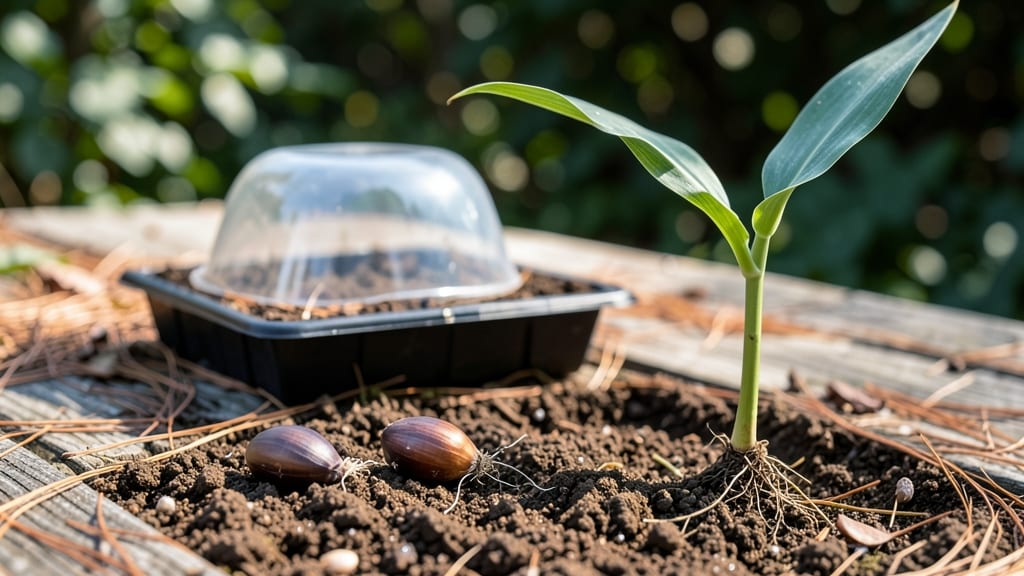
Corn seed germination time can stretch from 7–14 days when soil hits 80°F, but cooler temps stretch that to 3+ weeks—and that’s where most gardeners give up. 🌱 I’ve learned the hard way that patience and heat are the real game-changers here. The first sign of success? Tiny white roots breaking through the seed coat, followed by that first stubborn little shoot pushing upward.
Most gardeners rush planting too early, only to watch seeds rot in cold soil. The trick is waiting until the ground stays consistently above 60°F, then using black plastic mulch to add 10°F extra warmth right where seeds go.
Compared to beans (5–10 days) or peas (7–14 days), corn demands more heat—but once you nail the timing, those first seedlings emerge like clockwork.
You’ll know you’re on track when you see uniform sprouts within 10–14 days of planting. The key is keeping soil moist (not soggy) and shallow—just 1–1.5 inches deep. Too deep, and they’ll struggle to surface; too shallow, and they’ll dry out.
That first leaf unfurling is a huge moment—it means your soil’s ready for the real work ahead.
For those impatient weeks, mark your planting date and track soil temps with a cheap probe. If you’re in cooler zones, consider a seedling heat mat—it cuts germination time by nearly half. The payoff? Stronger, faster-growing plants that outpace anything from a nursery. Let’s get those seeds sprouting right.
📚 In This Guide
- What you need
- Instructions
- Tips and common mistakes
- Wrapping up and next steps
What you need
- ● Corn seeds: 10-20 seeds (non-GMO, heirloom, or hybrid varieties like Silver Queen or Sweet Corn for best results).
- ● Germination container: Option 1: Paper towels (2-3 large sheets) + sealed plastic bag.
- ● Option 2: Seedling trays (with drainage holes) + 3-4 inches of moistened potting mix (sterile, seed-starting blend).
- ● Option 3: Jiffy pellets (pre-moistened, peat-based) for hands-off growing.
- ● Water: Room-temperature (avoid tap water if heavily chlorinated; let it sit for 24 hours or use filtered water).
- ○ Heat source (optional but critical): Germination mat (set to 75-85°F).
- ● Seedling heat lamp (adjustable bulb, 60-75W).
- ● Warm spot near a sunny window (e.g., top of fridge or microwave).
- ● Spray bottle: (16 oz, with fine mist nozzle for gentle hydration).
- ● Ruler or measuring tape: (to track seed depth: 1-1.5 inches for corn).
- ● Grow lights: LED or fluorescent (12-16 hours/day once sprouts emerge).
- ● Humidity dome: (for trays to retain moisture early on).
- ● pH test kit: (to check potting mix pH; ideal range: 6.0-7.0).
- ● Seedling fertilizer: (diluted, balanced formula like 5-5-5 once true leaves appear).
- ● Notebook/journal: (to log germination dates, temps, and observations!).
How to time corn seed germination for faster, healthier sprouts
Corn seeds need the right conditions to break dormancy quickly—here's how to predict sprouting and accelerate it safely.
🌱 Step 1: Understand Corn's Ideal Germination Window
Corn seeds typically germinate in 7-14 days under perfect conditions, but most gardeners see sprouts in 10-12 days when following these exact parameters. The key factors are soil temperature and moisture consistency. I always aim for 75-85°F soil temps—below 60°F, germination slows dramatically, and above 90°F, seeds may rot before sprouting.
Here's the thing—corn seeds need 12-24 hours of soaking before planting to soften the hard outer coating. I use lukewarm water (not hot) to prevent shocking the embryo. After soaking, press the seeds between your fingers—if they bend slightly, they're ready. Plant them 1 inch deep in warm soil, where they'll find the moisture and heat they crave.
☀️ Step 2: Create the Perfect Warmth and Moisture Environment
Corn seeds germinate fastest when soil stays consistently moist but not soggy. I check moisture by pressing my finger 1 inch deep—if it feels dry, it's time to water. The goal is even dampness, not puddles. A seedling heat mat set to 80-85°F under your planting tray can cut germination time by 3-5 days compared to room temperature.
Don't water from above after planting—you'll dislodge seeds or create a crust that blocks oxygen. Instead, use a gentle watering can with a fine rose or a spray bottle to mist the soil surface lightly. Cover the tray with clear plastic wrap (not aluminum foil) to trap warmth and humidity, but remove it as soon as 50% of seeds sprout to prevent fungal growth.
💧 Step 3: Monitor for Sprouting and Adjust Conditions
Watch for radicles (tiny white roots) pushing through the soil first—this usually happens 3-5 days after planting under ideal conditions. Once you see these, do not disturb the soil around them. The shoot will emerge 2-3 days later, and you'll notice cotyledons (the first true leaves) unfurling 5-7 days after sprouting.
If germination stalls after 7 days, check your soil temperature—it may have dropped. Move the tray to a warmer spot or add a heat cable wrapped around the container. Avoid overwatering now; damping-off (a fungal disease) can wipe out seedlings overnight if the soil stays too wet. You'll know moisture is right when the soil surface looks slightly damp but not glistening.
⏰ Step 4: Transplant at the Right Growth Stage
Corn seedlings are ready for transplanting 10-14 days after germination, when they have 3-4 true leaves and are at least 6 inches tall. Harden them off by placing them outside in partial shade for 2 hours the first day, then gradually increasing exposure over 5-7 days. This prevents transplant shock, which can stall growth for weeks.
Real talk: If you rush transplanting before seedlings are sturdy, they'll bolt (send up a tall, weak stalk) or wilt in the garden. Wait until they've developed strong roots—you'll see them when you gently tug on the plant. The soil should resist slightly rather than pulling away easily. Plant in full sun with 12+ hours of light daily to maintain their growth momentum.
Tips & tricks for perfect corn sprouting timing
These science-backed strategies will help you accelerate germination while avoiding common pitfalls that slow down—or even kill—your corn seeds.
Soil Temperature Precision: The 75-85°F range is non-negotiable for speedy germination. I use a soil thermometer to verify temps before planting—corn seeds are particularly sensitive to fluctuations. If your soil runs cooler (below 60°F), place your tray on a heating pad or near a sunny window with clear plastic wrap to create a mini greenhouse effect. This can shave 3-5 days off your germination timeline.
Soaking Technique Matters: The 12-24 hour soak isn't just about hydration—it's about breaking dormancy. I add a pinch of cinnamon (optional) to the lukewarm water to prevent mold, which can be deadly for seeds. After soaking, drain seeds completely and let them air-dry for 10 minutes before planting. This prevents waterlogging that can cause rot.
Moisture Monitoring System: The 1-inch deep moisture check is your best friend. Use a wooden skewer instead of your finger—it's more precise and avoids disturbing the soil. For the first 3-5 days after planting, maintain moisture by misting twice daily rather than watering deeply. Overwatering here creates anaerobic conditions that suffocate seeds.
Transplant Readiness Check: Don't guess when seedlings are ready for transplanting! Look for 3-4 true leaves (not the first seed leaves) and a 6-inch height. I perform a root tug test: gently grasp the stem near the soil line and pull upward. If you feel slight resistance (the roots are gripping the soil), it's ready. If it pulls out easily, wait another 2-3 days.
Pro Tips for Corn Seed Germination Time
- These science-backed strategies will help you accelerate germination while avoiding common pitfalls that slow down—or...
- Soil Temperature Precision: The 75-85°F range is non-negotiable for speedy germination. I use a soil thermometer to v...
- Soaking Technique Matters: The 12-24 hour soak isn't just about hydration—it's about breaking dormancy. I add a pinch...
Frequently asked questions
Got questions about corn seed germination?
You’re not alone! Here are answers to the most common queries to help you grow strong, healthy corn from seed—fast.
How long does it take for corn seeds to germinate?
Most corn seeds sprout in 7–14 days under ideal conditions (warm soil, 70–85°F). Sweet corn often germinates faster (5–10 days), while field corn may take slightly longer. Check soil moisture daily—keep it consistently damp but not soggy!
Can I speed up corn seed germination?
Yes! Pre-soak seeds in warm water for 4–6 hours before planting to kickstart germination. Use a heat mat (75–85°F) for faster sprouting, or plant in black plastic mulch to warm the soil. Just avoid overwatering—corn seeds rot if too wet!
What’s the best soil temperature for corn seed germination?
Corn thrives in soil between 60–90°F, but germination slows below 50°F. For fastest results, aim for 70–85°F. Use a soil thermometer to monitor temps—if it’s too cool, delay planting or use row covers to trap heat.
Why aren’t my corn seeds sprouting? Troubleshooting tips
Check these common issues:
- Cold soil: Wait until soil reaches at least 60°F.
- Dry seeds: Soak seeds overnight before planting.
- Old seeds: Corn loses viability after 2–3 years—test viability first!
- Poor drainage: Plant in well-draining soil to prevent rot.
Can I plant corn seeds indoors first?
Corn is not ideal for indoor starting—its roots are delicate and transplant shock is common. If you must, use biodegradable pots and harden off seedlings for 1–2 weeks before outdoor planting. For best results, sow directly in the garden after the last frost!
Wrapping up and next steps
Understanding corn seed germination time and the right conditions can transform your gardening success—whether you're a seasoned grower or just starting out! 🌱 With patience, proper heat, and moisture, your seeds can sprout in as little as 3-10 days, depending on the variety.
Now that you're armed with the best tricks, it's time to roll up your sleeves and plant those seeds!
🌱 Next Steps:
- Test your soil—ensure it’s warm (70-90°F) and moist for optimal sprouting.
- Monitor daily—keep an eye out for those first tiny shoots!
- Experiment with varieties—try fast-germinating types like Sweet Corn if speed is your goal.