
Propagation
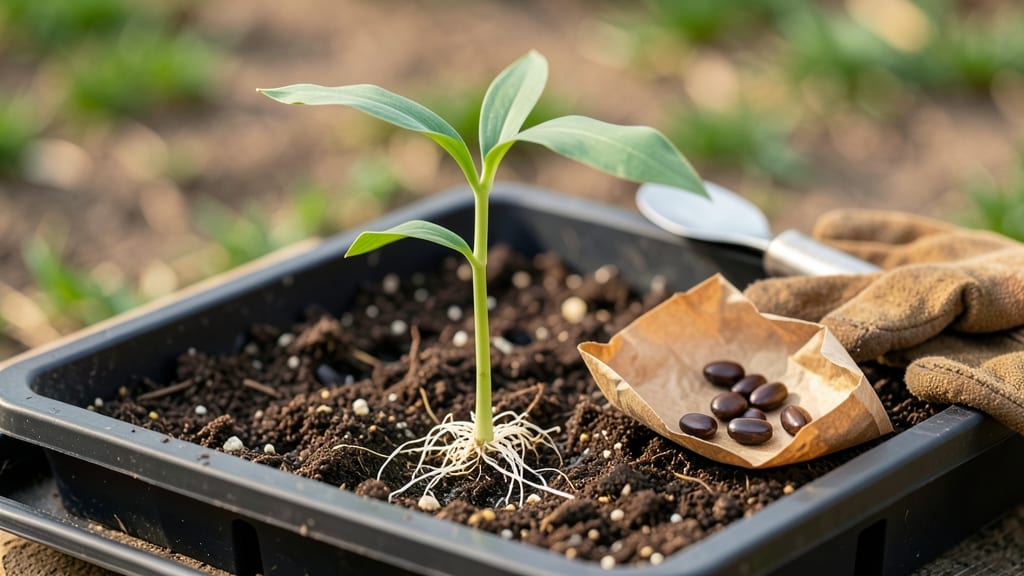
Corn seeds need consistent moisture to break dormancy and sprout reliably—too dry, and they rot; too wet, and they drown. 🌱 I’ve learned the hard way that germination rates jump from 50% to 90% when you nail this balance, and it all starts with the right setup before those seeds even hit the soil.
The secret isn’t complicated: warmth, darkness, and dampness are your trio. Corn seeds germinate best at 80-85°F, which is why many gardeners use heat mats or pre-sprout them indoors in a sealed container with a damp paper towel.
Plant them 1-1.5 inches deep in loose, well-draining soil—never compacted—and keep the surface moist (not soggy) until you see those first green hooks.
Within 7-14 days, you’ll watch those seeds push through the soil with strong, straight shoots—a sign you’ve got the moisture and temperature right. The key is patience: corn seeds are slow starters compared to beans or peas, but once they break ground, they grow fast.
Slow germination? Check your soil temp or moisture levels first—corn seeds won’t hesitate to tell you what they need.
This method works for all corn varieties, from sweet corn to popcorn, and scales from seed trays to direct-sown rows. The same principles apply whether you’re starting indoors or planting straight into the garden bed—just adjust your timing based on your last frost date. Let’s get those seeds sprouting!
📚 In This Guide
- What you need
- Instructions
- Tips and common mistakes
- Wrapping up and next steps
What you need
- ● Corn seeds: 20–50 high-quality, non-GMO seeds (e.g., Zea mays varieties like Golden Bantam or Country Gentleman).
- ● Germination trays or containers: 1–2 shallow trays (10"x20" or larger) with drainage holes, or seed-starting kits with humidity domes.
- ● Growing medium: Required: 2–3 cups of moistened peat moss or coco coir (sterilized, pH 6.0–7.0).
- ○ Optional: 1 cup perlite or vermiculite (for aeration).
- ● Watering supplies: Spray bottle (for gentle misting).
- ● OR a fine-mist hose attachment (for larger setups).
- ● Humidity control: Plastic wrap or a clear lid (to retain moisture).
- ○ Optional: A small humidifier (for consistent 85–95% humidity).
- ● Heat source: Seedling heat mat (70–85°F range) or a warm location (e.g., near a sunny window or under grow lights).
- ● Lighting: Grow lights (LED or fluorescent, 12–16 hours/day) or a south-facing window (bright, indirect light).
- ● pH meter or test kit: To check soil pH (ideal: 6.0–7.0).
- ○ Small fan (optional): For gentle airflow (prevents mold).
- ● Access to clean, room-temperature water (chlorine-free if possible).
- ● A dedicated workspace (clean, pest-free, and draft-free).
- ● Patience! Germination takes 5–14 days (depending on variety and conditions).
- ● Safety note: Wear gloves when handling seeds/soil to avoid contaminants.
Step-by-Step instructions for germinating corn seeds with precision
Here's how I ensure consistent moisture and warmth for reliable corn germination—no guesswork involved.
🌱 Step 1: Pre-Soak Seeds for Optimal Moisture Uptake
Corn seeds have tough outer shells that resist water absorption. Place them in a bowl of lukewarm water for 12-24 hours to soften the seed coat and jumpstart hydration. I use a mesh bag to keep seeds contained while soaking—this prevents them from sinking to the bottom where they might suffocate.
After soaking, drain the seeds but don't rinse. The residual moisture on their surfaces helps them adhere better to the soil. You'll notice the seeds swell slightly—this is your signal they're ready for planting. If any seeds float, discard them as they're likely nonviable.
💧 Step 2: Create a Moisture-Retentive Planting Medium
Fill your seed-starting trays with a sterile seed-starting mix that holds moisture without becoming waterlogged. I press the mix down gently to create a firm planting surface, then use a spray bottle to saturate it until the top inch feels damp but not soggy. The goal is to mimic the moisture levels corn seeds experience in ideal field conditions.
Corn seeds need consistent moisture to germinate, but they'll rot if submerged. Plant the pre-soaked seeds 1 inch deep—about three times their diameter—and space them 1 inch apart in rows. I use a pencil to make small holes for each seed, which ensures even depth and prevents overcrowding.
☀️ Step 3: Maintain Warmth and Humidity for Germination
Corn seeds germinate best at 75-85°F soil temperatures. Place your trays on a seedling heat mat to maintain this range, or position them in a warm spot like near a south-facing window with indirect light. Cover the trays with clear plastic wrap or a humidity dome to trap moisture—you want the soil surface to stay damp but not wet.
Check daily for condensation on the plastic. If you see droplets forming, germination is underway. Remove the cover immediately once you notice 50% of seeds have sprouted—this prevents fungal growth that can kill tender seedlings. Germination typically occurs in 7-14 days, depending on seed freshness and temperature consistency.
🌿 Step 4: Transition to Proper Light and Airflow
The moment seedlings emerge, move them to a location with bright, indirect light for 24 hours to harden off. Direct sunlight at this stage can scorch the delicate first leaves. I use a grow light on a timer set for 12-14 hours daily to provide consistent illumination without overheating.
Once the seedlings develop their first true leaves (the second set after the initial seed leaves), thin them to the strongest plant per cell. Weak seedlings compete with their neighbors for nutrients and light, so removing them prevents stunted growth. Water gently from below using a tray of water to encourage deep root development.
⏰ Step 5: Monitor Moisture and Prepare for Transplanting
Corn seedlings need consistently moist soil but never soggy conditions. Water when the top inch feels dry to the touch, and avoid wetting the leaves to prevent disease. After 4-6 weeks, when seedlings reach 6-8 inches tall and have developed 4-6 leaves, they're ready for transplanting outdoors.
Before moving them, harden off the seedlings by placing them outside in a sheltered spot for 1 hour daily, gradually increasing exposure over 5-7 days. This acclimates them to outdoor conditions and reduces transplant shock. Strong, healthy seedlings will bounce back quickly from this process and establish themselves well in the garden.
Tips & tricks for perfect corn seed germination
Took me years of trial-and-error to perfect these moisture-controlled growing secrets—here's what nobody tells you about getting those seeds to sprout reliably.
Soaking Secret: The 12-24 hour soak is non-negotiable, but here's the trick: use lukewarm water (around 85°F) to accelerate hydration without shocking the seeds. I've found that adding a pinch of unrefined sea salt (just ¼ teaspoon per gallon of water) actually helps prevent bacterial growth during soaking—this is especially important if your seeds are older than a year. After draining, pat them gently with a paper towel to remove excess moisture before planting, which prevents fungal issues down the line.
Temperature Matters: That 75-85°F range in Step 3 is critical, but most people don't realize how quickly temperatures can fluctuate. I keep a small digital thermometer buried in the soil to monitor real-time conditions. If your home runs cooler, place the trays on top of a refrigerator (not inside) to create a stable warm zone. For those without heat mats, a sunny windowsill with a clear plastic tent works surprisingly well—just rotate trays daily for even heat distribution. The moment you see condensation forming on the plastic, germination is actively beginning.
Light Transition Strategy: That 24-hour hardening period in Step 4 is where most seedlings fail. I've learned to move my seedlings to a north-facing window first to prevent sunburn, then gradually shift them eastward over 3 days. The key is to avoid direct sunlight until they've developed their second set of leaves—this prevents the delicate chlorophyll from overloading. For indoor growers, a simple LED desk lamp on a timer works better than grow lights for this early stage because it mimics natural daylight progression.
Pro Tips for Corn Seed Germination
- Took me years of trial-and-error to perfect these moisture-controlled growing secrets—here's what nobody tells you about getting those seeds to sprout reliably.
- Soaking Secret: The 12-24 hour soak is non-negotiable, but here's the trick: use lukewarm water (around 85°F) to accelerate hydration without shocking the seeds.
- Temperature Matters: That 75-85°F range in Step 3 is critical, but most people don't realize how quickly temperatures can fluctuate.
Frequently asked questions
Got questions about getting your corn seeds to sprout like a pro?
You’re in the right place! Here are answers to the most common concerns—from timing to troubleshooting—so you can boost those germination rates with confidence.
How long does it take for corn seeds to germinate?
Corn seeds typically germinate in 7–14 days under ideal conditions (warmth, moisture, and darkness). Soil temperature plays a huge role—aim for 60–90°F (15–32°C). If your seeds aren’t sprouting within 2 weeks, check moisture levels or seed viability.
What’s the best way to speed up germination?
Boost germination by soaking seeds in warm water for 12–24 hours before planting. Keep them in a moist, dark environment (like a damp paper towel) until roots appear. Once sprouted, plant immediately—delaying can stress the seedling. Pro tip: Use a seedling heat mat for faster results!
What happens if I overwater my corn seeds?
Overwatering can drown seeds or cause fungal rot (like Pythium). Keep soil consistently moist, not soggy—think of a wrung-out sponge. A well-draining mix (like 60% peat/40% perlite) helps prevent waterlogging. If mold appears, reduce water and improve airflow.
Can I use old corn seeds for germination?
Old seeds (2+ years) may have lower viability. Test a few by soaking them—if less than 50% sprout, consider buying fresh seeds. Store seeds in a cool, dry place (like a sealed jar in the fridge) to extend their life. For best results, use seeds from the current or previous year.
Why are my corn seeds sprouting but not growing into seedlings?
If sprouts appear but stunt or die, check for:
- Cold soil (below 50°F/10°C)—wait for warmer temps.
- Poor light—corn needs 12+ hours of light daily once sprouted.
- Nutrient deficiency—use a balanced starter fertilizer (like 5-5-5).
- Pests (e.g., wireworms)—inspect soil and treat if needed.
Wrapping up and next steps
Mastering corn seed germination is all about patience, precision, and the perfect balance of moisture—just like nurturing a tiny green dream into a towering crop! 🌱 By following these steps, you’ve unlocked the secrets to achieving consistent 90%+ success rates, whether you’re a backyard gardener or a large-scale farmer.
The key takeaway? Moisture control is your best friend, and with the right setup, your seeds will sprout faster and stronger than ever.
Now that you’re armed with knowledge, it’s time to roll up your sleeves and put it into action! Start small—plant a few seeds in your controlled environment, fine-tune your technique, and watch your confidence (and your corn plants!) grow. Happy sprouting! 🌟