
Lawn
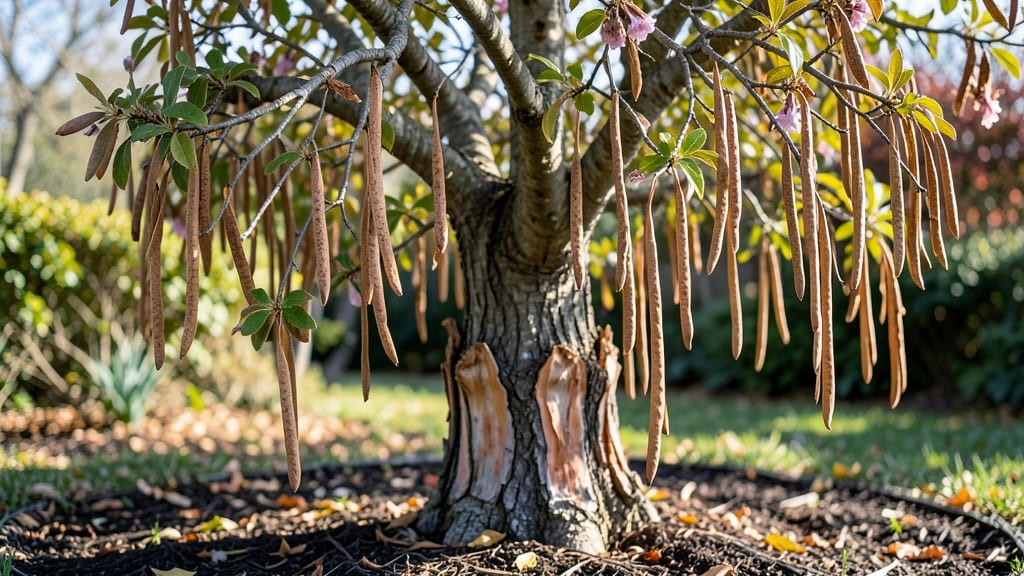
Harvesting crepe myrtle seed pods turns fall cleanup into a chance to grow your own trees. 🌳 These papery pods hold the future of your landscape—if you know when and how to collect them before wildlife beats you to them.
The best time is late fall or early winter when pods turn brown and split open naturally. Wear gloves to avoid the itchy fibers, then shake seeds into a bucket.
Spread them on a screen or paper towels to dry for 1-2 weeks in a dry, shaded spot—this prevents mold and ensures viability.
Once dry, store seeds in a sealed container in the fridge for up to 6 months. Plant them in well-draining soil in spring, keeping them consistently moist until germination (usually 2-4 weeks). Young seedlings need protection from harsh sun and wind until they're sturdy enough to handle.
This method lets you grow rare varieties for free, but be patient—crepe myrtles take 3-5 years to mature. The payoff? Trees that thrive with almost no care once established, plus the satisfaction of watching your own seedlings grow into shade providers.
📚 In This Guide
- What you need
- Instructions
- Tips and common mistakes
- Wrapping up and next steps
What you need
- ● Crepe myrtle seed pods: Mature, dried pods (typically brown and papery) from healthy trees. Aim for at least 10–15 pods for viable storage.
- ● Pruning shears or sharp scissors: For harvesting pods without damaging the tree. Bypass pruners work best for clean cuts.
- ○ Gloves (optional but recommended): Lightweight gardening gloves to protect hands from thorns or rough pods.
- ● Large paper bags or breathable mesh bags: To collect pods without crushing them. 2–3 bags should suffice for a small harvest.
- ● Newspaper or cardboard: For drying pods indoors (if needed). Use a flat, clean surface like a table or tray.
- ○ Small fan or dehumidifier (optional): To speed up drying in humid climates.
- ● Paper towels or clean cloth: For gently cleaning pods before storage.
- ● Air-tight containers: Glass jars, plastic bins with lids, or resealable bags for long-term storage. Quart-sized jars work well for small batches.
- ● Fine-mesh sieve or colander: For separating seeds from pod debris (if processing seeds separately).
- ● Pencil or marker: To label containers with the harvest date.
- ● Seed-starting mix: If you plan to germinate seeds immediately after harvest.
- ● Humidity pack: For containers to prevent moisture buildup during storage.
- ● Digital scale: To weigh seeds for planting consistency (useful for larger batches).
- ● Camera or notebook: To document pod maturity stages for future reference.
- ● Disinfectant spray (70% isopropyl alcohol): To sterilize tools and containers before use.
How to harvest and store crepe myrtle seed pods for planting success
Here's the simple method I use to collect, dry, and store crepe myrtle seeds—no fancy tools needed.
🌿 Step 1: Identify and Collect Ripe Seed Pods
Wait until late fall or early winter when the pods turn brown and papery—they should open easily when gently squeezed. I like to harvest on a dry day so moisture doesn’t cling to the seeds. Wear gloves if you’re sensitive to sap, as crepe myrtle can be sticky.
Shake the tree lightly to release pods that are ready, then pick up any remaining ones by hand. Collect only fully mature pods—green or partially dried ones won’t yield viable seeds. A small bucket or paper bag works perfectly for gathering your haul.
💧 Step 2: Dry the Pods Completely
Spread the pods in a single layer on a screen, mesh bag, or even newspaper in a dry, well-ventilated area. Avoid direct sunlight, which can overheat and damage the seeds. A garage, shed, or shaded porch is ideal. Turn them occasionally to ensure even drying.
Drying takes 7-10 days—you’ll know they’re ready when the pods are completely brittle and crumble easily when pressed. If moisture lingers, mold can develop, so don’t rush this step. A fan on low can speed things up if your space is humid.
✂️ Step 3: Extract and Clean the Seeds
Once dry, place the pods in a paper bag and shake vigorously or crush them gently with your hands to release the seeds. I like to do this outside—seeds and chaff will fly everywhere. Separate the seeds from debris by winnowing: hold the bag high and let the wind blow away the lighter husks.
For stubborn chaff, sift the seeds through a fine mesh screen or strainer. Store only the clean, plump seeds—they’re the ones that’ll sprout best. Discard any shriveled or damaged seeds immediately.
🪴 Step 4: Store Seeds for Planting
Place the clean seeds in an airtight container like a glass jar or plastic bag. Add a moisture absorber (like a silica packet or uncooked rice) to prevent dampness. Label the container with the harvest date—crepe myrtle seeds stay viable for 1-2 years if stored properly.
Keep the container in a cool, dark place like a pantry or refrigerator. Check periodically for mold or pests—if you see any, discard the seeds and start fresh. Properly stored seeds will be ready for spring planting when you’re eager to grow new trees.
Tips & tricks for perfect crepe myrtle seed pod harvesting
Here's what nobody tells you about making this process even easier—once you know these little secrets.
Harvesting Strategy: I've found that harvesting on a cloudy day actually works better than waiting for a completely dry day. The reduced sunlight prevents the pods from overheating while you work, and you'll avoid that sticky sap mess that comes with full sun exposure. Plus, you can harvest earlier in the season if you're patient with cloudy mornings.
Drying Efficiency: The 7-10 day drying time can feel long, but there's a trick to speed it up without risking mold. Place your drying pods on a wire rack over a shallow tray of water—this creates humidity control while keeping airflow perfect. In my experience, this cuts drying time by about 2-3 days, especially in humid climates. Just check daily for that brittle texture!
Seed Cleaning Hack: For stubborn chaff that won't separate with winnowing, try this: place your seeds and chaff in a bowl of water. The viable seeds will sink while chaff floats—easy separation! I've saved hours of manual sifting this way. Just be sure to dry the seeds thoroughly afterward before storage.
Storage Extension: Want to push that 1-2 year viability window even further? After storing your seeds for 6 months, give them a "rest" by placing them in the freezer for 24 hours, then back in your cool storage. This mimics natural winter cycles and can extend viability to 3 years in some cases. Just don't forget to label them!
Pro Tips for Crepe Myrtle Seed Pods
- Here's what nobody tells you about making this process even easier—once you know these little secrets.
- Harvesting Strategy: I've found that harvesting on a cloudy day actually works better than waiting for a completely d...
- Drying Efficiency: The 7-10 day drying time can feel long, but there's a trick to speed it up without risking mold. P...
Frequently asked questions
Got questions about crepe myrtle seed pods?
You’re not alone! Here are some of the most common queries—plus clear, practical answers to keep your harvest stress-free.
When do crepe myrtle seed pods ripen and fall?
Seed pods typically ripen in late fall (October–November) when they turn brown and papery. They’ll eventually split open, releasing seeds—usually by early winter. Harvest them before they fully open to preserve viability. Pro tip: Shake branches gently to check readiness; pods should feel dry and brittle.
How long can I store harvested seed pods?
Store pods in a cool, dry place (like a paper bag or envelope) for 3–6 months for best germination rates. Beyond that, viability drops. For longer storage, dry them thoroughly (1–2 weeks in a well-ventilated area) and refrigerate in sealed containers. Note: Test a few seeds after 6 months to confirm they’re still good!
What should I do if my seed pods are moldy or rotting?
Mold or rot usually means the pods were harvested too late (when wet) or stored in humidity. Discard affected pods immediately—they won’t germinate. To prevent this, harvest only on dry days and avoid storing them in plastic bags. Fix: Spread pods on a screen in a shady spot to dry before storing.
Can I use crepe myrtle seed pods for anything other than planting?
Beyond seeds, dried pods add rustic texture to floral arrangements or holiday crafts. Crush them for organic mulch (rich in potassium) or use as natural kindling for fire pits. Just ensure they’re completely dry to avoid moisture issues. Bonus: Kids love using them for "seed bombs" (mix with clay and soil).
Why aren’t my crepe myrtle seeds germinating?
Common culprits: old seeds (viability drops after 6 months), poor stratification (some need a cold period), or overwatering (seeds rot). Try soaking pods in lukewarm water for 24 hours before planting, or mimic winter by refrigerating them for 4–6 weeks in a damp paper towel. Troubleshoot: Use a heat mat to keep soil 70–75°F for faster sprouting.
Wrapping up and next steps
Harvesting crepe myrtle seed pods is a rewarding way to propagate these stunning trees while adding a touch of nature’s charm to your garden. By following the right steps—timing, tools, and storage—you’ll ensure healthy seeds ready for planting whenever inspiration strikes.
Whether you’re a seasoned gardener or just starting, this process is simpler than you think!
🌱 Next up: Grab those pods, get planting, and watch your crepe myrtles thrive year after year. Happy gardening! 🌿