
Lawn
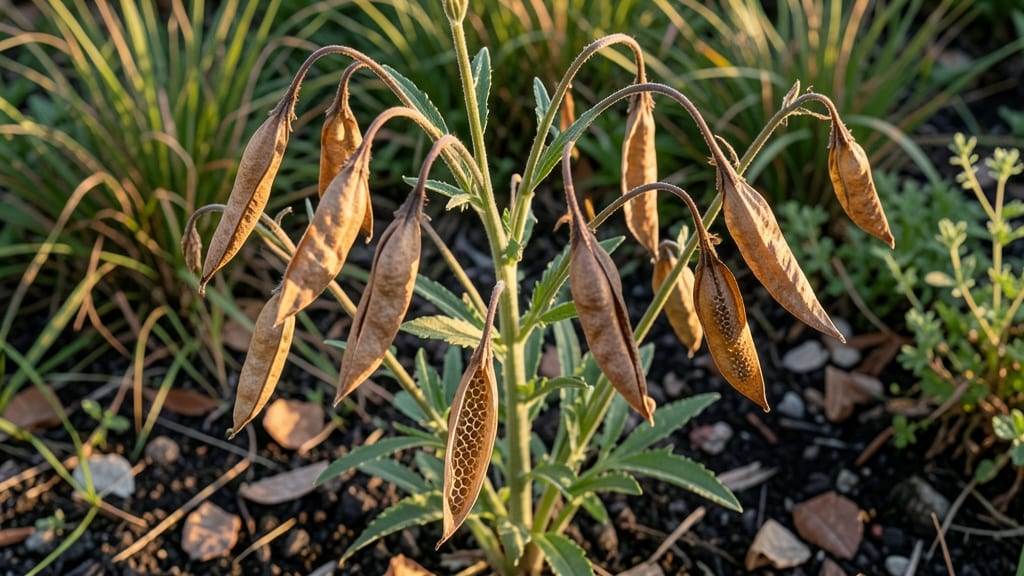
Those dried snapdragon seed pods are nature’s way of preserving the next generation—if you know how to handle them. 🌿 The moment the blooms fade and the pods turn from green to papery brown, they’re ready for harvest, but timing matters: too soon, and seeds won’t mature; too late, and they’ll scatter before you collect them.
Start by snipping pods when they’re fully brown but still slightly crisp—this usually happens 4-6 weeks after flowering, depending on your climate. Bundle stems and hang them upside-down in a dry, well-ventilated spot (like a garage or shed) for 2-3 weeks.
Avoid direct sunlight, which can dry them too fast and crack the pods. If you’re impatient, a low oven (150°F) for 1-2 hours speeds up drying, but monitor closely to avoid overheating.
Once fully dry, gently rub the pods between your hands to release seeds—store them in a paper envelope (not plastic) in a cool, dark place. Properly dried seeds stay viable for 2-3 years, but germination drops sharply after that.
For best results, sow them in early spring or fall, when soil temps are mild but not scorching.
Here’s the secret: cold-stressed pods open naturally when conditions are right, releasing seeds at the perfect moment for planting. Watch for that first frost—it triggers the pods to split open, ensuring your next batch of snapdragons gets a head start. Now go collect those pods before the wind does!
📚 In This Guide
- What you need
- Instructions
- Tips and common mistakes
- Wrapping up and next steps
What you need
- ● Fresh snapdragon plants (Antirrhinum majus) – Choose healthy, mature plants with fully bloomed flowers.
- ● Sharp pruning shears or scissors – For cleanly harvesting seed pods.
- ● Drying trays or screens – Elevate pods to allow airflow (e.g., mesh screens, cardboard boxes with holes).
- ● Brown paper bags or breathable fabric bags – For storing pods during drying (1-2 bags per batch).
- ● Patience! 😅 – Drying takes 4-6 weeks in a dry, well-ventilated space.
- ● Twine or rubber bands – To bundle stems for easier handling.
- ● Drying rack or hanging mesh bags – For vertical drying (saves space!).
- ● Labeling tags – Mark bags with plant names/years for organization.
- ● Desiccant packets – Reduce humidity in storage containers (if needed).
How to harvest and dry snapdragon seed pods for viable seeds
Cold-stressing snapdragons triggers natural pod opening—here's how to collect seeds at peak viability.
🌱 Step 1: Identify and Select Mature Seed Pods
Wait until pods turn from green to a papery brown color—this signals full maturity. Snapdragons produce seeds in elongated, pencil-shaped pods that develop from spent blooms. Gently squeeze a pod between your fingers; if it feels dry and brittle with a hollow sound, it's ready. Avoid pods that remain green or feel plump—they won't contain viable seeds.
Harvest pods on a dry day when humidity is low. This prevents premature seed release and mold growth. Use clean, sharp pruning shears to cut stems about 3 inches below the pod. Place harvested pods in a paper bag immediately to prevent moisture buildup—plastic traps dampness and encourages rot.
☀️ Step 2: Cold-Stress Pods to Trigger Natural Opening
Place the paper bag of pods in your refrigerator's crisper drawer for 7-10 days at 35-40°F. The cold shock mimics natural winter conditions, causing pods to open and release seeds gradually. Check pods daily after day 5—they should begin splitting open along their seams. If pods remain closed after 10 days, extend the cold treatment for another 3-5 days.
This method yields cleaner seeds than simply cutting open pods. The natural opening process prevents seed damage from rough handling. Once pods start splitting, remove them from cold storage and place them on a clean, dry surface in a well-ventilated area. Avoid direct sunlight during this stage—it accelerates drying but reduces seed viability.
💧 Step 3: Dry Seeds Completely Before Storage
Spread the open pods on a mesh screen or paper towel in a dry, shaded location. Maintain airflow by placing a small fan nearby on low setting—this prevents mold while ensuring even drying. Seeds are ready when they rattle when shaken and feel dry to the touch. This typically takes 5-7 days depending on humidity levels in your home.
Remove any remaining chaff or debris by gently rubbing pods between your hands over a clean sheet of paper. Discard empty or damaged pods—they won't produce viable seeds. For best results, process seeds within 24 hours of full drying. Store completed seeds in a labeled paper envelope or glass jar in a cool, dark place for up to 3 years while maintaining viability.
✂️ Step 4: Test Seed Viability Before Planting
Before sowing, conduct a simple viability test by placing 10 seeds between two damp paper towels in a sealed plastic bag. Keep them at 70°F for 7-10 days. Healthy seeds will sprout within this period. If fewer than 50% germinate, store seeds in the refrigerator for another month before retesting—this often improves results.
This testing step prevents disappointment when planting. Snapdragon seeds lose viability quickly once dried, so always test before committing to a garden bed. Once confirmed viable, sow seeds ¼ inch deep in well-draining soil during early spring or late summer for fall blooms. The cold-stressing method ensures you'll have fresh, high-quality seeds ready for your next planting season.
Tips & tricks for perfect snapdragon seed collection
Here's what nobody tells you about maximizing seed yield and quality from your snapdragons.
Selection Precision: In Step 1, when harvesting pods, focus on the ones that have completely turned papery brown—these are your goldmines. I learned this the hard way after trying to use partially mature pods, which yielded only a fraction of viable seeds. The hollow sound when squeezed is your best indicator of readiness. If you're unsure, harvest a few extra—you can always discard underripe ones later.
Cold-Stress Strategy: The 7-10 days at 35-40°F in Step 2 is non-negotiable for proper seed release. I've found that placing pods in the coldest part of your fridge (often the bottom shelf) gives the most consistent results. If your refrigerator doesn't go that cold, consider using a garage or unheated basement during winter months—nature's cold treatment works best. The gradual opening prevents seed damage that can occur with forced methods.
Drying Optimization: For Step 3, I recommend using a mesh screen elevated slightly above a baking sheet—this creates a natural airflow channel. The 5-7 days drying time assumes 50-60% humidity; if your home is more humid, extend this by 2-3 days. A small fan on low setting should be positioned to create a gentle breeze, not direct airflow. Too much wind can scatter seeds before they're fully dry.
Viability Testing: The 7-10 day germination test in Step 4 is your quality control measure. I've seen seeds that looked perfect but failed this test—always conduct it before planting. If germination drops below 50%, store the remaining seeds in the refrigerator for another month before retesting. This often reveals seeds that just needed more time to mature properly.
Pro Tips for Dried Snapdragon Seed Pods
- Here's what nobody tells you about maximizing seed yield and quality from your snapdragons.
- Selection Precision: In Step 1, when harvesting pods, focus on the ones that have completely turned papery brown—these are your goldmines.
- Cold-Stress Strategy: The 7-10 days at 35-40°F in Step 2 is non-negotiable for proper seed release.
Frequently asked questions
about dried snapdragon seed pods—because even the most experienced gardeners have curiosities! Here are answers to common queries to help you master these unique blooms.When do snapdragon seed pods dry and open naturally?
Snapdragon seed pods typically dry and open 2–4 weeks after flowering, depending on weather conditions. In warm, dry climates, they may open faster. If pods stay closed too long, gently tap them—this mimics natural wind dispersal and encourages seed release.
How long can I store dried snapdragon seed pods before planting?
Store pods in a cool, dry place (like a paper bag) for up to 6 months. For longer storage, remove seeds and keep them in an airtight container with silica gel. Test viability by planting a few seeds—if they sprout, the rest are good!
What if my snapdragon pods won’t open? Troubleshooting tips.
Pods may resist opening due to high humidity or overwatering. Try:
- Moving plants to a dry, shaded spot for 1–2 weeks.
- Using a hair dryer on low heat to gently warm pods (mimics sun drying).
- Cutting open stubborn pods with scissors if seeds are needed urgently.
Can I use snapdragon seed pods for crafts instead of planting?
Dried pods make whimsical decorations—try:
- Filling them with confetti for wedding favors or holiday ornaments.
- Glueing them to cards or wreaths for a rustic, botanical touch.
- Using them as mini planters by filling with soil and planting tiny seeds inside.
Are snapdragon seeds viable after drying? How do I test them?
Test viability by planting 3–5 seeds in moist potting mix. If at least 50% sprout within 10–14 days, the batch is viable. For best results, store seeds in the fridge (35–40°F) to slow aging. If germination is poor, try stratification (chilling seeds for 2 weeks) to mimic winter conditions.
Wrapping up and next steps
Dried snapdragon seed pods are a fascinating and eco-friendly way to preserve nature’s beauty while ensuring seed viability. Whether you’re a gardener, DIY enthusiast, or simply curious about plant life, these pods offer a hands-on way to connect with seasonal changes—and even inspire future blooms! 🌿
Ready to dive deeper? Try harvesting your own pods this fall and experiment with drying techniques. Who knows? You might just uncover a new favorite way to celebrate the cycle of growth—and share the magic with others!